admin
admin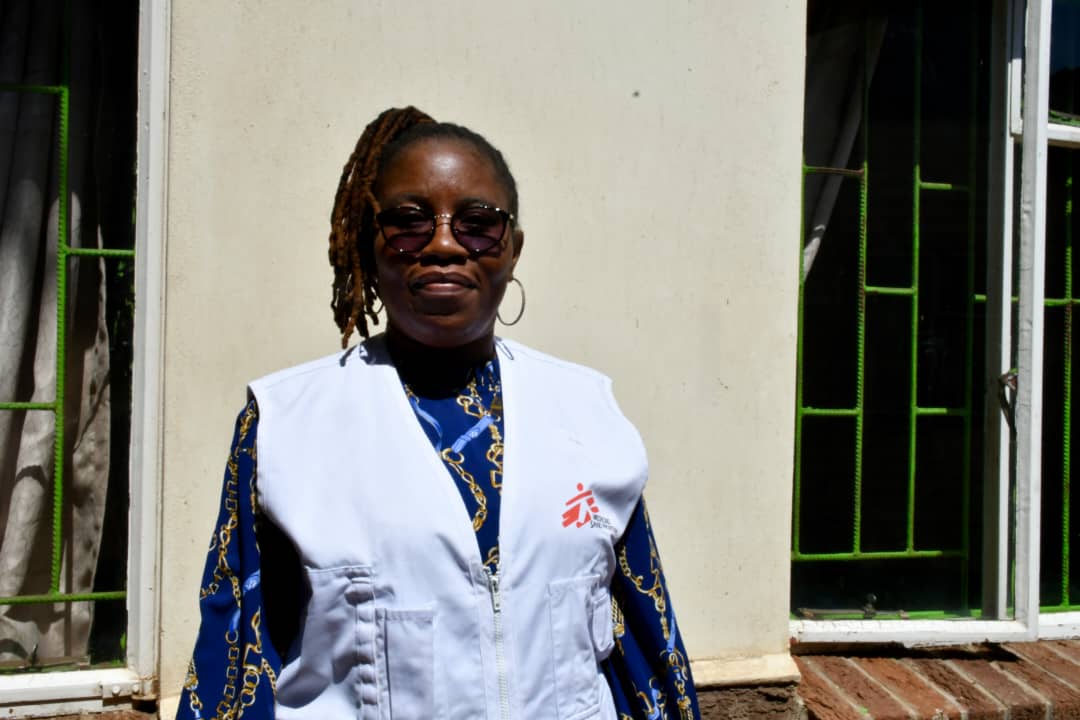
Rumbidzayi Zinyuke
Senior Health Reporter
As Zimbabwe continues to battle the rise in the rate of drug and substance use among young people, experts have underscored
the urgent need for a comprehensive and collaborative approach to address the corresponding increase in mental health
challenges.
According to statistics, over 1,3 million people in Zimbabwe suffer from mental disorders, with a significant portion linked to
the exponential rise in substance abuse.
On World Mental Health Day, commemorated on October 10, the country joined global efforts to raise awareness about mental
health issues and support those affected.
Médecins Sans Frontières (MSF) nursing team leader Ms Regina Magore, highlighted the importance of providing mental
health and psychosocial support to young people as part of strategies to combat the scourge.
“In Harare, MSF has been providing consultations for young people with mental health challenges, including acute stress,
anxiety, and depression,” she said.
“The team has noted an increase in the number of young people and adolescents seeking medical care and psychosocial support
in Mbare due to the consequences of substance and drug use in recent years.
“MSF is offering primary mental health care on common mental health disorders. Adolescents and young people requiring
further care are referred to central mental institutions.
“Some who might benefit from other partners with regards to rehabilitation, safety and child protection issues are referred to as
the need rises.”.
At least 28,4 percent of all mental health consultations done by MSF from 2021 to August 2024 were linked to substance use.
Some of the most common substances used by young people include cannabis, crystal meth, bronclear and other illegal
alcoholic beverages.
Ms Magore said the inappropriate use of substances could result in deteriorating social, physical, and mental health with
people who use drugs having a higher chance of engaging in risky behaviour, such as violence and unsafe sex.
“Mental health issues require a collaborative effort from different stakeholders that is a multi-sectoral approach. Fighting
stigma and discrimination is key,” she said.
“MSF calls for reducing stigma surrounding mental health issues and to promote health-seeking behaviours of adolescents and
young people in the communities.”



 Online Reporter