Online Reporter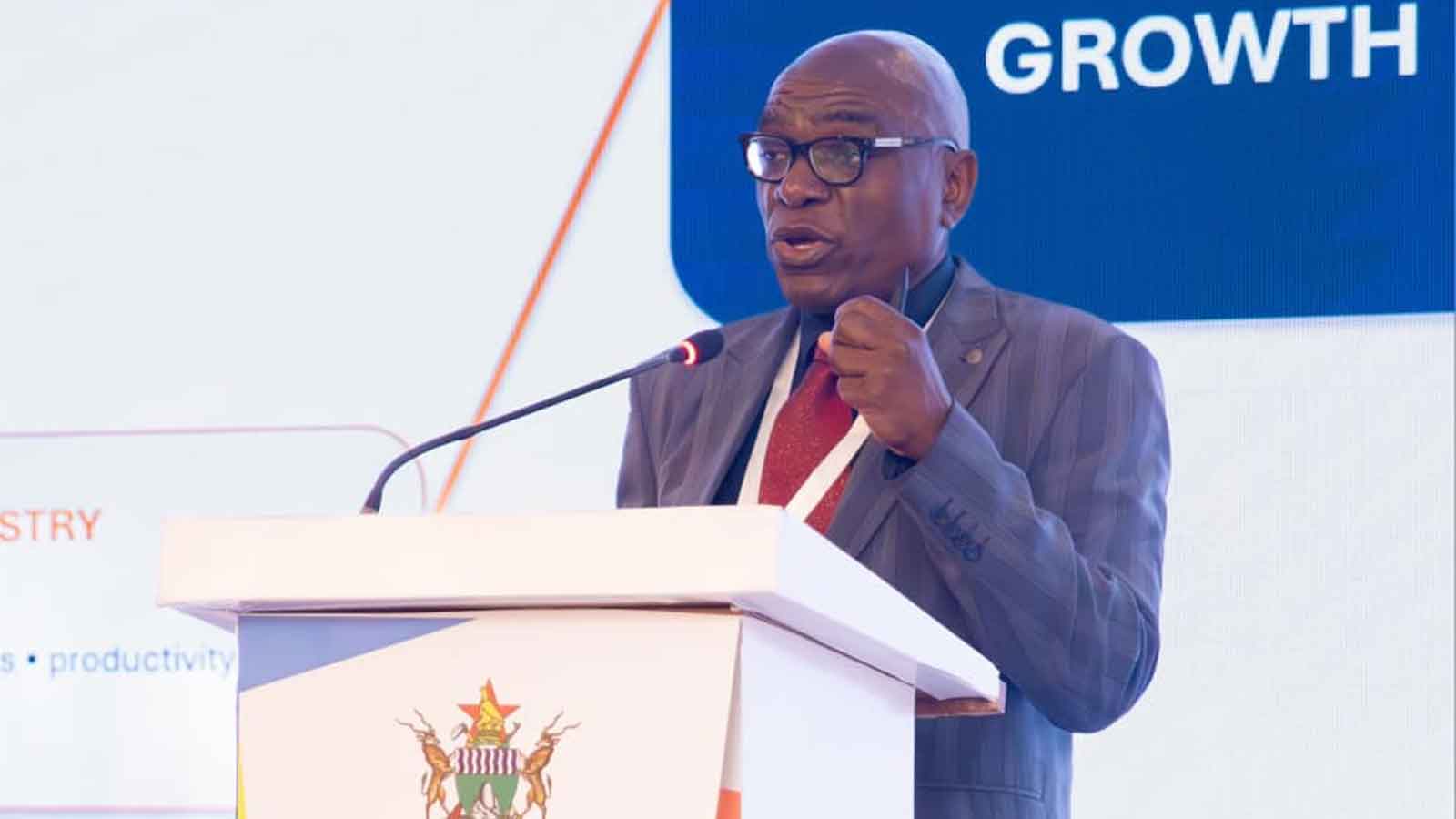
Theseus Mauruki Shambare in VICTORIA FALLS
THE Zimbabwe Tripartite Negotiating Forum must move beyond consensus-building and ensure that agreements reached through social dialogue translate into funded programmes, measurable results and tangible improvements in people’s lives, delegates heard on Monday.
The call was made at the TNF Global Summit underway in Victoria Falls, where social partners are discussing ways of strengthening inclusive growth, decent work, beneficiation and investment promotion.
Zimbabwe National Chamber of Commerce senior economist Misheck Ugaro said social dialogue could only be considered successful when commitments reached by Government, business and labour produced results on the ground.
“Consensus is the starting point, not the destination,” Mr Ugaro said.
He said the TNF had an important role in bridging policy discussions and implementation by bringing together Government, business and labour around clearly defined economic priorities.
Mr Ugaro proposed a Victoria Falls Dialogue-to-Delivery Compact, under which every major commitment would have a clearly identified owner, financing path, deadline, measurable outcome and mechanism for reporting progress.
He said the approach would help ensure that agreements reached through social dialogue did not remain policy statements without implementation.
“The economic transmission chain is deposits, finance to productive firms, investment, production, jobs and incomes,” Mr Ugaro said.
The proposed framework identifies five key delivery missions: productive finance, industrial competitiveness, productive employment, skills for industry and social protection.
It also proposes a delivery dashboard to track indicators such as investment, industrial capacity utilisation, productive credit, formal jobs, skills training and placement, SME formalisation and energy reliability.
Reserve Bank of Zimbabwe Deputy Governor Dr Innocent Matshe said financial-sector reforms were already being pursued to strengthen the flow of resources towards productive economic activity.
The central bank has reduced its Targeted Finance Facility rate from 20 percent to 15 percent, with the maximum all-in on-lending rate capped at 25 percent for productive sectors.
As of June 30, 70,92 percent of bank loans were directed towards productive sectors, including agriculture, manufacturing, commercial activity and distribution.
Dr Matshe said the financial sector had to progressively move from mobilising savings towards providing the capital required for investment and economic expansion.
“Successful transition to mono-currency strengthens monetary policy transmission, macroeconomic stability, financial sector confidence, domestic savings and investment,” he said.
University of Zimbabwe Business School director Professor Albert Makochekanwa said policy implementation would also be critical if regional integration was to generate meaningful economic opportunities.
He said the African Continental Free Trade Area offered a potential market of about 1,3 billion people, but trade integration alone would not automatically produce decent jobs or inclusive growth.
“Trade integration does not automatically create decent jobs,” Prof Makochekanwa said.
He said businesses needed reliable infrastructure, affordable finance, predictable trade procedures and technical capabilities to take advantage of expanded African markets.
The summit is therefore placing emphasis on connecting dialogue with implementation, with social partners expected to identify practical measures that can convert agreements into investment, production, employment and improved livelihoods.
For the TNF, the emerging message from the discussions is that the value of social dialogue will increasingly be measured not only by the agreements reached, but by what those agreements deliver to the economy and citizens.