

 Online Reporter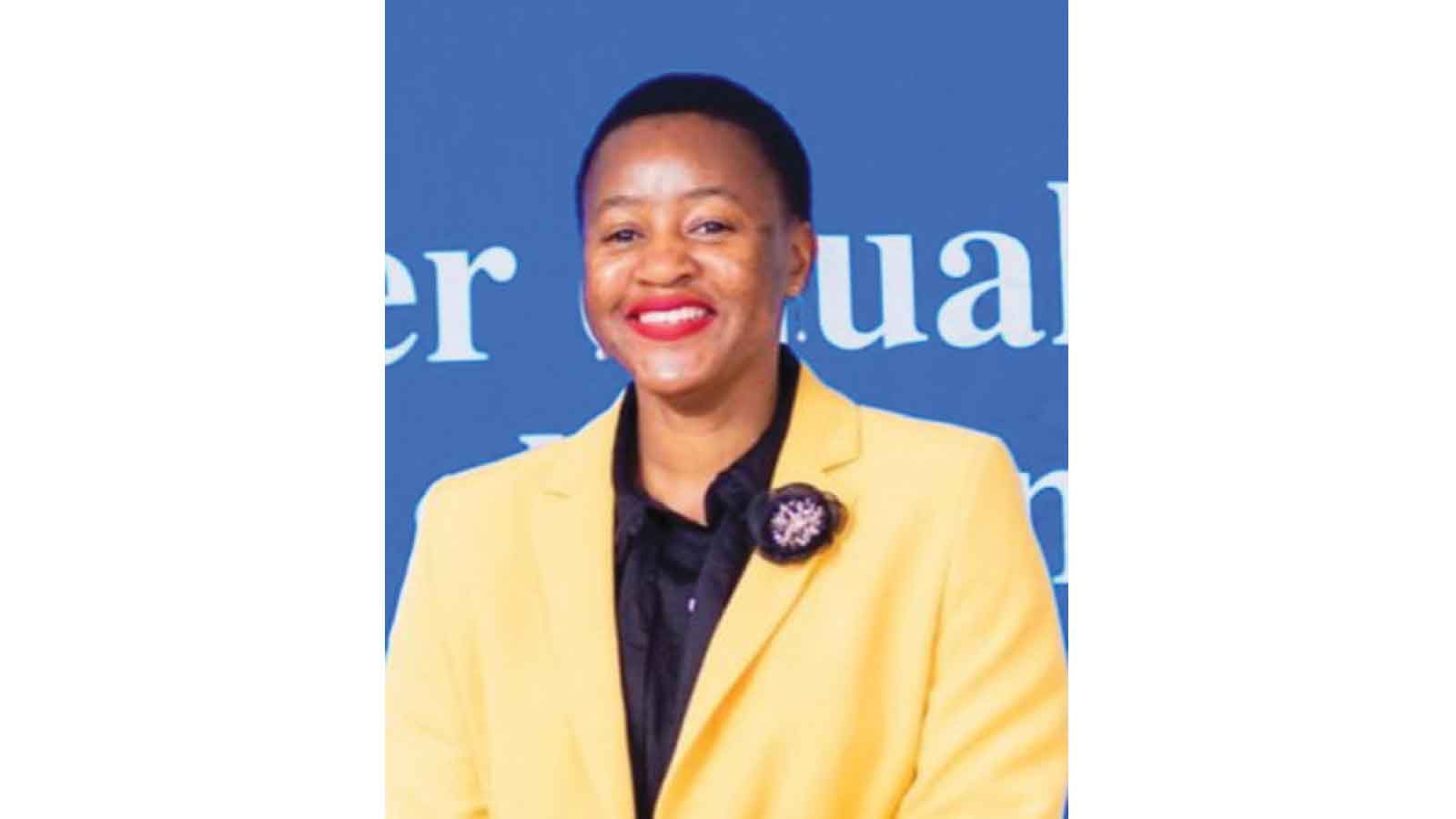
Gibson Mhaka-Bulawayo Bureau
THE Fourth National Education Summit Zimbabwe (NESZ) opened in Bulawayo yesterday with Government calling for urgent action to translate policies into practical solutions that improve classrooms, empower teachers and protect vulnerable learners.
The four-day summit, which is expected to be officially opened by President Mnangagwa, has attracted about 3 000 delegates drawn from Government ministries, the education sector, development partners, financiers, the private sector and international organisations.
Running under the theme, “From Policy to Practice: Driving Innovation and Investment in Zimbabwe’s Education System,” the summit is organised by Action for Empowerment Zimbabwe (AEZ) in partnership with Business Diary and the Ministry of Primary and Secondary Education.
Businessman and chairperson of the Land Tenure Implementation Committee, Dr Kudakwashe Tagwirei, is among key speakers expected to address delegates during the summit.
Delivering the opening address, Primary and Secondary Education Deputy Minister Dr Angeline Gata said Zimbabwe’s education system required stronger partnerships, innovation and investment to achieve meaningful transformation.
“Education is not just classroom teaching or intellectual development alone. It involves quite a lot. It involves teacher capacity development, learner welfare, infrastructure, ICT and our school business units,” she said.
“It involves the skills pathway that we are pursuing through the heritage-based curriculum. This kind of summit brings everybody together that is financial partners, technical partners, innovators and stakeholders who can help improve the quality of education.”
Dr Gata challenged private sector players and development partners to actively participate in strengthening the country’s education system.
“We are inviting all stakeholders in Zimbabwe, all private players, to come into the education sector and find their own component, be it infrastructure, ICT provision, teacher development, school business units or systems that improve accountability and quality education,” she said.
Dr Gata said Zimbabwe had already made progress in expanding access to education and modernising the curriculum, but implementation remained the biggest challenge.
“The real challenge before us is no longer only about policy formulation, but implementation. The key question before us is: How do we collectively move from policy commitments to real impact in classrooms and communities?” she said.
“Education remains the single greatest investment any nation can make in its future. Every classroom we build, every teacher we empower, every learner we protect and every innovation we embrace becomes part of the foundation upon which Zimbabwe’s future prosperity will stand.”
Teacher development and continuous professional growth emerged as central themes during the opening session, with Dr Gata saying educators must be prepared to respond to a rapidly changing world driven by technology, artificial intelligence and global competition.
“Our teachers remain the backbone of our education system. Retooling and reskilling educators is no longer an option, it is essential,” she said.
“We must invest in digital literacy, modern pedagogical approaches, innovation-driven learning, technical and vocational competencies and learner-centred education systems.”
She urged teachers to keep pace with technological advancements to effectively engage learners from a digitally-driven generation, while also stressing the need to improve teacher welfare, morale and professional recognition.
The Deputy Minister also called for stronger child protection systems and greater support for vulnerable learners and children living with disabilities.
“We must continue strengthening child protection systems, mental health support, safeguarding mechanisms, disability inclusion and support systems for vulnerable learners,” she said.
Dr Gata made a strong appeal for increased national focus on autism and specialised learning support, saying Zimbabwe must move decisively towards inclusive education.
“Inclusive education means every learner matters, whether a child is in an urban school or a rural school, whether they come from privilege or poverty, whether they live with disability or not. Every child deserves dignity, opportunity and hope,” she said.
She further stressed the importance of accountability and transparency within the education sector to ensure resources reach intended beneficiaries.
“We must ensure that resources allocated to education reach intended beneficiaries efficiently, transparently and fairly. Every dollar invested in education must produce measurable outcomes,” she said.
“This requires stronger monitoring systems, improved school governance, transparent procurement processes, ethical leadership and stronger partnerships between Government, communities, churches, development partners and the private sector.”



