Online Reporter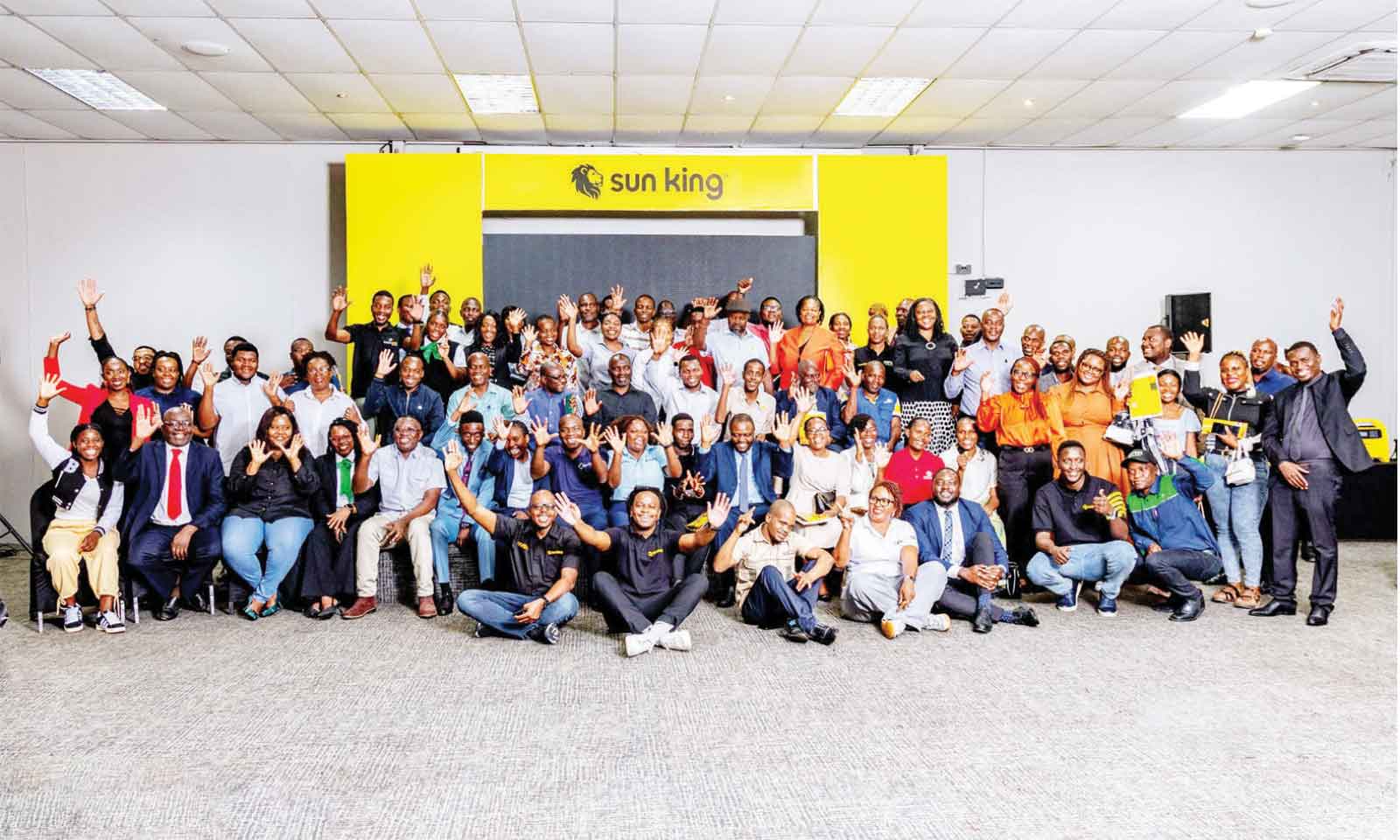
Takudzwa Mangrozah
Zimpapers Reporter
Off-grid solar energy company Sun King has reinforced its commitment to the Zimbabwean market following the launch of its PowerHub system and a suite of new solar products aimed at expanding energy access across the country.
The launch, held during a partner and stakeholder engagement conference, brought together key players from across the energy sector, including distributors, financial institutions and strategic partners such as Solid Visions Technologies, Virl Microfinance, Ekhaya Brands, Natfort Energy and Lanforce.
The event served as a platform to strengthen collaboration in Zimbabwe, as demand for reliable and affordable energy solutions continues to grow.
Sun King’s general manager for partnerships and business development for Southern Africa Mr Oscar Njuguna said the company’s expansion into Zimbabwe is driven by the need to address persistent energy challenges affecting households and businesses.
“The biggest ethos for Sun King is to provide energy for underserved communities. Across Africa, we have millions of homes that do not have access to the grid, or even if they do, it may not be reliable or affordable,” he said.
Zimbabwe’s energy landscape, characterised by periodic power shortages and limited grid access in some areas, presents an opportunity for decentralised solar solutions to bridge the gap.
Sun King is positioning itself to complement Government efforts in rural electrification by working closely with local partners and industry players.
“We are seeking to work with industry players and be part of initiatives that support the Government’s electrification programmes, while demonstrating that our solutions can meet the country’s energy needs,” he said.
The highlight of the launch was the introduction of the PowerHub, a scalable inverter-based solar and energy storage system designed for residential, commercial and light industrial use.
With a capacity of up to 30 kilowatts, the system is capable of powering large homes, small businesses and institutional operations, marking a shift from the company’s traditional focus on basic solar solutions for low-income households.
The technology has already been deployed successfully to other African markets, with more than 2 000 inverter systems installed in schools, and under government-supported programmes, highlighting its reliability and scalability.
“We don’t fully utilise the most available natural resource in Africa, which is the sun. The PowerHub allows households and businesses to harness that resource for reliable power,” said Mr Njuguna.
Beyond the PowerHub, the company also showcased a range of upgraded products, including the HomePlus and HomePlus Pro systems, as well as portable solutions such as the PowerPlay Pro, all designed to meet varying consumer needs.
A key feature of Sun King’s model is its pay-ss-you-go (PAYG) technology, which
allows customers to access solar systems through flexible payment plans, making clean energy more accessible to low-income earners.
Through its partnerships in Zimbabwe, the company has also supported the growth of local enterprises by providing technical training, marketing support and financial mechanisms such as inventory funding to ease liquidity challenges.
The company’s work goes beyond energy provision, delivering tangible community benefits by enabling access to reliable, clean and affordable power for households while supporting productivity and business growth across sectors.
By strengthening its value chain and empowering distribution partners, Sun King is also contributing to job creation and the expansion of energy access in underserved communities.
Looking ahead, the company has outlined an ambitious road map anchored in its 2026 partner and market strategy, which includes scaling up deployment of its solar solutions, deepening partnerships and enhancing digital marketing efforts to increase product uptake.
As Zimbabwe continues to explore sustainable energy pathways, the expansion of companies like Sun King signals a growing shift towards decentralised, renewable energy solutions capable of supporting both household needs and economic development.