Online Reporter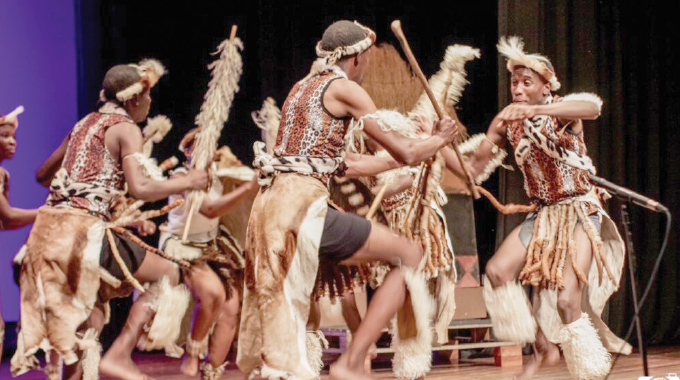
Langalakhe Mabena, Zimpapers Arts and Entertainment Hub
Sunduza Dance Theatre, a celebrated ensemble from Bulawayo, is set to celebrate 40 years in the industry in style this year as they are working on different initiatives that will cement their hold in the arts — proving how they survived for the past four decades.
The group, which was formed in 1985 — five years after Zimbabwe attained its independence, has contributed a lot to the local arts sector as they are among pioneering groups to export Zimbabwean culture and portray it truthfully to the rest of the world through tours.
As they prepare their celebrations slated for 1 August at Alliance Française de Bulawayo, Sunduza is working on different productions, including a climate change-inspired production as well as a musical album where they will collaborate with former Sunduza members, Jeys Marabini, Elijah Mbambo and Simon Mbambo.
Other creatives that Sunduza will collaborate with on the album include the UK-based group SOSA-XA, founded by the late Simon Banda, a founding member of Sunduza, his son and Mandla Sibanda.
Charles “Mahlaba” Banda, the director of Sunduza and son of the group’s founder, Simon, expressed pride in their legacy noting that they were one of the pioneering groups to successfully fuse theatre and dance into a collective production, making it a fashionable and influential art form.
“Sunduza has been instrumental in the arts industry and we are the first group and Black Umfolosi, to take our arts and culture overseas,” Mahlaba said.
“For the past four decades, the journey has been amazing for the group as we have achieved a lot. In its infancy, the group started as a male group, specialising in imbube/acapella only. Along the way, Sunduza met a promoter by the name Philip Weiss, who paved the way for the group’s overseas tours. It was during this time that the group was turned into a music dance theatre company and incorporated women,” he said.
The inclusion of women in the group distinguished Sunduza as a unique outstanding ensemble as they brought a different touch and feel in packaging arts products.
The exposure they got in Europe would give an advantage to Sunduza to incorporate and fuse African and European artistic techniques and dances to create meaningful productions.
“With Sunduza now comprising both males and females, the group gained even more popularity.
The unique composition of the ensemble attracted greater attention, leading to more tours and allowing Sunduza to headline renowned global theatre venues.
“I remember, there was an article that was done by an Edinburg paper in the United Kingdom after Sunduza’s performance with a headline — ‘Forget about Michael Jackson’. This was because of breakdance skills that were fused with our African moves on the show,” said Mahlaba.
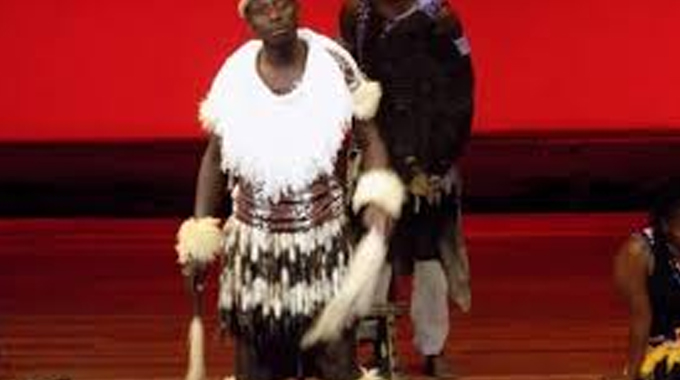
A former footballer who swapped his football boots for dancing shoes, Mahlaba expressed immense pride in continuing his father’s legacy.
“My late legendary father was the visionary of the group and together with others, they managed to keep it going from its start. After his passing, I then inherited his works and thanks to the Sunduza members, who gave me a chance to lead them, at the same time, I learnt a lot from them in keeping the legacy alive.”
Mahlaba remains dedicated to keeping Sunduza’s spirit alive and ensuring the group’s impact endures for future generations.
“Simon Banda (his dad) was a role model to me. He inspired me as well as many others. I know wherever he is, his spirit is with me and he is proud that I’ve managed to keep the group going since 2012.
With the support of Philip Weiss, who has been promoting the group since 1985, we’ve successfully revived the productions Sunduza toured with. We’ve brought those shows to local audiences, teaching them about the importance of our nation’s history,” Mahlaba said.
The current crop of Sunduza has re-imagined and curated the following plays by the old cast of Sunduza, including
The Adventures of Robert Moffat taken from the national archives of Zimbabwe and Injabulo, a 2000 Children’s production. Other plays that they have reproduced are The Voices from the Rocks taken from a book by the late
Professor Terrence Ranger and The Other Cecil, which is a story of the lion that was killed in the Hwange National Park.


 Bongani Ndlovu