Online Reporter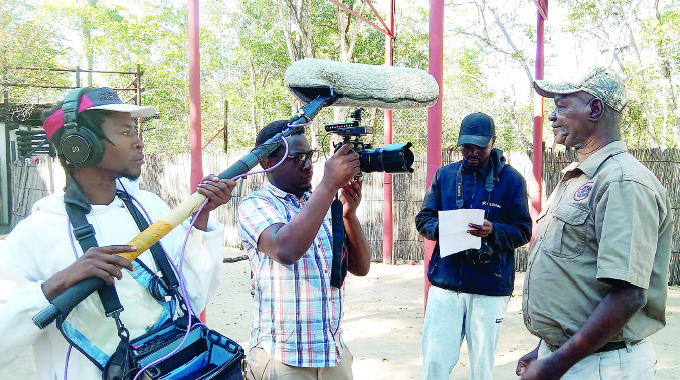
Mbulelo Mpofu, Zimpapers Arts and Entertainment Hub
UNDER the wide skies of Hwange District in Matabeleland North Province, a story is about to be told, not on paper, but in moving pictures that capture the heartbeat of the African wilderness and the struggles of the people who share it.
On 23 August, the Soft Foot Alliance in Mabale will host the premiere of Living in Harmony, a stirring documentary by director and conservationist Survivor Nyasulu. Far from just another wildlife film, it is an unflinching exploration of one of Zimbabwe’s most complex challenges, the tense, often dangerous coexistence between humans and the wild giants of Hwange National Park.
For Nyasulu, this is more than just a creative project. It is a deeply personal mission. His love for conservation began in childhood, when a Grade Six trip to the Painted Dog Conservation (PDC) bush camp turned five days of game drives and environmental lessons into a lifelong calling.
“It changed my life. From that day, I knew I wanted to be part of protecting this place,” he said.
In 2015, he traded curiosity for courage, becoming a parks ranger. The reality was harsh. Days were spent in the wild, nights under the stars and danger was a constant companion.
“We’d recover five to 10 wire snares daily. Imagine 10 animals trapped, maimed, or killed just in one day,” he said, highlighting the severe impact of poaching.
It is these truths that shape Living in Harmony. The documentary takes viewers deep into the causes of human-wildlife conflict, from villages that sprawl into elephant corridors, to farms struggling against crop-raiding herds, to the bloody shadow of poaching.
Nyasulu’s goal is clear: to raise awareness about the consequences of these conflicts and promote understanding of the complexities involved in coexisting with wildlife.
The film shows how human expansion slices through animal habitats, turning age-old migration routes into danger zones. It captures the tension between feeding a family and preserving the wilderness. Agricultural land grows, but so do the risks, destroyed fields, economic losses and resentment towards the very creatures Zimbabwe is famous for.
Nyasulu underscored the necessity of finding sustainable solutions. “We must show how agricultural practices impact wildlife habitats.”
He also spotlights another battlefront: the illegal wildlife trade. Here, Living in Harmony puts the viewer in the boots of rangers risking their lives to confront poachers, while grappling with the knowledge that the people most affected by these conflicts are often left out of the solutions.
Nyasulu believes that awareness and education are crucial in combating these threats.
“The biggest gap? Excluding locals from decisions. They bear the costs of conflict, crop raids, lost cattle, yet rarely share in tourism revenue or policymaking,” he argued.
The film’s heart lies in the voices of the people, chiefs, village heads, farmers, and herders, who offer both anger and wisdom. It honours the old traditions that once balanced human needs with nature’s rhythms, and asks if they can guide us again.
“Hearing this message from a trusted leader helps foster respect and appreciation among audiences and local people alike.”
Living in Harmony does not stop at pointing out problems. It seeks answers. It pulls in conservationists, Government officials, and NGOs to talk solutions: better livestock management, fuel-efficient stoves, community tourism, and shared benefits.
“I want this documentary to be an eye-opener. It should spark honest dialogue, and give locals a platform to share their experiences and ideas about living alongside wildlife,” he said.
The stories Nyasulu has collected are vivid. He recalls interviews with a farmer who woke up to find elephants in his maize field. A woman who lost her only cow to a lion. Yet even in loss, many still express admiration for the animals, a complicated love born of centuries of coexistence.
“These stories underscore the serious challenges communities face living alongside wildlife,” he shared.
The documentary will also showcase programmes like those implemented by the Soft Foot Alliance, which include improved livestock management and fuel-efficient cooking stoves to minimise encounters with wildlife.
For co-producer Matesu Dube, better known as the director of Umkhathi Theatre Works, the project was a leap into new creative territory.
“My role was line producer, organising all the processes from pre-production, production and post-production. I was supervising all the processes. It was a good learning curve for me as I was out of my comfort zone – theatre.
“I was putting into practice what I learnt at Lupane State University. My take away is, sometimes, you must follow the book to achieve what you’re working on,” Dube said.
As climate change and habitat loss quicken their pace, Nyasulu’s voice grows more urgent.
“I started with nothing but passion. If a bush camp kid like me can lead this fight, anyone can.”
The message is clear: saving wildlife starts with empowering the people who live beside it.
It is, in every sense, a film that demands to be seen, because its subject is not just about animals or people, but about the shared future of both.
The documentary aims to serve as an educational tool that promotes conflict mitigation strategies and Nyasulu hopes it will inspire community-based initiatives that can enhance conservation efforts. – Follow on X @MbuleloMpofu