Online Reporter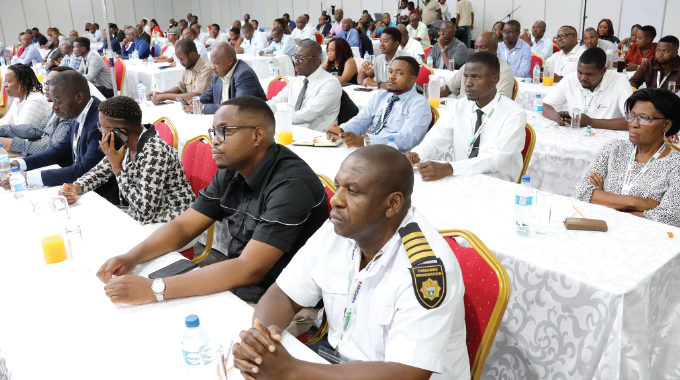
Sikhulekelani Moyo, Zimpapers Business Hub
DISCUSSIONS around sustainability took centre stage at the Africa Infrastructure and Built Environment Confex (AfriConfex), yesterday, amid calls to take green initiatives seriously for a better future.
Running under the theme: Smart Moves: Powering Zimbabwe’s Infrastructure Evolution”, AfriConfex was co-organised by the Zimbabwe International Trade Fair (ZITF) Company, the Ministry of Transport and Infrastructure Development, and the Zimbabwe Construction Industry Association.
In an interview after the tour of the exhibition stands at the Zimbabwe International Exhibition Centre and Smart City in Bulawayo, Transport and Infrastructure Development Minister Felix Mhona said this year’s exhibitions resonated well with the theme, stressing that sustainability was key for the development of the country.

Minister Mhona emphasised the need to take sustainability seriously, saying that contractors should take into consideration climate change and other sustainability issues.
“When we talk of infrastructure, one should take cognisance of the issues of resilience, even the advent of the weather patterns that we have in this country.”
“As we rehabilitate our infrastructure, like roads or general buildings, we need to take note of the issues of sustainability.
“I’m happy we are putting that together, with Government ministries and departments working closely as a whole of Government approach.”
As the effects of climate change become more visible and costlier, a growing coalition of experts, Government agencies, and development partners is pushing for a radical rethink of how the country builds.
The aim is to shift towards a greener, more sustainable built environment that conserves resources, protects ecosystems, and supports healthier, climate-resilient communities.
In his comment, Asphalt managing director Eng Francis Mangwendeza said the sector had adopted climate-smart initiatives with the reuse of some of the material in the construction sector.
He said on road rehabilitation, they reused quarries through different initiatives, which reduced the need for new quarry extraction.
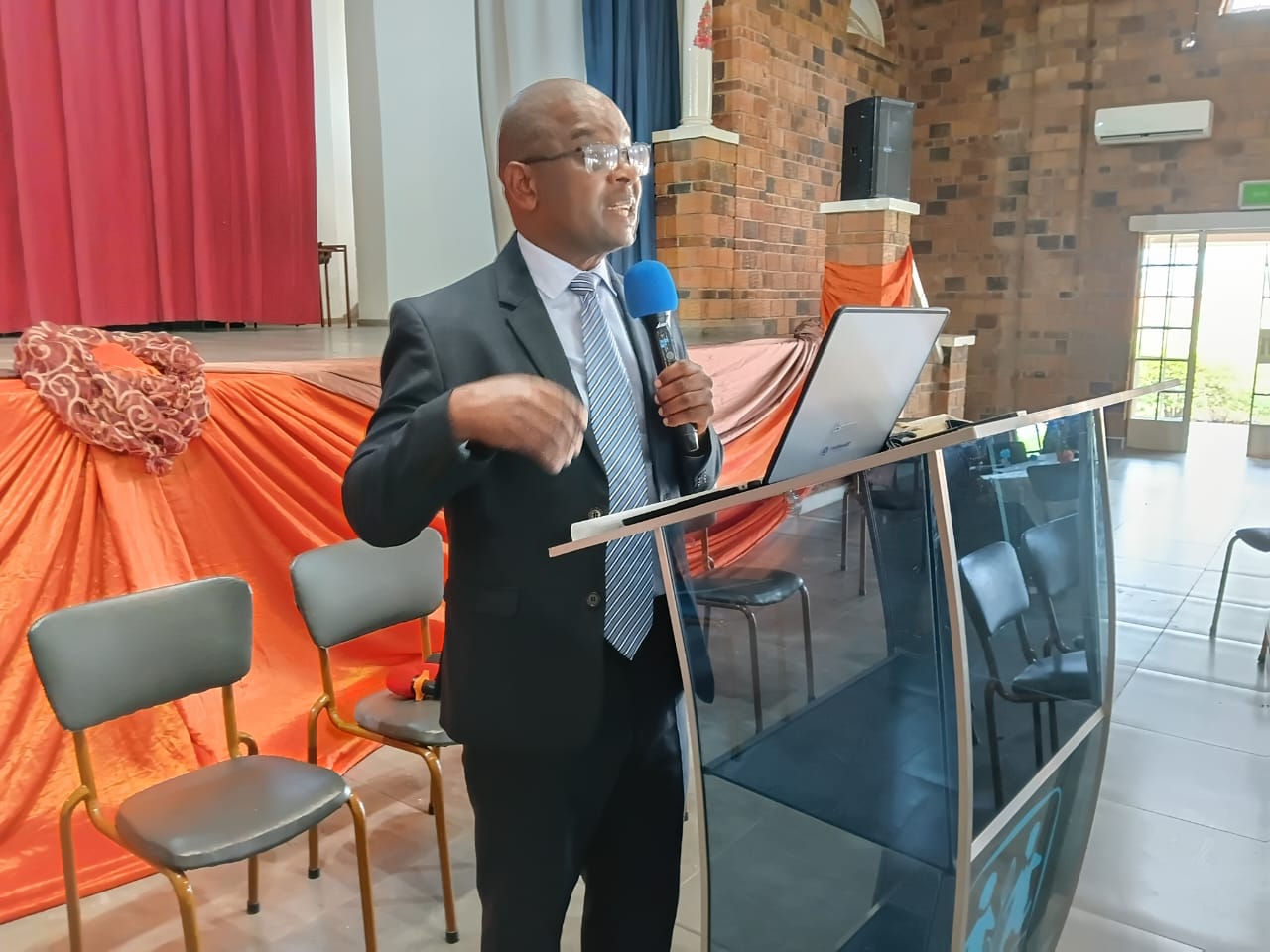
In his presentation during the AfriConfex Conference, Green Building Council of Zimbabwe president Dr Mike Juru said sustainability and corporate responsibility were not mere discussions but determined whether the Vision 2030 would be reached with a habitable Zimbabwe.
He said the built environment emitted more than 40 percent of carbon, which he said was a call to action.
This brought investment opportunities, he said, where investors could find solutions to climate issues.
“Did you know that the built environment is responsible for 40 percent of carbon emissions? And yet at the same time, we pay a huge service to that benefit.
“You’ll notice that carbon emissions actually contribute towards climate change, and here we are working on engineering to reverse the effects of climate change,” he said.
Dr Juru added that much of the development still extracts more than it regenerates.
“If we fail to balance these relationships, we are not just building unsustainably, but we are building fragility into our future.”
“And the solution to all this that we talk about is green building. A green building is a solution to address issues of climate change and its impact.
“But you all wonder what a green building is. Green buildings are structures that are designed, built, and operated to minimise environmental impact, optimise energy, water use, improve occupancy, and reduce carbon emissions across their full life cycle.
“And this brings us to the gist of my presentation of the blueprint.”
“Green buildings offer energy and resource efficiency, which is essential for cutting emissions.
“They also play a crucial role in water conservation. As you may know, future global conflicts could revolve around access to fresh water.