Online Reporter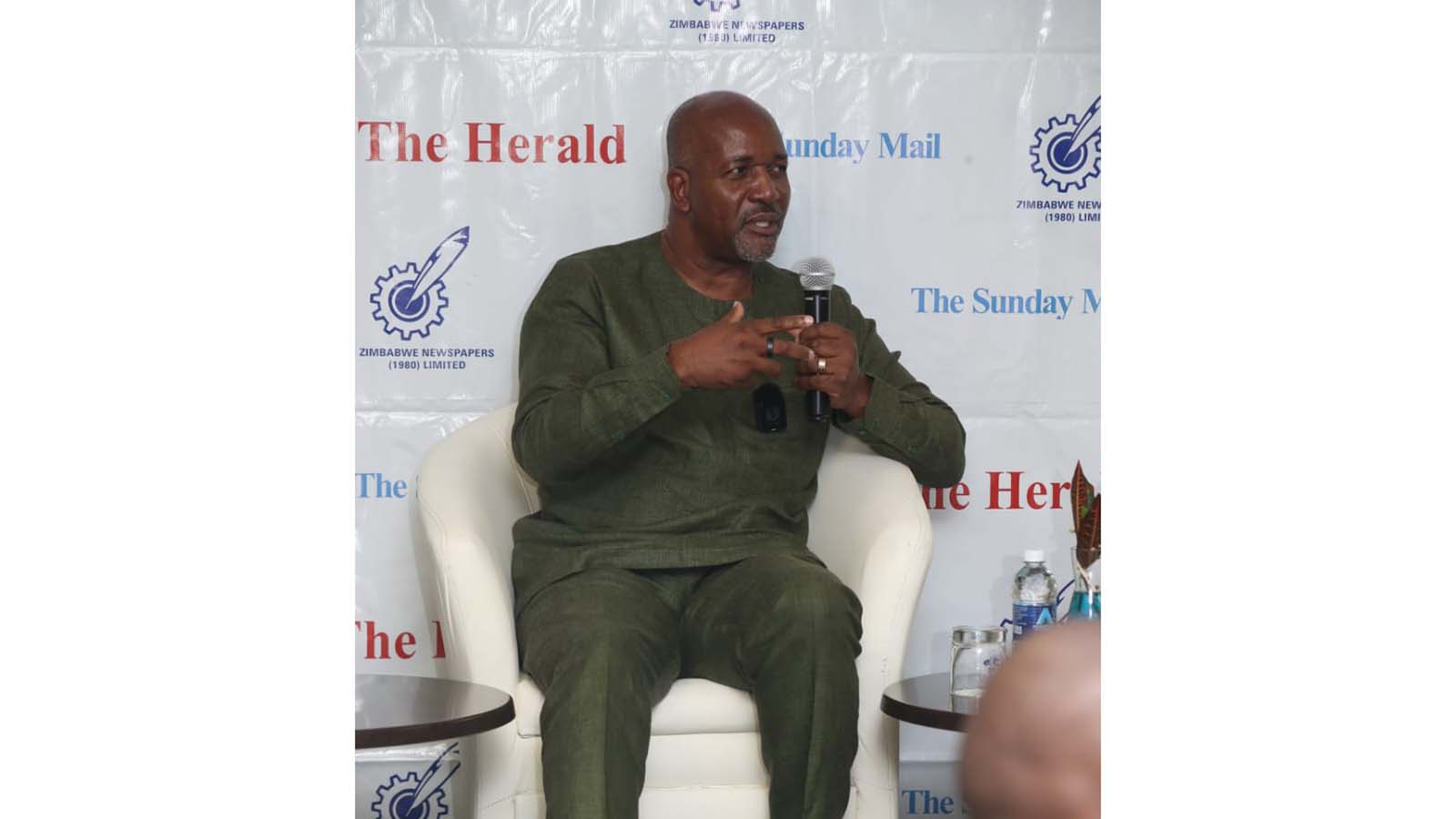
Nelson Gahadza
Business leader Mr Shingai Mutasa has challenged Zimbabwe’s formal corporate sector to realign with small-to-medium enterprises (SMEs), arguing that sustainable economic growth will only come from recognising and integrating the sector.
Speaking at the Zimpapers public lecture this morning in Harare, Mr Mutasa said the long-held distinction between formal and informal sectors was both misleading and counterproductive.
“There’s nothing informal about most of these societies. This is where real business is happening in our country. This is where the real economy works,” he said.
Mr Mutasa, the founder and group chief executive officer of Masawara, which has interests in Zimnat, Cresta Hotels, Joina City and Sable Chemicals, said policymakers and corporates must shift their thinking and begin building institutions around existing SME activity rather than attempting to replace or ignore it.
“To me, this is the real economy,” he said. “It’s a young man running a factory, a woman trading agricultural produce on the roadside. These are structured businesses. Our job is to build institutions around them and support them.”
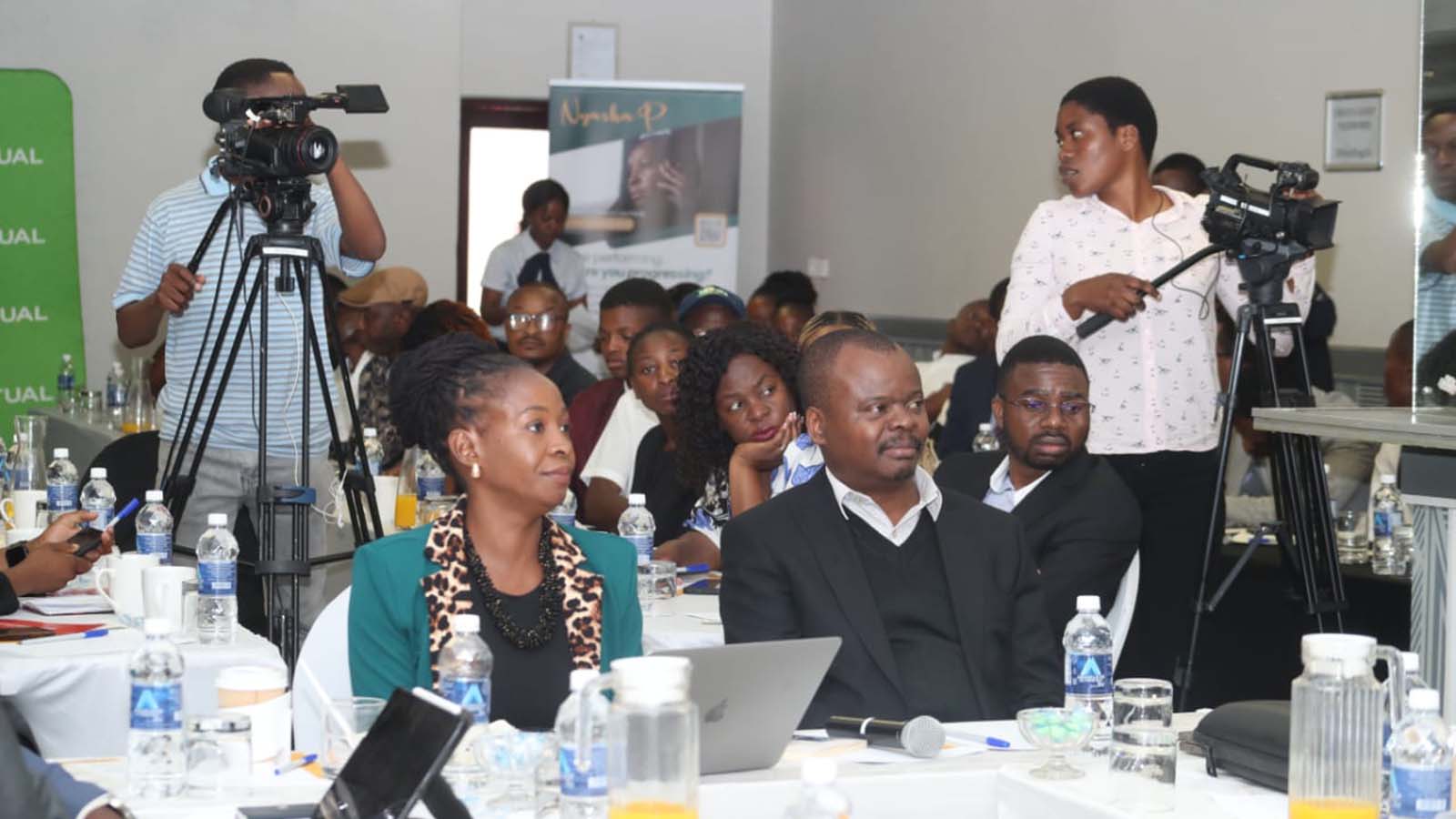
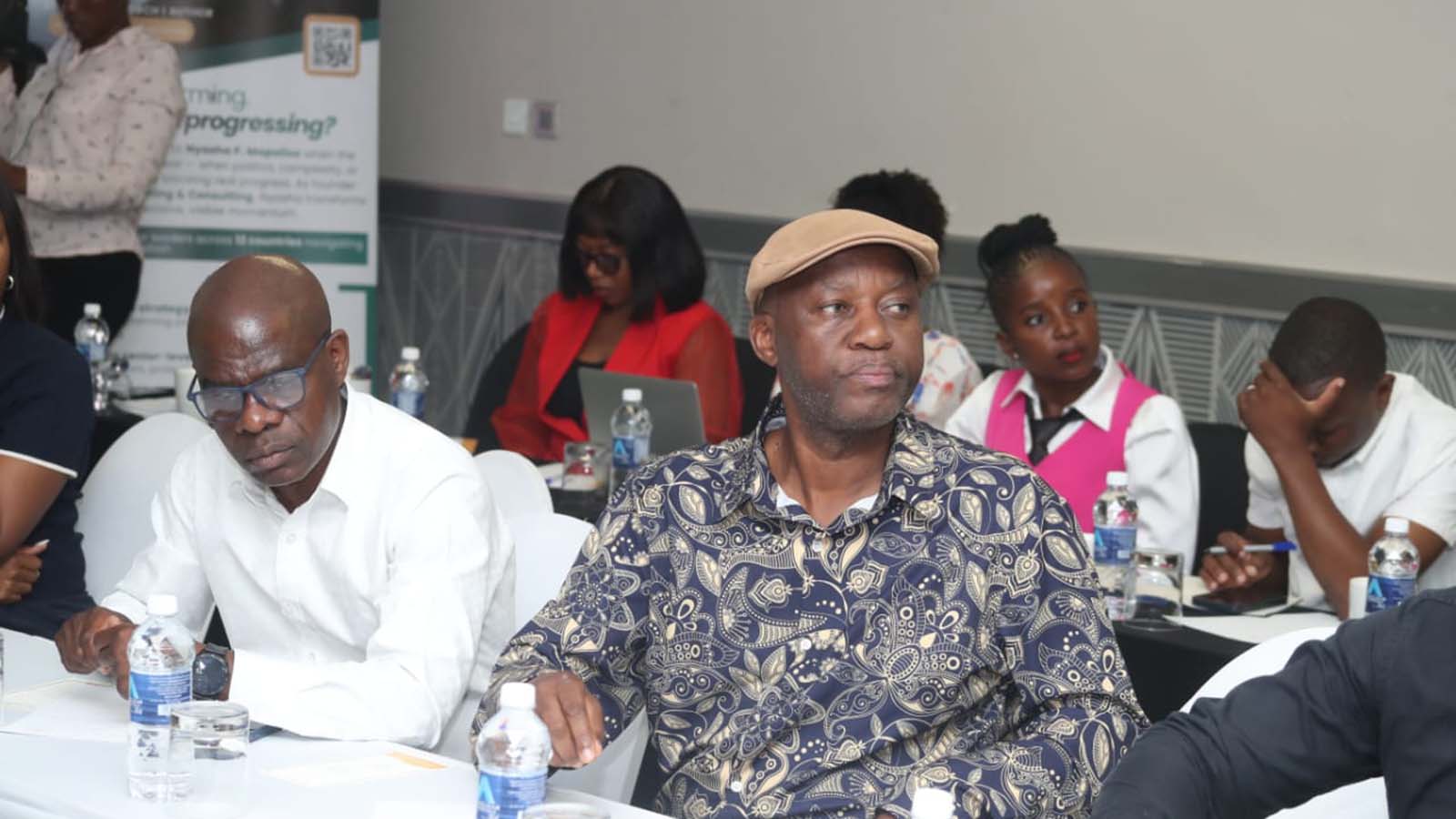
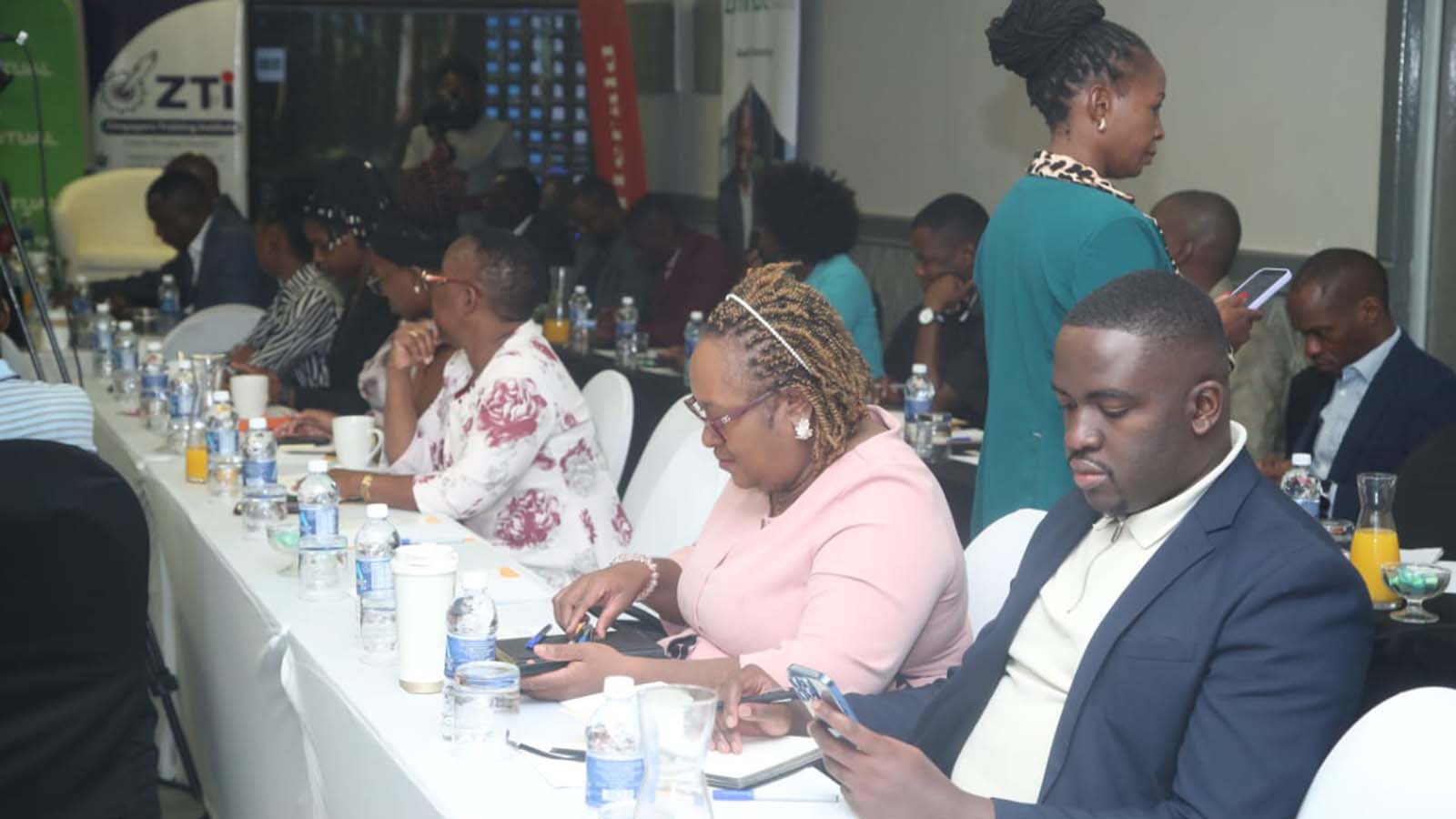
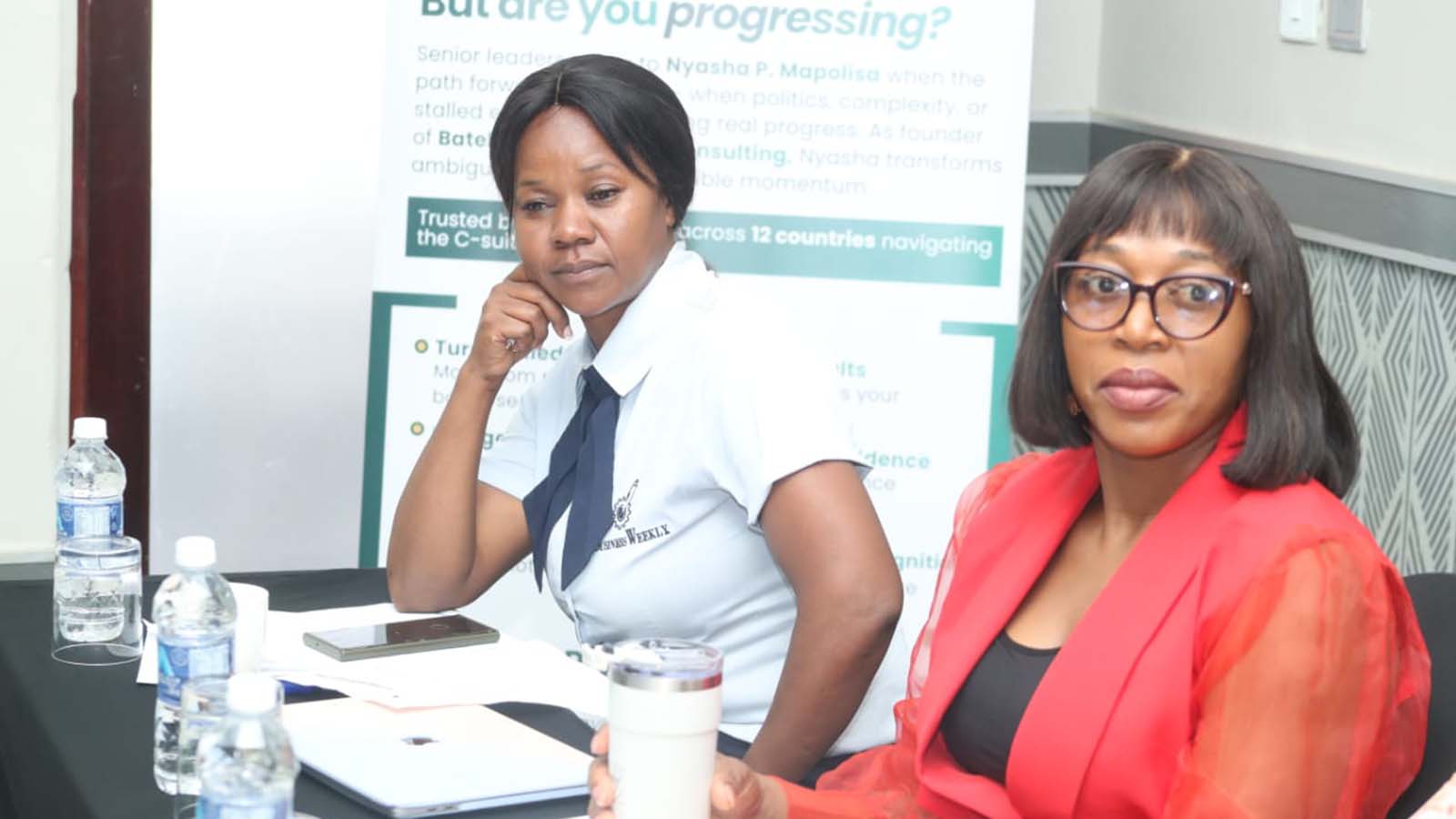
The Zimpapers public lecture is being held under the theme ‘Beyond the Individual: From an Economy of Entrepreneurs to an Economy of Institutions’.
Mr Mutasa said Zimbabwe has the capacity to build strong institutions, dismissing the notion that institutional development must be learned externally.
“We had institutions that functioned well. We governed, organised and sustained ourselves long before external systems were implemented,” he said. “We must try to reinvent that.”
He argued that the success of global economic powers is not rooted primarily in capital or technology, but in a strong sense of identity and belief.
“It is not capital, neither is it technology or even policy, but a strong sense of self-belief in their vision, in their leadership and in themselves. That is what creates sustainable and successful systems,” he said.
Drawing comparisons with countries such as China, South Korea, Dubai and the United States, Mr Mutasa said Zimbabwe must also look inward and rebuild confidence in its own systems and people.
“I get the feeling that we really don’t believe in ourselves as Africans, and as Zimbabweans in particular. Until you truly believe, you cannot win,” he said.
Related Stories:
“Strong vision key to overcoming comparison culture in small businesses”
Central to his argument was the need to discard what he described as limiting and “disparaging” terminology, particularly the widespread use of the term “informal sector”.
“I hope that one day we will remove that word from our language. There’s nothing informal about it. It is structured, it is deliberate, and it is where economic activity is concentrated,” he said.
Mr Mutasa said many SMEs operate with clear strategies, including location decisions driven by market logic.
“Have you ever wondered why traders locate themselves where they do? It’s not by accident. They have thought about it and decided that is where they will maximise value,” he said.
He added that transitioning from individual entrepreneurship to institutional strength is possible but requires deliberate effort and long-term vision.
“It is very possible for some of us to migrate from entrepreneurs to institutions. I am still on that journey myself. It is not easy, but it must be done if we are to build a nation of enduring enterprises,” he said.
Mr Mutasa also stressed the importance of language and mindset in shaping economic outcomes, arguing that how societies describe themselves influences their ability to compete globally.
“Language matters. It shapes how we see ourselves and how we act. The people we compete against have a strong sense of identity, pride and belief. We must build the same,” he said.
“The event was proudly sponsored by Old Mutual Zimbabwe, Minerva, and Zimnat.”