

 Peter Tanyanyiwa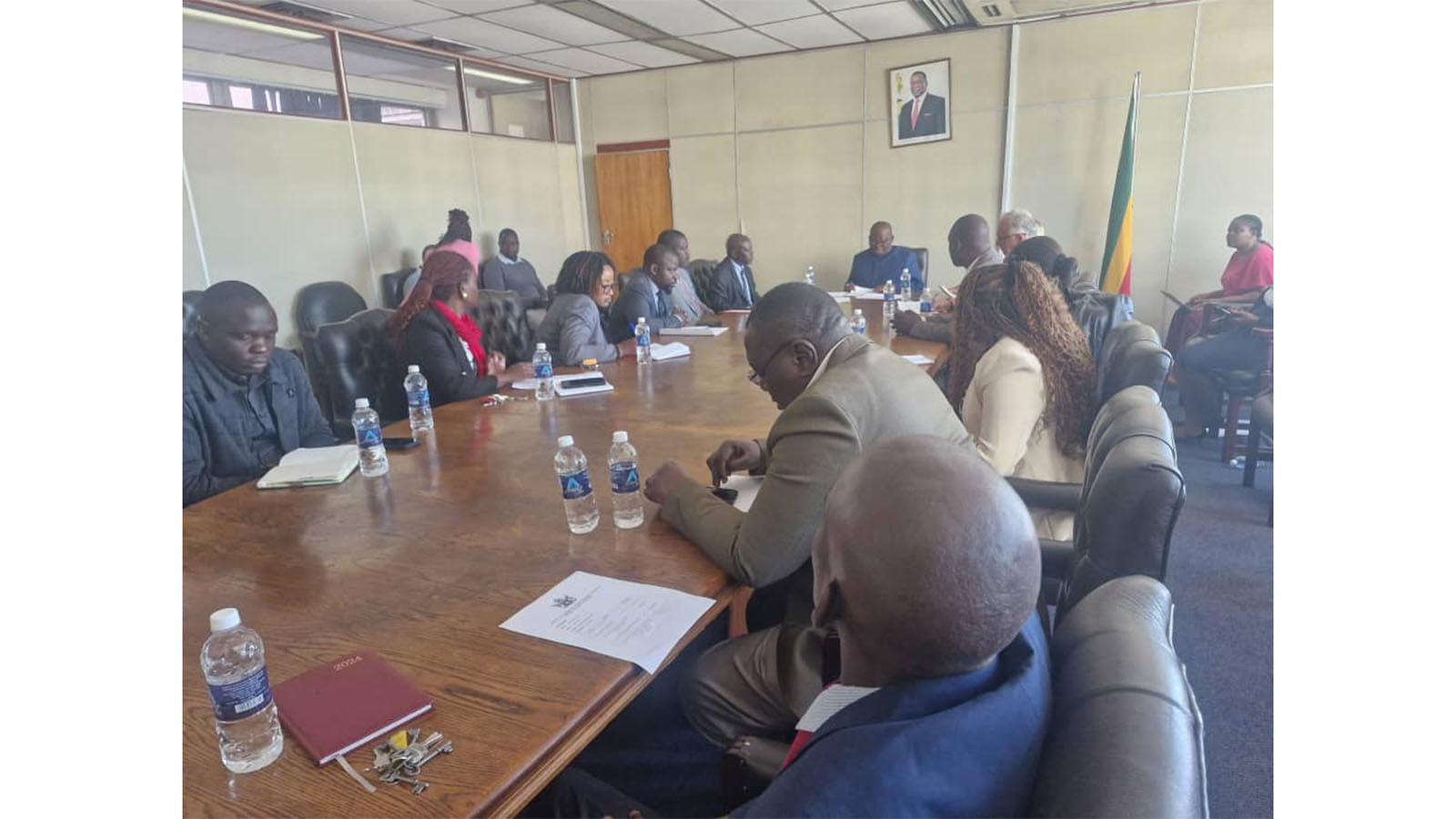
Peter Tanyanyiwa
Herald Correspondent
HARARE Metropolitan Province on Monday hosted a high-level courtesy call and exchange meeting with a visiting Swedish delegation at the John Boyne Building, marking a significant milestone in Zimbabwe’s quest for sustainable waste management and smart city development.
The event, attended by senior government officials, local authorities, the Swedish Ambassador to Zimbabwe, and key stakeholders in the waste management sector, was the official launch of a week-long exchange visit by experts from Gästrike Återvinnare, a leading Swedish municipal waste management authority. The visit follows a successful study tour by a Zimbabwean delegation to Sweden in November 2024, where local officials underwent intensive training in modern waste management practices.
The learning visit to Sweden was necessitated by the need to allow stakeholders and implementing partners of the Harare Sustainable City Initiatives to have full appreciation of the systems that helped Sweden become one of the cleanest places in the world.
In his keynote address, delivered on his behalf by Permanent Secretary for Provincial Affairs and Devolution, Mr Cosmas Chiringa, Minister of State for Harare Metropolitan Province, Senator Charles Tawengwa, stressed the importance of the partnership.
“This visit is a testament to our commitment to transform Harare and Zimbabwe at large into a model of sustainable urban development. By leveraging Swedish expertise, particularly the advanced systems observed at Gästrike Återvinnare, we aim to enhance our capacity in recycling, waste reduction, resource recovery, and public health,” said Mr Chiringa.
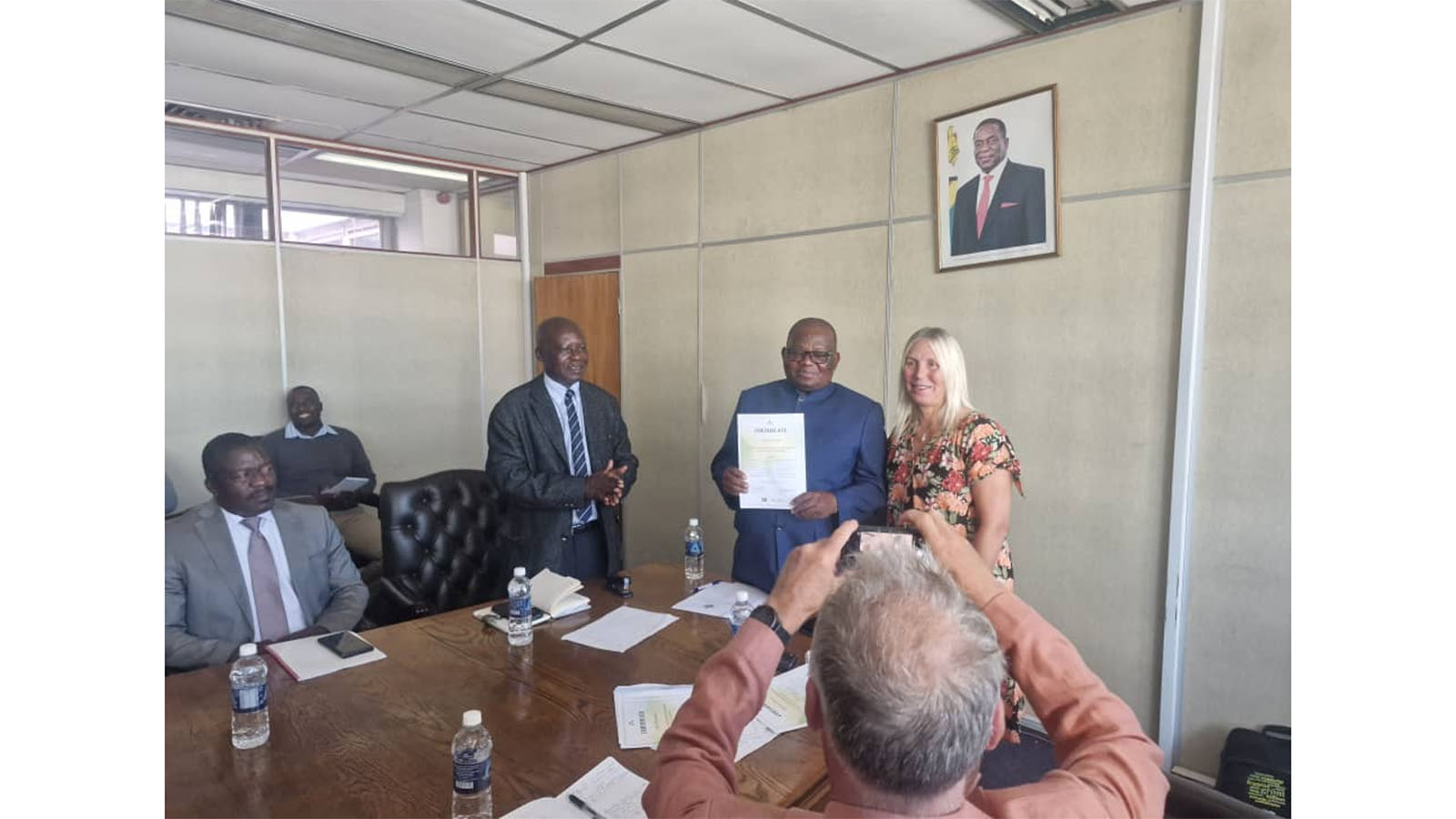
“The handing over of certificates to our capacitated team marks an important turning point for our province. We are determined to put this knowledge into good use and impart the skills to colleagues across Zimbabwe, even beyond Harare Metropolitan Province. In our drive as a nation towards an upper middle income economy, sustainable waste management and environmental upkeep are key pillars to the building of smart cities.”
The courtesy call was the first in a series of activities scheduled for the Swedish delegation’s week-long visit, which will include site tours, stakeholder meetings, and the laying of foundations for long-term partnerships. The programme opened with an invocation by Ms. J. Mangezi, followed by introductions led by Eng. H. Parichi, Chair of the Harare Sustainable Cities Initiative Steering Committee.
The Executive Director of the Zimbabwe Sunshine Group Mr Ronny Mbaisa, delivered remarks highlighting the impact of the recent Sweden training.
“The follow-up visit by the Swedish delegation is testament to the impact of the training programme. Unlike other trainings that focus on theory, this initiative is concerned with the implementation of outcomes in our local context. We are hopeful that through this engagement, training capacity will be established in Zimbabwe for the entire SADC region,” said Mr Mbaisa.
On the lined up tours, one of them will be a visit to Geo-Pomona, a key private sector player in waste management, where the importance of public-private partnerships in achieving sustainable waste solutions will be established.
The Swedish delegation, led by Per-Olof Hallberg (International Relations Manager) and Eva Johansson (Project Manager), will spend the week engaging with local authorities, the Environmental Management Agency (EMA), UN Habitat, recyclers, and community-based organizations. Their itinerary includes visits to waste treatment facilities, landfill sites, and potential pilot locations for waste management training hubs, such as Epworth.
Gästrike Återvinnare is internationally recognized for its integrated approach, which combines state-of-the-art recycling centres, waste-to-energy plants, biogas production, and strict policy enforcement. Sweden’s model is underpinned by extended producer responsibility, robust public education, and the use of digital tools to track and optimize waste collection .
Zimbabwe faces significant challenges in waste management, including irregular collection, low recycling rates, inadequate infrastructure, and weak policy enforcement. Most urban areas struggle with illegal dumping, open burning, and limited public awareness, leading to environmental and health risks . The exchange visit is expected to help address these gaps by adapting Swedish best practices to the local context.
The Zimbabwe Sunshine Group, a youth-led organization, has emerged as a leader in innovative waste management. The group diverts 75% of collected waste through recycling and composting, processes over 20 tonnes of organic waste monthly, and provides income opportunities for more than 200 young people and women. Its smart fermentation composting initiative aims to eliminate organic waste from landfills, contributing to food security and climate resilience .
“Our partnership with Gästrike Återvinnare and the support from government and local authorities have enabled us to demonstrate that community-driven, evidence-based solutions can make a real difference. We look forward to scaling up these models across Zimbabwe and the SADC region,” added Mr Mbaisa
The exchange visit’s objectives include assessing Zimbabwe’s current waste management ecosystem, engaging stakeholders, evaluating infrastructure and technology use, identifying capacity building opportunities, and laying the groundwork for twinning arrangements between Swedish and Zimbabwean municipalities.
The move shall aim to draw a common ground for our four Local Authorities to find areas of synergy in the context of sustainable waste management.The local context shall be derived from the Swedish team that can help change and improve our waste management strategies.
As the week’s activities unfold, stakeholders are expected to develop a roadmap for implementing Swedish-inspired waste management solutions in Zimbabwe.



 Online Reporter