Online Reporter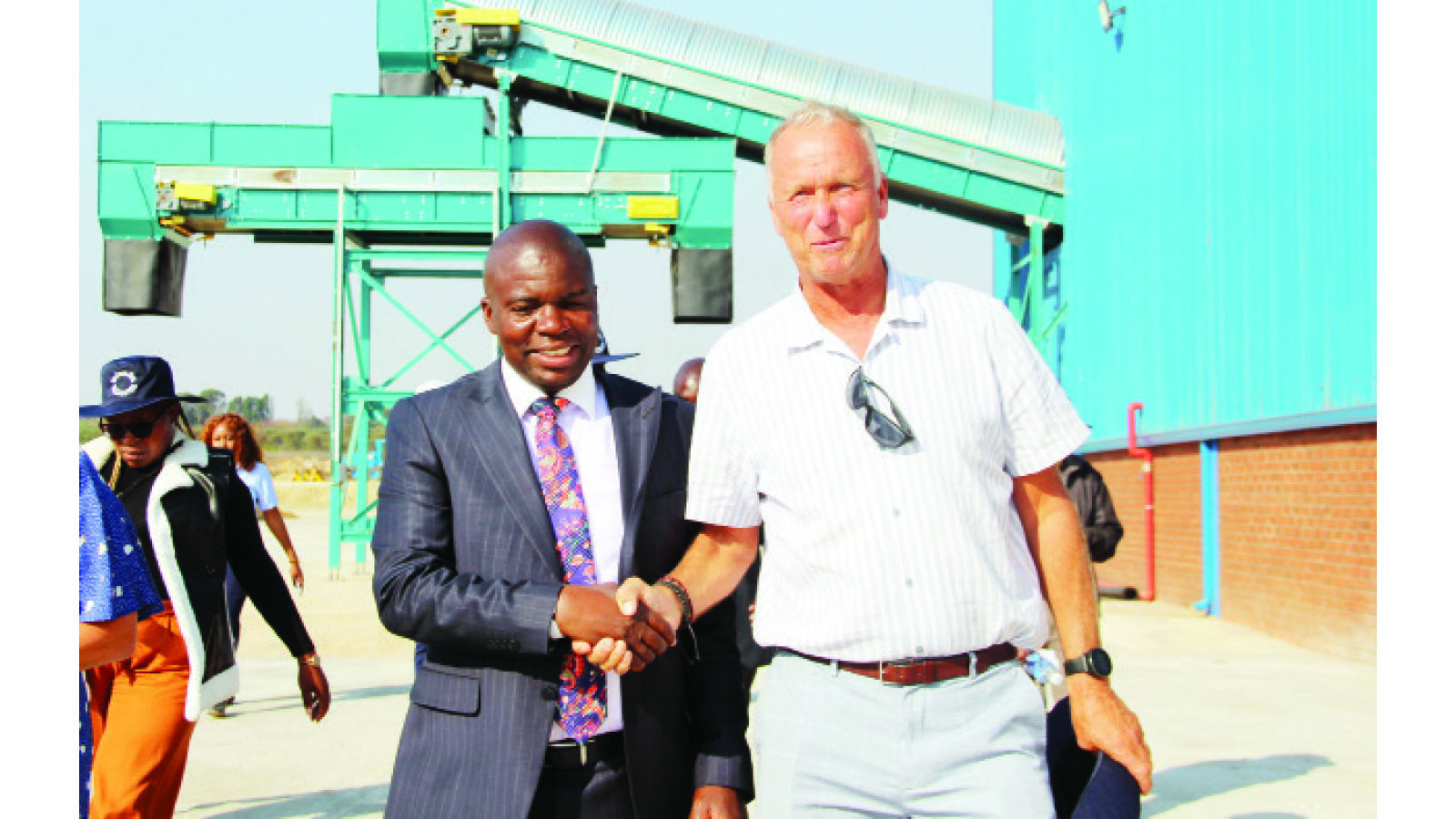
Harmony Agere and Remember Deketeke
A visiting Swedish delegation has described the Geo Pomona Waste Management project as a groundbreaking model for Africa, praising Zimbabwean investors and engineers for spearheading a landfill development that rivals European standards.
Gastrikke Municipality International Relations manager, Mr Per-Olof Hallberg, who led the delegation on a familiarisation tour of the site, said the facility marked a “remarkable shift” from dumpsites that dominate much of the continent.
“This is the first time in Africa I see such premises and I am very glad this is a new landfill,” he said.
“It is a European standard landfill, built on environmental concerns, on business sense, and for the community around it. I am very impressed by the way Zimbabwe has started this procedure of taking care of waste in Harare.”
He noted that unlike many African projects that rely on foreign ownership, the Pomona venture stands out for being locally driven.

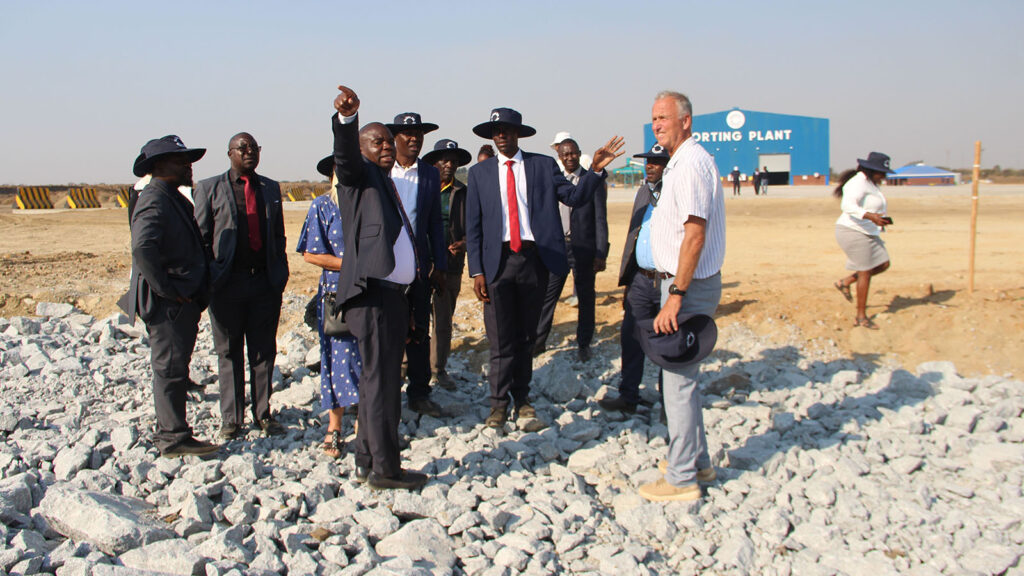
Geo Pomona Waste Management chief executive officer and executive chairman Dr Nguwaya (right) chats with Swedish Per-Olof Hallberg International Relations Manager of Gästrike återvinnare during a tour of the waste management facility in Harare yesterday.- Picture: Charles Muchakagara.
“Normally you see dump yards around Africa and it is very difficult to attract investors. It is often European companies coming in and taking over,” he said.
“In this case, a Zimbabwean investor and Zimbabwean engineers are leading, and that highlights this project even more.”
The project, already drawing international attention, is designed not only to contain waste responsibly but also to generate renewable energy once fully operational.
Mr Hallberg said what is presently called a landfill will soon evolve into a much larger hub for electricity production and recycling.
He stressed the importance of waste sorting as the next phase of Zimbabwe’s green transition.
“Of course, if you do it totally right, it will be sorting by source. That is difficult to start with, but with community participation, it can be done. A sorting plant here will ensure less waste goes to landfill. You cannot burn everything and you cannot bury everything, in the future, very little will be going to landfill at all if everything works well.”
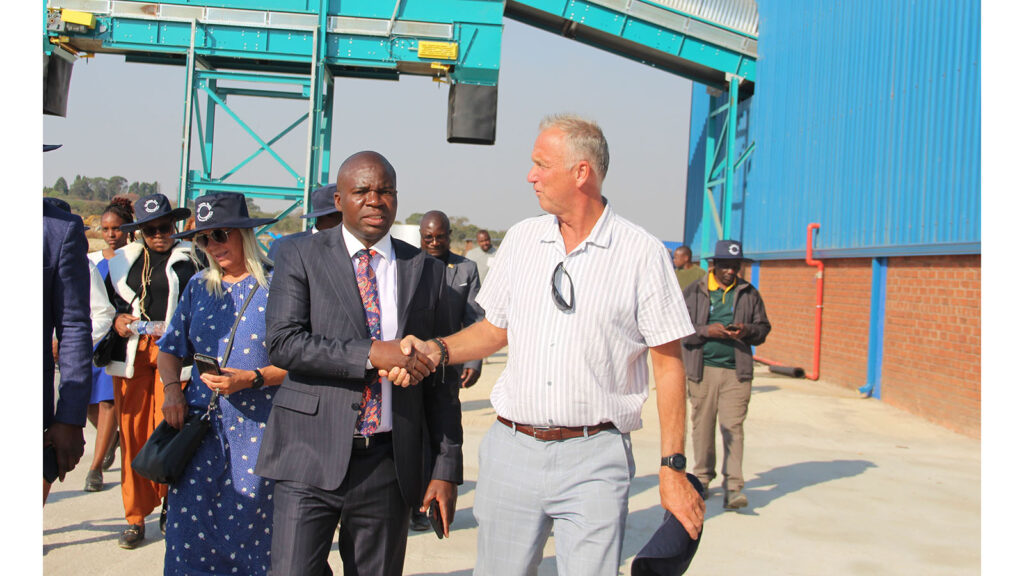
Meanwhile, Tanzanian Ambassador to Zimbabwe, Ms Suzan Kaganda, commended Geo Pomona Waste Management for turning refuse into an engine of environmental preservation and job creation, saying the model offers lessons for the region.
Leading a delegation from the Tanzanian embassy on a familiarisation tour ahead of an expected visit by that country’s Ministry of Environment, said the initiative was proof that waste can be transformed from a liability into an asset.
The delegation’s visit followed deliberations at COP15, where the Tanzanian government sought to learn how waste management could be used not only to clean cities, but also to safeguard the environment and create jobs.
“I would like to start by appreciating Dr Dilesh Nguwaya for the insightful learning tour. Me and my colleagues really appreciate what he is doing on waste management.
“What we have seen here is a very good work that has been done. Preservation of the environment through new technology, but at the same time making use of the people who have been here to offer them employment.
“Waste can be seen as something destructive to the environment, but it is also very useful if it is well managed. Much as we have learned, we are looking forward to more cooperation. We hope in future our ministry which is responsible for environment can send people here and we will also see how Geo Pomona can go back home with us.”
Amb Kaganda stressed that the cooperation should not end with the familiarisation tour.
“This exchange of technology and cooperation in preserving our environment does not end with our visit. It will be a lifetime cooperation.”
Geo Pomona executive chairman and chief executive officer, Dr Nguwaya, welcomed the visit, saying it was proof that Zimbabwe’s waste management initiatives had a regional impact.
“This visit demonstrates that Zimbabwe is no longer a follower in waste management but a leader setting the pace for the region,” he said.
“What we are doing at Geo Pomona proves that Africa can produce home-grown solutions of global standard without waiting for outsiders to come and do it for us.
“The presence of international delegations here is testimony that our model is not only for Zimbabwe but has relevance across the continent.”