Online Reporter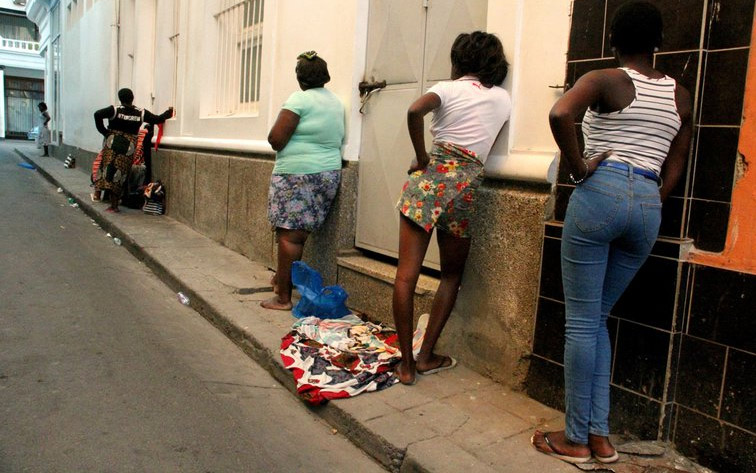
Rodgers Irimayi
Cultural Perspectives
THE number of sex workers is rising every day regardless of age as very young girls are joining the field in search of fast cash.
In Zimbabwe, sex work is discouraged and viewed negatively even by those involved in it.
No parent approves sex work as a ‘calling’ compared to formal professions such as nursing, teaching, and many others.
Although in colloquial language, sex work is referred to as the oldest profession, it has never been endorsed or recognised alongside other formal jobs in most countries.
Survival in this field is from hand to mouth, no productivity is expected.
People’s perceptions of sex work vary, but most of them are generally shaped by the complex African cultural dynamics.
Many people often stigmatise and associate it with shame although very few measures are done to curb the rise in the numbers of those joining this ‘profession’.
During a media tour organised by National AIDS Council (NAC), sex workers, both male and female, said they do not want their children and relatives to know their type of work, nor do they want them joining them.
They prefer keeping their activities private, and for freedom, they often migrate and practise their work far away from their original homes.
There are moral and ethical debates that surround this type of business especially on its legitimacy and impact.
Sex work is not tolerated in most societies, and those involved are often harassed and abused even by their clients.
They also face arrests and detentions as they are deemed to be breaching the law. Although it is not explicit, the Criminal Law (Codification) Act 2004:152 which came into effect in 2007 replacing the Sexual Offences Act of 2001 is used against sex work.
The major reasons for many young girls in Zimbabwe to turn to sex work include poverty and lack of economic opportunities.
The high unemployment rate, particularly among young people, may lead some to engage in sex work as a means of survival.
It is a fact that some have limited access to education resulting in them using their bodies as the only viable option.
There are also social factors that drive some to the ‘oldest profession’, and this include family breakdown as a result of parental loss or neglect, although others are influenced by their peers and social networks.
Where access to support services such as healthcare and counselling are limited, it can make it difficult for young girls to exit sex work. Some young girls are trafficked or coerced into sex work by individuals who take advantage of their vulnerability.
Categorisation of sex workers can provide a better understanding of the diversity of experiences and challenges they face.
Some are street sex workers who solicit clients on the streets or in public spaces, while others are brothel-based sex workers who work in brothels or establishments that offer sex services.
There are also others who work as escorts or companions, often providing sex services in private settings.
Another category which has now increased in numbers is that of online sex workers who use online platforms such as WhatsApp, Facebook, TikTok and many others to lure clients as they offer sex services.
It should be understood that both men and women engage in sex work, but there is also a group of transgender sex workers as well as gays and lesbians.
Some men and women may be forced or coerced into sex work through circumstances such as human trafficking.
There are so many stories about Zimbabwean women who were lured to overseas in anticipation of getting jobs, only to find themselves being forced to engage in sex work.
In 2016 more than 200 women went to Kuwait and discovered they had been tricked into serious trouble when they got entangled in forced sex work. Although these women were later saved and repatriated back home by Government after an outcry from some of them, the damage had already been done.
The situation is now getting complicated as some married individuals are engaging in sex work while being in committed relationships.
This category present unique challenges and experiences as they face potential stigma and try very hard to maintain their activities in secrecy in fear of losing their partners.
Their demands and stresses can strain relationships with partners and family members.
Married sex workers present the health risks of contracting and transmitting HIV and other STIs to their partners, and the damage is worse if they are in polygamous families. They may even struggle to balance the demands of sex work with family responsibilities and expectations.
Culturally and religiously, societal beliefs influence attitudes towards sex work. These attitudes influence the crafting of laws, policies, and social norms. Society has strict moral and religious objections that view sex work as immoral or sinful. The result is that sex workers face social exclusion and marginalisation in the communities. They are also viewed negatively as being involved in high health risks which can spread diseases such as HIV and AIDS and other sexually transmitted infections.
Some support services have been established in an attempt to assist those who are in sex work so that they may re-integrate back into society in a normal and meaningful way.
Several Government ministries and departments such as the Health and Child Care provide them with access to health services, including HIV testing and treatment.
Through peer support in the communities, they are able to connect with others in similar circumstances.
There also several civic organisations and advocacy groups in Zimbabwe that work to support sex workers and assist then to engage in self productive projects to sustain their livelihoods.
Organisations such as National Aids Council of Zimbabwe through its various partners provide economic opportunities for some individuals, particularly in contexts where other options are limited.
Other ways of providing economic opportunities and support that can help reduce the number of young girls engaging in sex work are opening educational avenues and job training.
These enable them to acquire skills and knowledge to pursue alternative income generating projects.
The Ministry of Youth Empowerment Development and Vocational Training together with the Ministry of Women Affairs, Gender and Community Development have established support systems for those who are eager to move out of sex work.
Rodgers Irimayi is the Ministry of Information, Publicity and Broadcasting Services Masvingo Provincial Information Officer. He writes in his personal capacity and can be contacted on +263778246098 or [email protected]. He can also be followed on his YouTube channel, Culture Views with Judah Kalispokaz