Online Reporter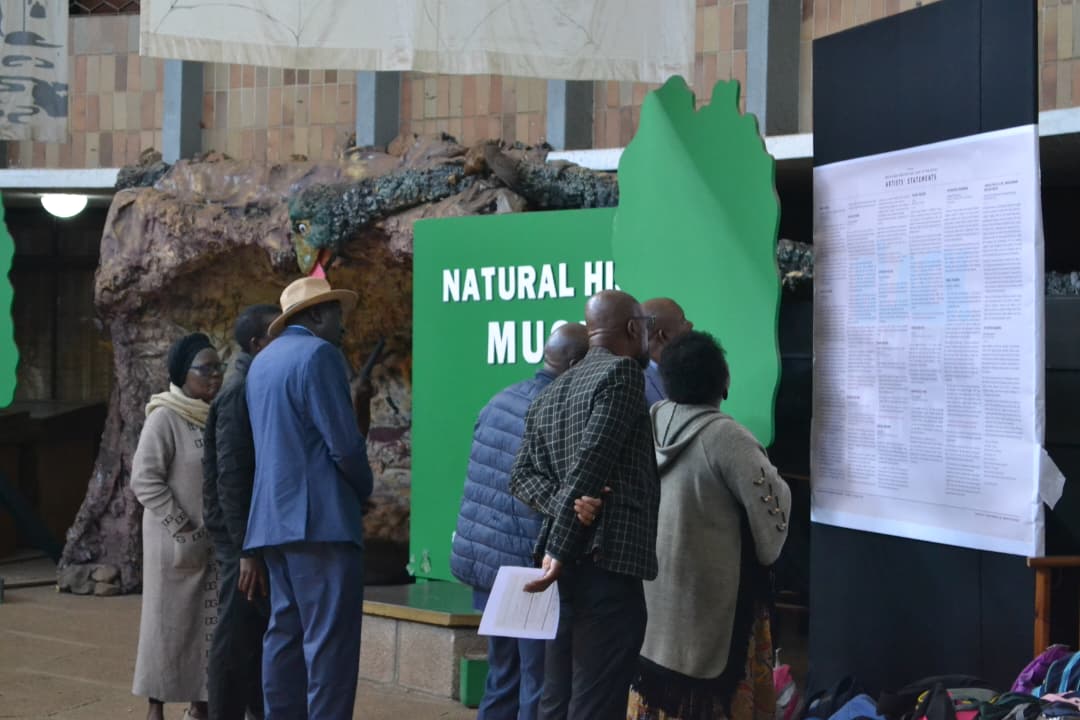
Mbulelo Mpofu, [email protected]
ZIMBABWE’S fight against climate change could benefit from a centuries-old environmental management system that is often overlooked, which is indigenous taboos, or amazilo.
Far from being relics of the past, traditional taboos are increasingly being recognised as practical tools for environmental conservation, sustainable development and cultural preservation.
This was highlighted at the inaugural Taboos Indaba 2026, held at the Natural History Museum of Zimbabwe in Bulawayo recently, where policymakers, traditional leaders, academics, artists, researchers and environmental advocates explored how ancestral wisdom can complement modern climate action.
Organised by Black The New Green: Art and Climate Change in partnership with the Natural History Museum of Zimbabwe and other stakeholders, the indaba formed part of the “Taboos and Conservation: Back to the Future” exhibition.
Delivering the keynote address, Ministry of Sport, Recreation, Arts and Culture Deputy Director of Arts and Culture Mr Isaiah Mpofu said traditional taboos should not be confined to history books.
“While scientific research and technological innovation remain essential, there is growing recognition that Indigenous knowledge also offers valuable insights into sustainable living,” he said.
Mr Mpofu said communities had long used customs and taboos to protect rivers, forests, mountains, wetlands and wildlife, promoting responsibility, respect and restraint.
He said urbanisation, globalisation and changing lifestyles had contributed to the erosion of these practices, but their disappearance should instead encourage communities to rediscover their relevance.
“Today, many of these traditions are disappearing under the pressures of urbanisation, globalisation and changing lifestyles. Yet this does not mean they have lost their value,” he said.
Mr Mpofu said the Government viewed culture as a strategic pillar of national development, with Vision 2030 and Heritage-Based Education 5.0 recognising the importance of indigenous knowledge in national development.
The indaba brought together participants from Zimbabwe, Botswana and Zambia to examine how African cultural practices contributed to environmental management before climate change became a global concern.
Curator Fisani Nkomo said the “Back to the Future” exhibition sought to reconnect communities with traditional conservation methods.
“Back to the Future invites us to learn from the wisdom of our ancestors while finding new ways to care for our environment,” he said.
The exhibition explores deforestation, pollution, mining, water scarcity, biodiversity loss and wildlife conservation.
Nkomo said art could help communities understand environmental challenges by turning facts and statistics into experiences that resonate emotionally.
Nkomo challenged artists to use visual art, music, storytelling and performance to promote environmental awareness, saying conservation was both a scientific and cultural responsibility.
He also called for collaboration among Government, traditional leaders, communities, artists, researchers, museums and educational institutions.
The indaba, he said, should translate into practical action in homes, schools and communities.
“I encourage you to value your languages, your traditions and your cultural heritage. Learn from your elders while embracing innovation and new knowledge,” he said.
The gathering ultimately positioned indigenous knowledge not as a nostalgic reflection of the past, but as a living resource capable of helping Zimbabwe build a more sustainable future.
Follow on X: @MbuleloMpofu