Online Reporter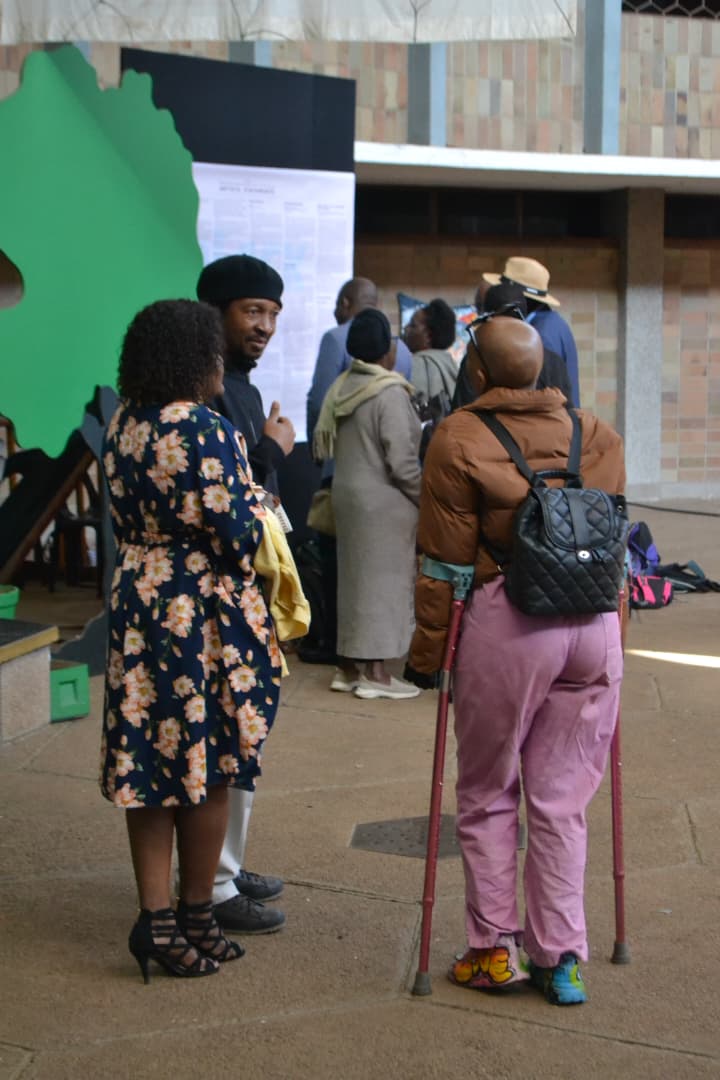
Mbulelo Mpofu, Nodumo Moyo
ZIMBABWE is grappling with the devastating effects of climate change, and a growing chorus of voices is calling for a return to one of the country’s oldest yet often overlooked environmental management systems – indigenous taboos (amazilo).
Far from being relics of a bygone era, traditional taboos are increasingly being recognised as practical tools for environmental conservation, sustainable development and cultural preservation.
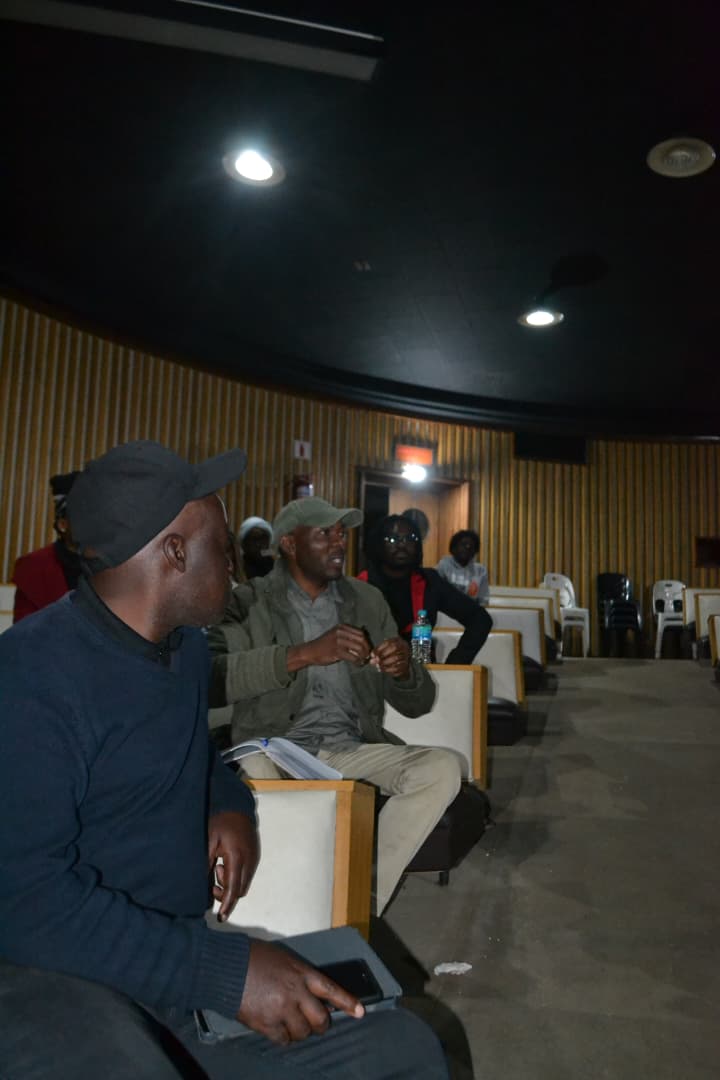
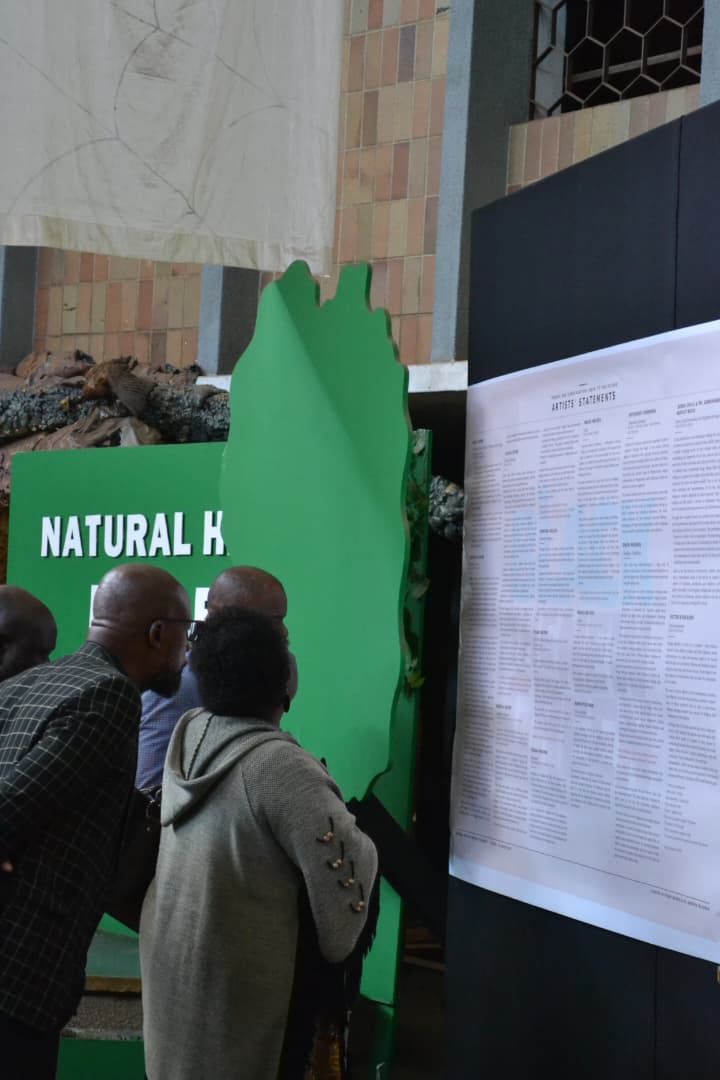
This message took centre stage at the inaugural Taboos Indaba 2026, held at the Natural History Museum of Zimbabwe in Bulawayo on July 31, where policymakers, traditional leaders, academics, artists, researchers and environmental advocates gathered to explore how ancestral wisdom can complement modern climate action.
Organised by Black The New Green: Art and Climate Change in partnership with the Natural History Museum of Zimbabwe and other stakeholders, the indaba formed part of the, ‘Taboos and Conservation: Back to the Future’ exhibition, an initiative that seeks to revive indigenous knowledge systems as a response to contemporary environmental challenges.
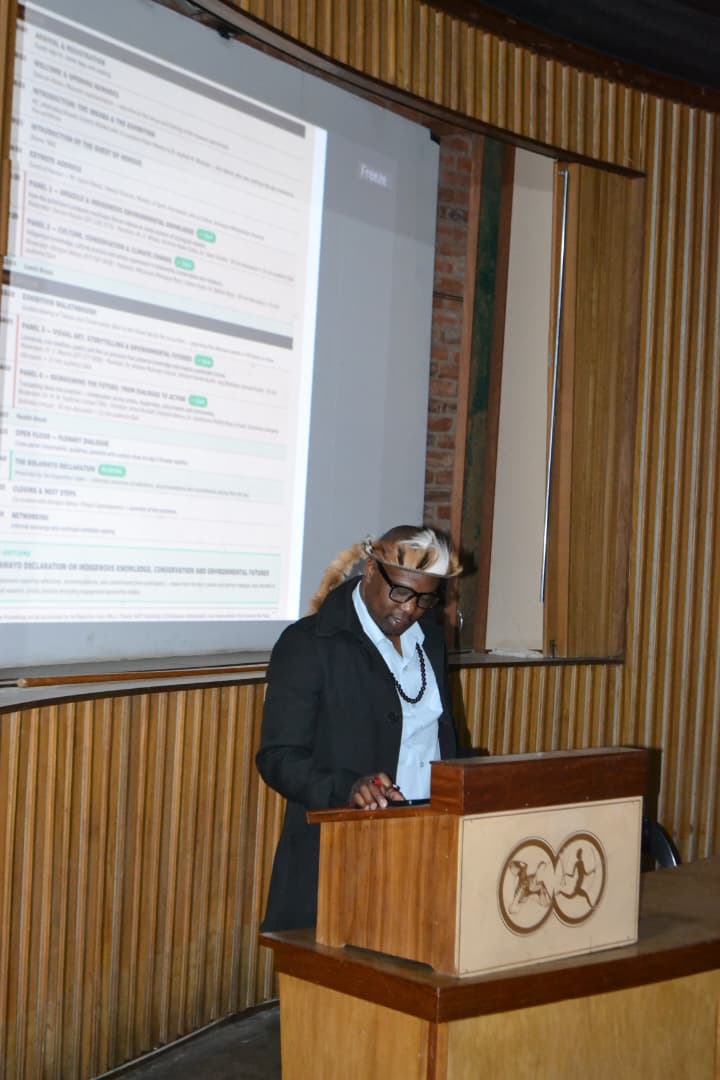
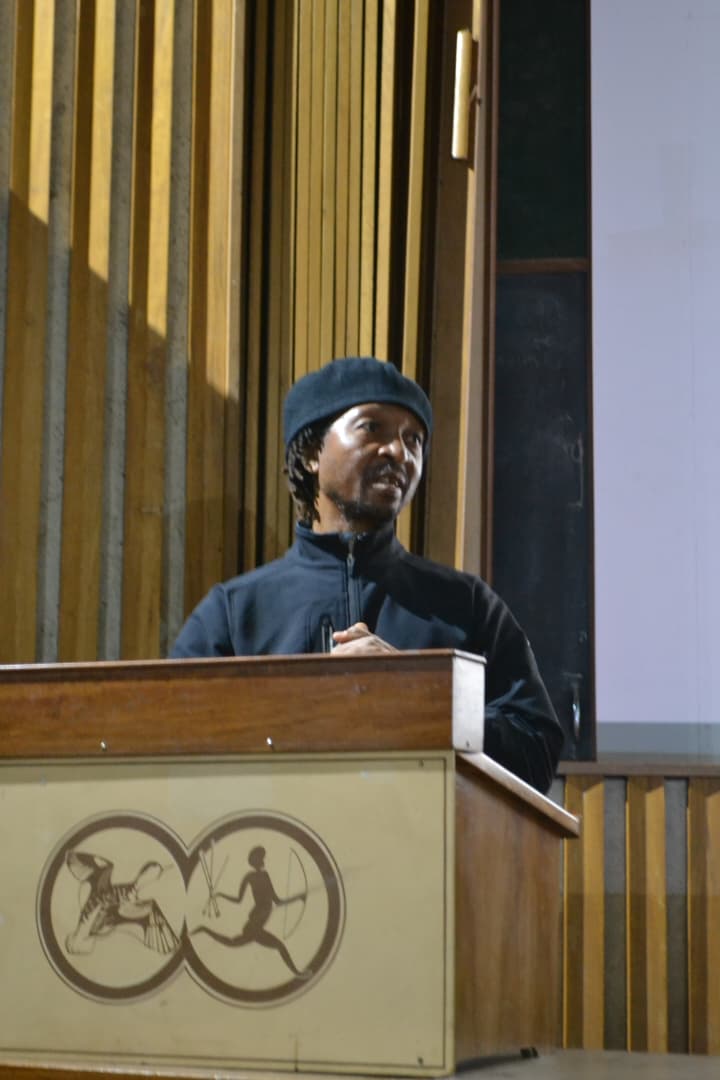
Delivering the keynote address as Guest of Honour, the Ministry of Sport, Recreation, Arts and Culture’s Deputy Director of Arts and Culture, Mr Isaiah Mpofu, urged Zimbabweans to reject the notion that traditional taboos belong solely in history books.
Instead, he described them as enduring systems of environmental governance that remain relevant in the fight against climate change, biodiversity loss and ecological degradation.
“While scientific research and technological innovation remain essential, there is growing recognition that Indigenous knowledge also offers valuable insights into sustainable living,” said Mr Mpofu.
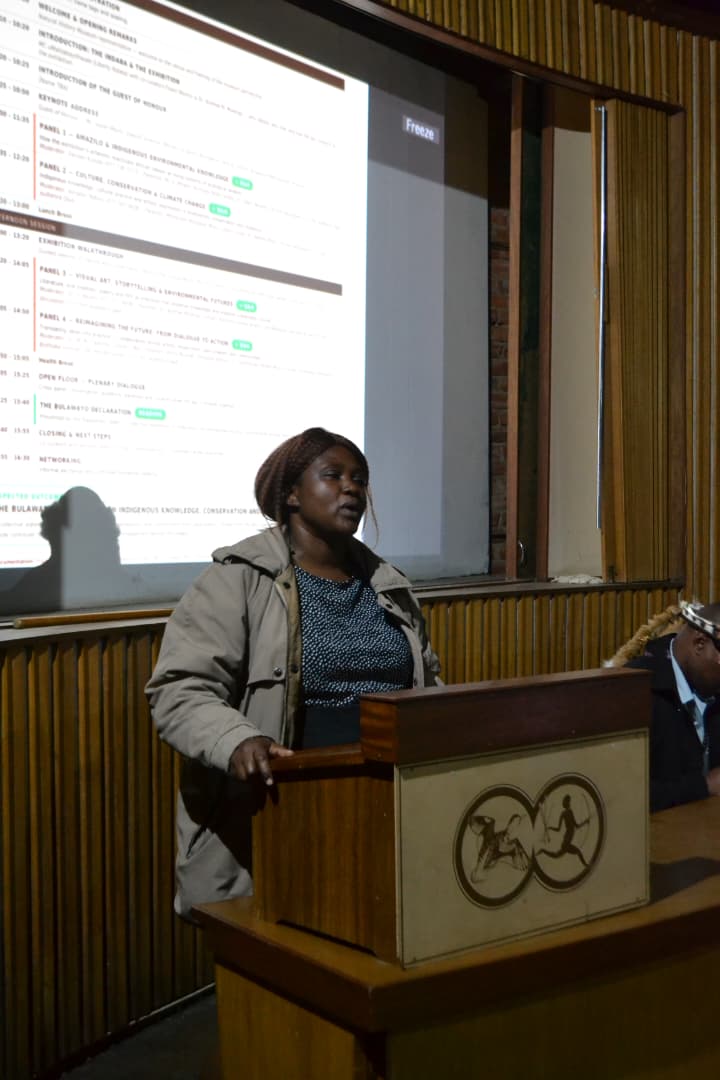
He noted that long before environmental conservation became a global priority, Zimbabwean communities had already developed cultural practices that safeguarded ecosystems through shared values, customs and taboos.
“Through taboos, customs and social values, our ancestors developed systems that protected rivers, forests, mountains, wetlands and wildlife. These practices encouraged responsibility, respect and restraint. They reminded communities that human wellbeing is inseparable from the wellbeing of nature.”
His remarks come as Zimbabwe continues to face increasingly severe environmental pressures, including prolonged droughts, erratic rainfall, deforestation and growing pressure on natural resources – challenges largely attributed to climate change.
Yet while the value of indigenous knowledge is increasingly acknowledged internationally, Mr Mpofu warned that rapid urbanisation, globalisation and changing lifestyles have steadily eroded many traditional conservation practices.
“Today, many of these traditions are disappearing under the pressures of urbanisation, globalisation and changing lifestyles. Yet this does not mean they have lost their value. Rather, it challenges us to rediscover their meaning and consider how they can contribute to contemporary environmental stewardship.”
For Mr Mpofu, preserving indigenous knowledge extends beyond protecting cultural identity. It is also about equipping communities with practical, locally grounded approaches to sustainable living. He said Government views culture not merely as heritage preservation but as an essential pillar of national development.
“The Government of Zimbabwe recognises culture as a strategic pillar of national development. Through Vision 2030, we aspire to build an empowered and prosperous upper-middle-income society, and culture remains central to achieving that vision.”
He added that the National Development Strategy (NDS) 1 identifies the Creative and Cultural Industries (CCIs) as important contributors to economic growth, national identity and social cohesion.
“Our Heritage-Based Education 5.0 philosophy also reminds us that education must draw from our own history, values and Indigenous Knowledge Systems while embracing research, innovation and industrial development.”
According to Mr Mpofu, this philosophy encourages Zimbabweans to see culture not as an outdated inheritance but as a living resource capable of solving present-day problems.
The Taboos Indaba, he said, demonstrates precisely how heritage can remain relevant within museums, schools, communities, universities and creative spaces.
The event itself reflected that philosophy by bringing together participants from Zimbabwe, Botswana and Zambia to examine how African cultural practices historically contributed to environmental management long before climate change entered mainstream global discourse.
Central to the discussions was the “Back to the Future” exhibition, curated by Black The New Green: Art and Climate Change.
Curator Fisani Nkomo said the exhibition was designed to reconnect communities with traditional conservation methods that have protected ecosystems for generations.
“Back to the Future invites us to learn from the wisdom of our ancestors while finding new ways to care for our environment,” he said.
The exhibition explores pressing issues such as deforestation, pollution, mining, water scarcity, biodiversity loss and wildlife conservation while encouraging visitors to recognise indigenous knowledge as a practical response to modern environmental crises.
For Nkomo, art plays a unique role in translating environmental concerns into experiences that resonate with ordinary people.
“Art has the power to connect with people emotionally. Facts and statistics are important, but stories, images, performances and installations help people feel the impact of environmental issues,” he said.
That sentiment was echoed by Mr Mpofu, who challenged Zimbabwe’s creative sector to become active participants in environmental advocacy.
“The arts occupy a unique place in this journey. Artists help us see what statistics alone cannot reveal. Through visual art, storytelling, music, performance and other creative expressions, they stimulate imagination, provoke dialogue and encourage reflection.”
He said artistic expression reconnects society with nature while reminding people that conservation is not merely a scientific obligation but also a cultural and moral responsibility.
Mr Mpofu commended Black The New Green for creating a platform where artists engage directly with climate change, indigenous knowledge systems and environmental stewardship.
“This initiative demonstrates the important contribution that the arts can make towards sustainable development and public awareness.”
He also praised the Natural History Museum of Zimbabwe for fostering partnerships that bridge scientific research, cultural heritage and contemporary artistic practice.
“Such collaborations enrich public understanding and strengthen our shared responsibility to protect both our natural and cultural heritage.”
Beyond institutions, Mr Mpofu paid tribute to traditional leaders and indigenous knowledge holders, describing them as custodians whose wisdom has sustained communities across generations.
He also applauded universities and research institutions documenting Indigenous Knowledge Systems to ensure they continue informing education, policymaking and community development.
However, he stressed that safeguarding Zimbabwe’s environmental future requires collective action.
“Environmental sustainability cannot be achieved by government alone. It requires collaboration among communities, traditional leaders, educational institutions, artists, researchers, museums, civil society, the private sector and development partners.”
He challenged artists to continue using creativity as an instrument for social transformation.
“Continue using your creativity to inspire dialogue, challenge assumptions and encourage positive change.”
Young Zimbabweans also received a direct message.
“I encourage you to value your languages, your traditions and your cultural heritage. Learn from your elders while embracing innovation and new knowledge. The future belongs to those who can confidently build bridges between tradition and modernity.”
Describing the gathering as more than a conference, Mr Mpofu said the Taboos Indaba represented a national call to action.
“It invites us to listen to one another, learn from one another and work together to build communities that value both cultural heritage and environmental responsibility.”
He urged delegates to ensure the conversations held during the event translate into practical action within homes, schools, institutions and communities.
Closing his address with an African proverb, Mr Mpofu reminded participants that environmental stewardship is ultimately an obligation owed to future generations.
“We do not inherit the earth from our ancestors; we borrow it from our children.”
Zimbabwe continues to search for locally-driven solutions to the climate crisis, and the inaugural Taboos Indaba has positioned indigenous knowledge not as a nostalgic reflection on the past but as a living resource capable of shaping a more sustainable future.
In reconnecting culture, science and artistic expression, the gathering offered a compelling reminder that some of the country’s most enduring answers to environmental challenges may already exist within the wisdom of its ancestors.