Online Reporter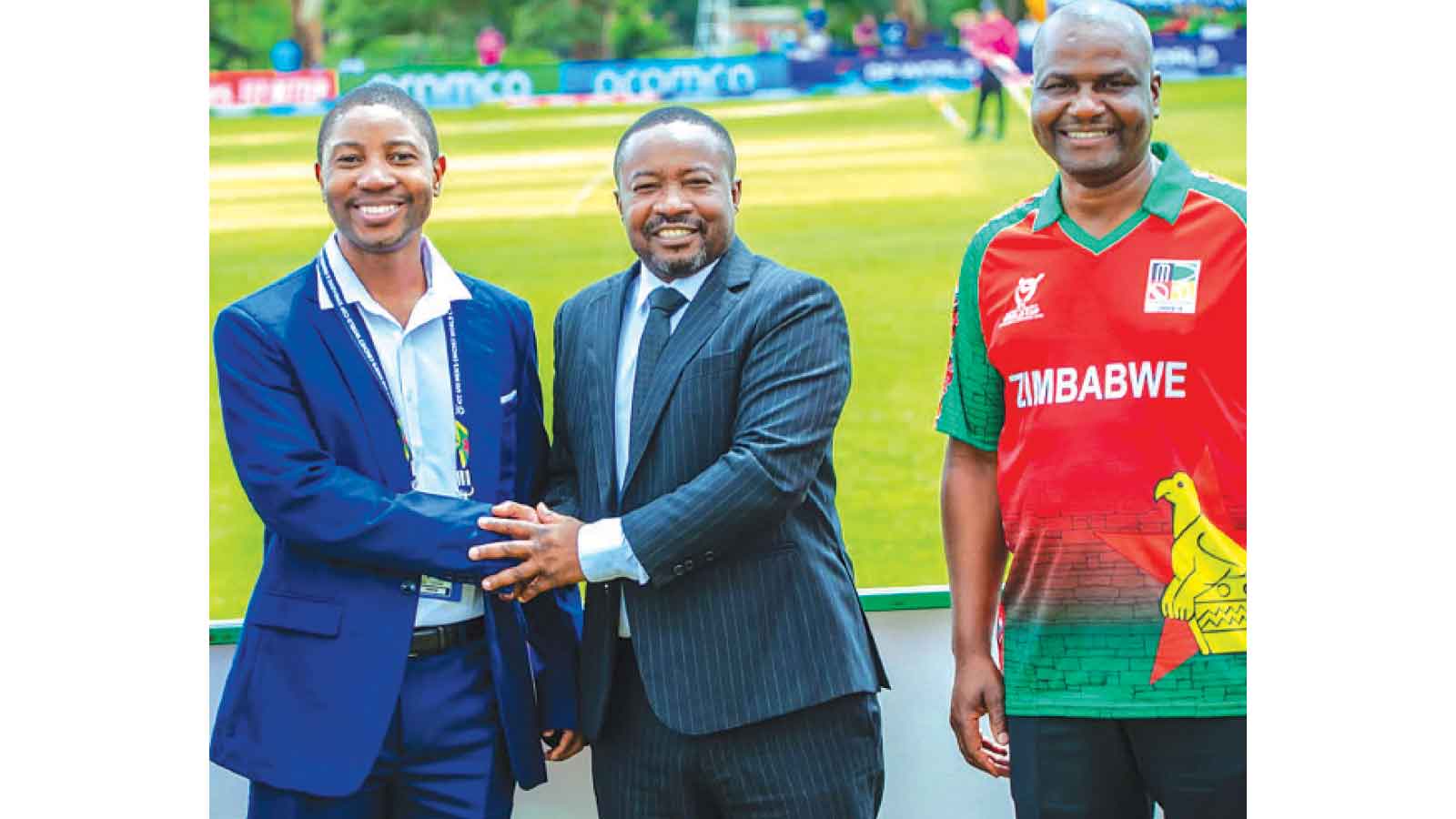
Don Makanyanga
Zimpapers Sports Hub
TATENDA TAIBU is back inside Zimbabwean cricket, and this time he is not just passing through, he is planting something that could outlast his own story.
The former Chevrons captain has stepped back into the game with a clear shift in tone and purpose, no longer the young leader locked in battles with the system, but a man determined to shape what comes next.
For years, his relationship with Zimbabwe Cricket carried tension, part admiration, part fallout, and it threatened to define him as much as his talent ever did. That edge has eased, and the reset is now real.
Taibu resurfaced during the 2026 Under-19 World Cup as an official ambassador, a quiet but significant return that signalled a mended bridge between player and institution at a time the country is trying to rebuild its cricket.
“I have a good relationship with ZC. The thing for me is that I am more mature now. Before, I was very strong in my thoughts, and I did not care who was listening and who was not. On both sides, I think there’s a bit more maturity and understanding of how life should actually go,” Taibu told Cricinfo.
He sounds different now. Still direct, but measured. The fire is still there, just channelled elsewhere.
The tournament did more than bring him back into the fold. It took him home.
Takashinga, where it all began, hit him harder than anything else. Not the titles, not the role, but the ground itself, and what it has become.
“Being recognised is something that brings a warm feeling to the heart of anyone.
“So, obviously, it warmed my heart. But to do it in my home country, and to see the ground, Takashinga, where I grew up, to see what it has become now, how immaculate and green it was, it was heartwarming for me.
“To be given any role in any industry is an honor because you are being recognised for what you have done.
“I am a Zimbabwean at the end of the day, and my heart is always in my country,” said Taibu.
That return carries weight because he remembers what Takashinga used to be.
“I remember the time when we used to push the wheelbarrow when it was just a dusty field.
“We still have pictures of us standing together with just one net at that time, and the ground without any grass. To see the greenery like that now was great,” he said.
From wheelbarrows to a World Cup venue, the journey mirrors his own rise, and explains why he is no longer just talking about cricket, he is building it.
Taibu is now pushing his grassroots work into new territory, taking the game beyond the usual urban pockets and into areas that rarely get attention.
His next stop is Murewa, and this time the plan is bigger than outreach.
“My father was from Malawi, then settled here and married my mother, who is from Mutare.
“Then I married my wife, Loveness, who is from Murewa.
“I thought to myself that I did not have a rural area where a Taibu ‘belongs.’ Because my father came through Murewa and my wife is from Murewa, that is the reason I chose the area to be my rural home,” he said.
He now has land in Mashonaland East and a project already taking shape, a sports facility designed to give rural talent a real shot.
“Murewa is my kumusha (rural home), so you cannot build someone else’s home without building yours first. That is why I am doing those projects in Murewa.
“We are about to construct a sports facility there to provide an opportunity that is rare for the rural child, while we spread the game to every corner of the country,” he said.
He has done this work quietly before, donating kits, setting up nets, backing community cricket, but the shift now is scale. This is structured, deliberate, and aimed at closing the gap between raw talent and real opportunity.
There is also movement at a higher level.
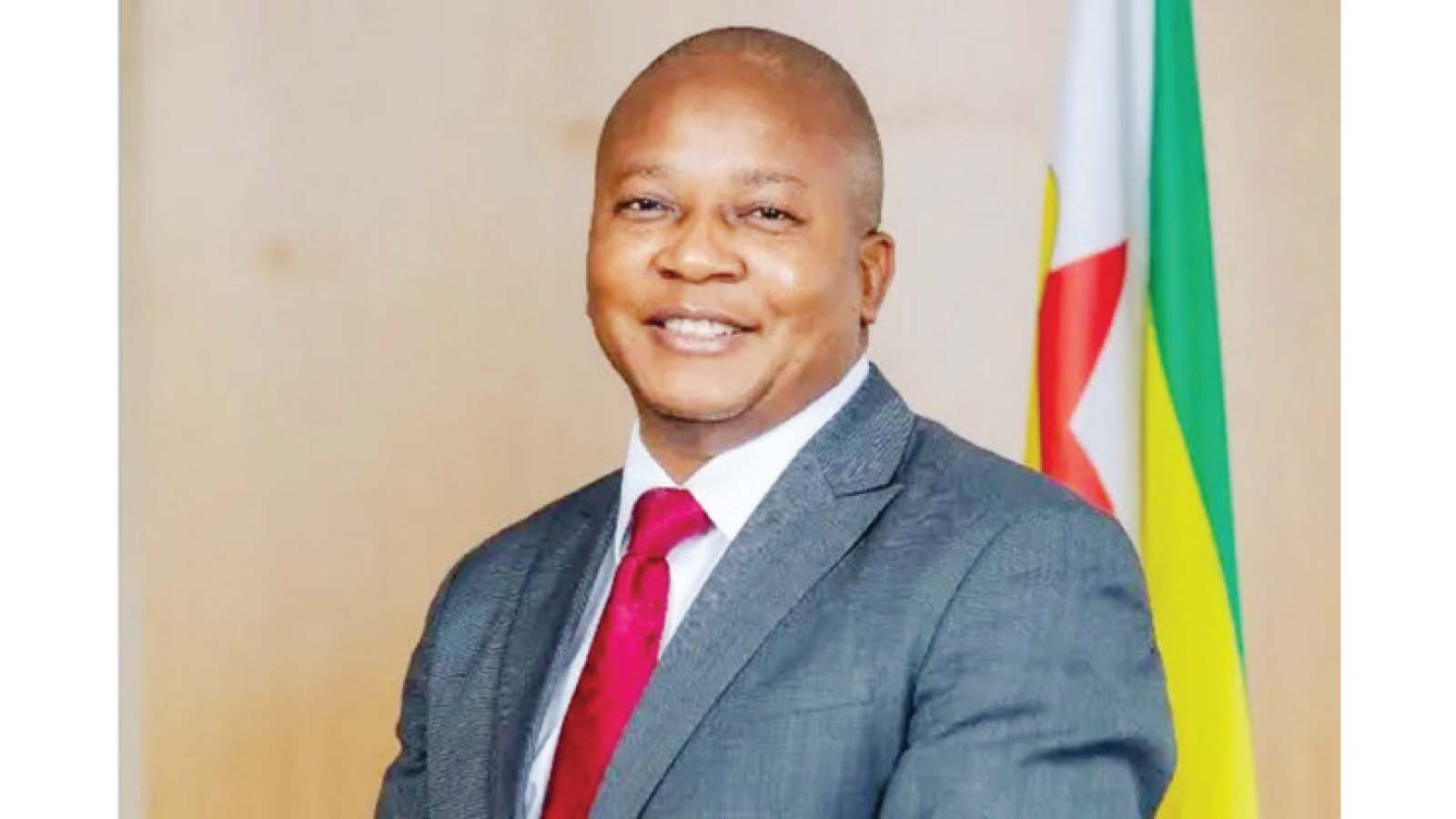
During the Under-19 World Cup, Taibu held talks with Harare Mayor Jacob Mafume, a meeting that could open the door to larger projects if the momentum holds.
“When I met the Mayor, we talked about doing something big. I was just interested in finding someone who is willing to join hands, definitely, something big will be looming in the few years to come,” he said.
The timing matters.
Zimbabwe is building towards the 2027 World Cup, and the push for better facilities, stronger systems and deeper talent pools is no longer optional. It is urgent.
Taibu sees the progress, improved pitches, better infrastructure, a sense that the game is slowly finding its footing again, but he also knows it will not sustain itself without investment at the base.
That is where he has placed himself.
For a man who once walked away at the height of his powers, this return is not about fixing the past.
It is about making sure the next kid pushing a wheelbarrow at a dusty ground does not have to fight the same battles to be seen.