

 admin
admin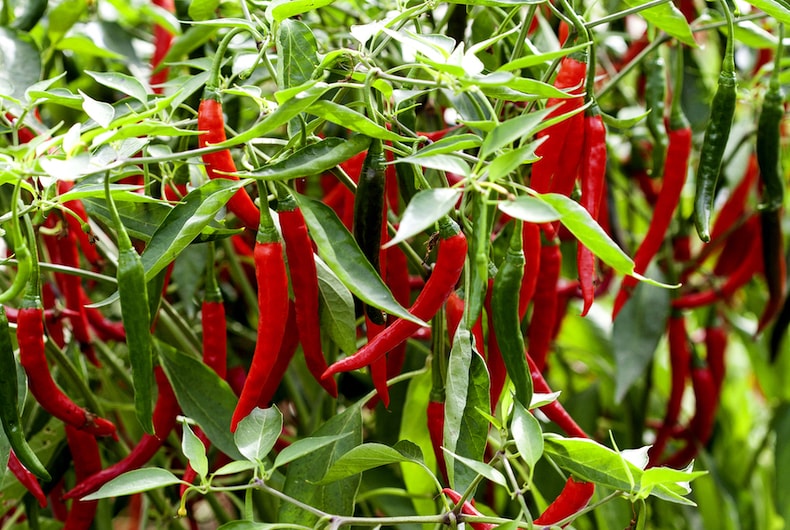
Edgar Vhera Agriculture Specialist Writer
LOCAL bird eye chilli farmers must capitalise on the yawning demand for chilies in the United Kingdom (UK) and fill the gap created by traditional supplier, Kenya’s failure to satiate the growing demand.
Chili peppers are the fruits of Capsicum pepper plants that are rich in vitamins, minerals and antioxidants and they are notable for their hot flavor. They are primarily used as a fresh or dried spice.
Kuminda chief executive officer, made the call yesterday urging farmers with fresh bird eye chilies to first take their produce for quality tests.
Kuminda is a multinational company founded in Zimbabwe. Its main goal is to empower African farmers by providing them with access to international markets. It provides agronomic, production and compliance services in addition to market scouting and logistics to the final consumer.
In a recent X (formerly Twitter) post, Mr Mwale said there had been a low supply of chilies from Kenya into the UK and the market was looking at Zimbabwe to fill the void.
“Despite what happened in the past concerning the false coddling moth, Zimbabwean chilies are currently on high demand in the UK at the moment,” he said.
To assess suitability for export, samples of the chilli product are sent to the UK to be tested for the Scoville Heat Units (a measure of how hot it is), aflatoxins, maximum residue level (MRL) among others.
Chillies are graded into A, B and C grades on the basis of colour, shape, odour, flavour, admixture, mould, discolouration/mottle, moisture, heavy metal and pesticide residue.
Zimbabwe produces chillies with no artificial colours or flavours under high adherence to environmental and international standards. The country’s unique selling point is the slow grown, mountain chillies of superior colour and taste, sustainably produced by smallholder farmers under high environmental standards.
Chilli production takes about 10 months from seedling establishment to harvesting with this year’s yield severely affected by El Nino and frost.
Meanwhile, statistics from Zimbabwe National Statistics Agency (ZimStats) show that spices and herbs export earnings decreased 54 percent from US$1 144 769 in the first quarter of 2023 to US$524 724 in the comparable period this year.
In volume terms it dropped 22 percent from 358 490 to 280 629 kilogrammes. This decline is attributed to the El Nino-induced drought as most production is done by smallholder farmers.
Dried, crushed or ground pepper, dried fruits of the genus capsicum or pimenta, crushed or ground fruits of genus capsicum or pimenta and chillies are among the products under the spices and herbs section.
The Covid-19 lockdown in 2019 resulted in many consumers becoming health conscious with the spices and herbs section endearing themselves to a lot of consumers who prefer these nutrient rich products for a healthy eating.
This has resulted in the country’s spice and herb export earnings rising a whopping 120 percent from US$ 2 345 948 in 2021 to US$5 171 898 in 2023.
The volumes exported also rose 90 percent from 1 190 971 to 2 262 936 kilogrammes over the same period.



 leeroy
 Online Reporter