admin
adminconditions improve, the International Monetary Fund said.
“Growth is expected to rebound quickly once the weather situation normalises,” IMF said in a statement on Monday.
The Washington-based body earlier this year cut its 2011 growth projection for Tanzania from 7,2 percent because of widespread power outages triggered by drought in the predominantly hydropower producing country.
Revenue collection for the July 2010-June 2011 fiscal year was below target, in part due to poor rains, the IMF said. East Africa’s second largest economy cut its spending plans at its mid-year budget review and the IMF said more spending restraint would likely be needed.
The IMF also predicted Tanzania’s inflation rate would fall to 5 percent at the end of the 2012/13 fiscal year from a projected 5,5 percent at the end of the 2011/2012 fiscal period.
The IMF has said it might revise its 2011 growth forecast back up towards 7 percent if there is a significant improvement in rain levels.
Africa’s fourth biggest gold producer, Tanzania mainly depends on tourism, mining and agriculture and is increasingly attracting higher investor interest in telecommunications, energy, manufacturing, financial services and transport. – Reuters.


Online Reporter
- Herald
- July 31, 2026
- 12 views
Economy: Growth signs visible
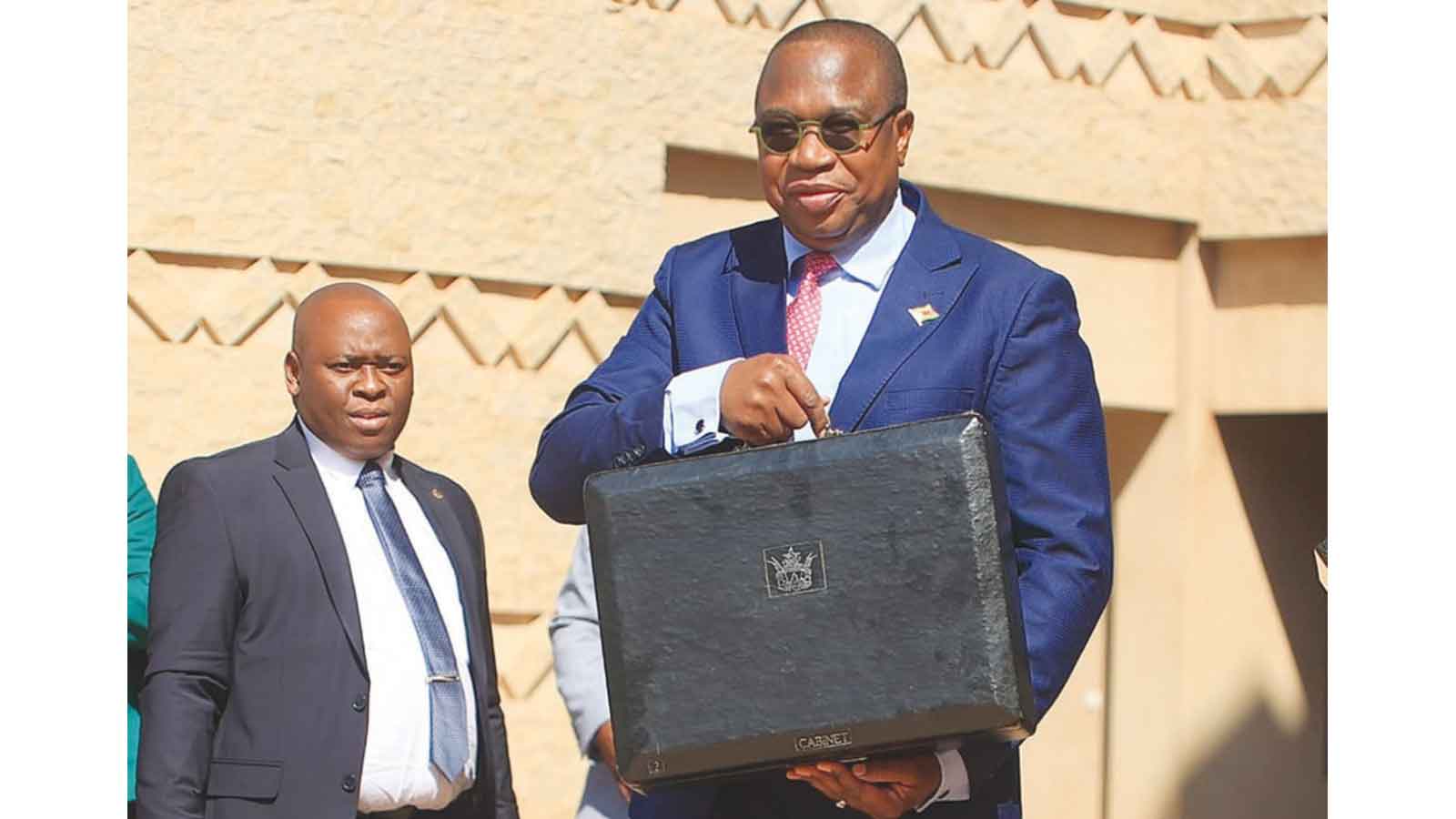
Martin Kadzere Senior Business Reporter ZIMBABWE has made significant progress towards achieving upper-middle-income status, with the country’s Gross National Income per capita growing by 84 percent since 2021, Finance, Economic…