admin
admin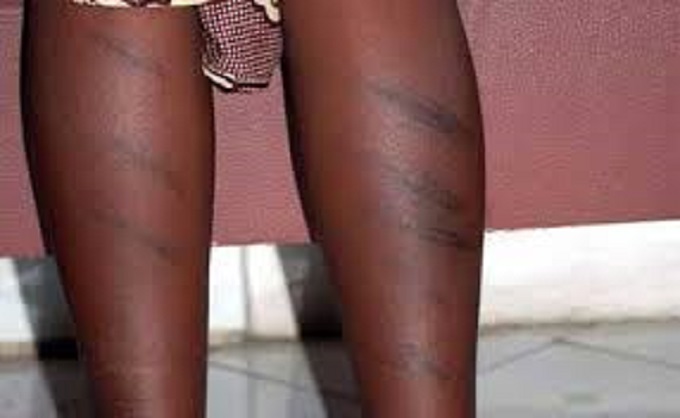
The recent death of a Tanzanian teenager who, family-members allege, was accused of stealing and beaten to death by his teacher has revived the debate on corporal punishment in schools.
Sperius Eradius, a 13-year-old primary school pupil died on August 27 in the northern Kagera province, a few days after being beaten by a school teacher who accused him of stealing another teacher’s handbag.
In protest the boy’s parents refused to bury their son until authorities arrested the teacher and suspended the school principal.
The child’s death has triggered an uproar.
The Tanzania Media Women’s Association (TAMWA), a prominent civil society organisation, on Friday condemned “this cruel and inhumane act” adding that it hoped “beatings and murders at school will not be repeated”.
The group mentioned another case, in 2016, in which a girl was forced to remove her underwear before being caned by four teachers in succession. The girl’s alleged crime was serial absenteeism. Corporal punishment is allowed under a 1979 law, but with restrictions.
Blows may only be administered by principals, must be focused on the hands or buttocks with the use of a light and flexible rod, and may only be dealt out in a “reasonable” manner in the case of serious offences. m“The school is supposed to be a very safe place for students to enjoy their fundamental right to education,” said
Tanzania’s Legal and Human Rights Centre (LHRC), calling on the government to review the school punishments regime.
“Severe sanctions should be imposed on teachers who commit criminal acts against students, to serve as an example,” it added. — AFP



 Online Reporter