admin
admin
Prince Sunduzani Business Reporter
The Competition and Tariff Commission (CTC) says it will investigate businesses that drive excessive pricing of commodities and threatened to take legal action on perpetrators. Zimbabwe has recently experienced unjustified price increases on numerous basic commodities, some as high as 100 percent, resulting in widespread public outcry on concerns of erosion of consumer spending.
In a statement yesterday, CTC condemned the rampant price distortions and excessive pricing in the market saying the situation was creating unfair competition and prejudicing consumers.
“Excessive pricing is anti-competitive as it rules out the setting of prices according cognisable competition considerations. In this respect, the Commission will not hesitate to embark on investigations in sectors identified as colluding or price fixing or excessively pricing, with a view to remedy such anti-competitive practises within the confines of the Act. All producers, wholesalers and retailers are, therefore, expected to comply with the Competition Act with immediate effect or else face the wrath of the law,” said CTC.
According to CTC, excessive pricing involves increasing the cost of a good or service, which has no reasonable relation to the economic value or reasonable relation between price and economic value of that good or service and higher than that value.
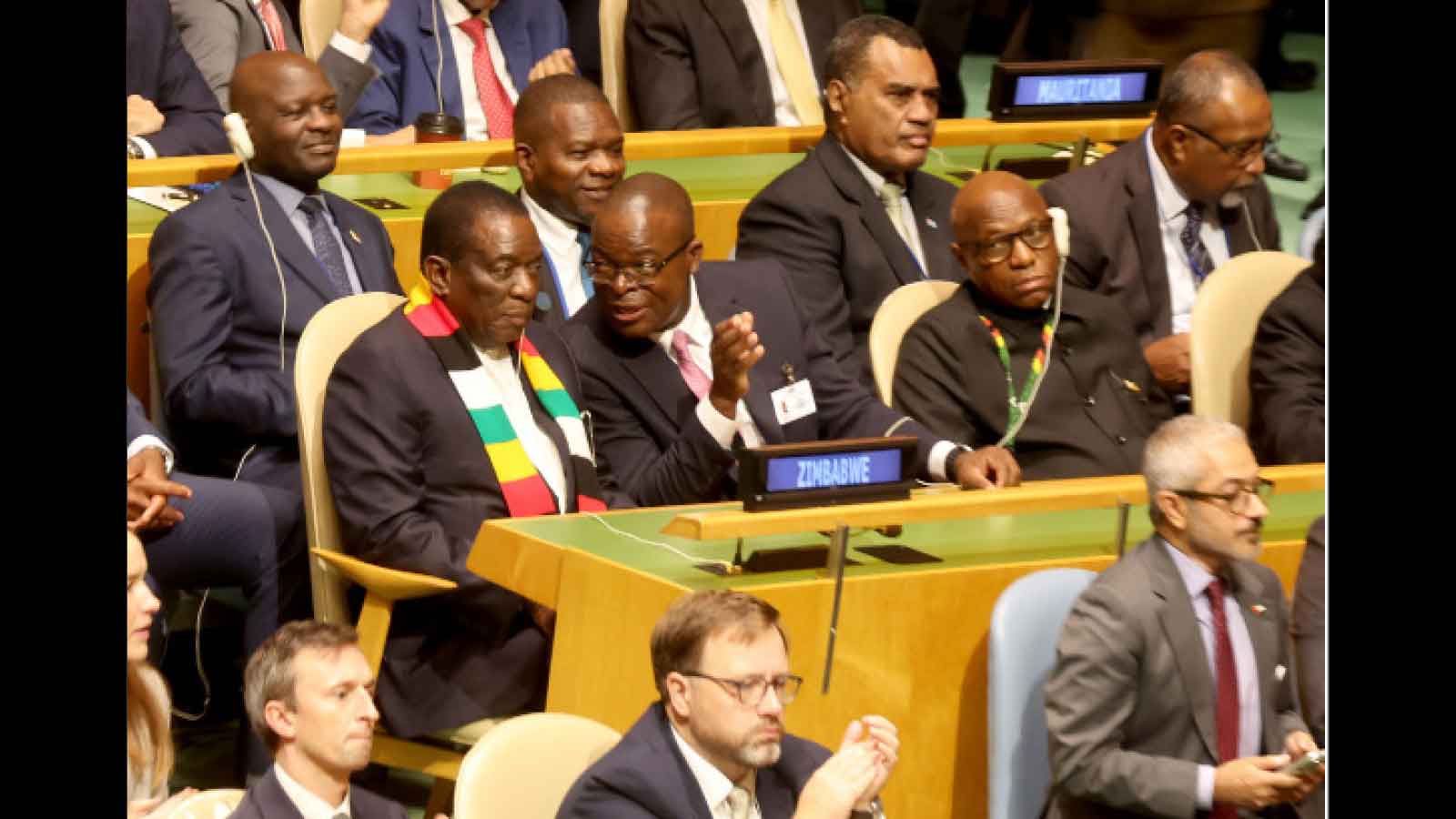
President Emmerson Mnangagwa has also warned businesses against profiteering tendencies, urging them to be considerate to consumers and desist from wantonly increasing prices. The CTC urged businesses to guard against collusion in light of the recent announcement of the recommended maximum prices as businesses have a tendency of charging the maximum price. It advised businesses to charge prices that facilitate competition process.
The competition watchdog, said in instances where players engage in price fixing by charging the same price despite their different business costs, they would have colluded. Historically, CTC has observed that whenever a ‘recommended maximum price’ is announced, retailers or wholesalers have a tendency to all charge that maximum price under the guise of complying with the stipulation,” it said.
“While players may use similar formulas to determine prices at which they sell their products, certainly two or more players cannot charge the same price for identical products, given the different overheads base, capacity utilisation levels, economies of scale and other costs incidental to operations.”


 Online Reporter