admin
admin
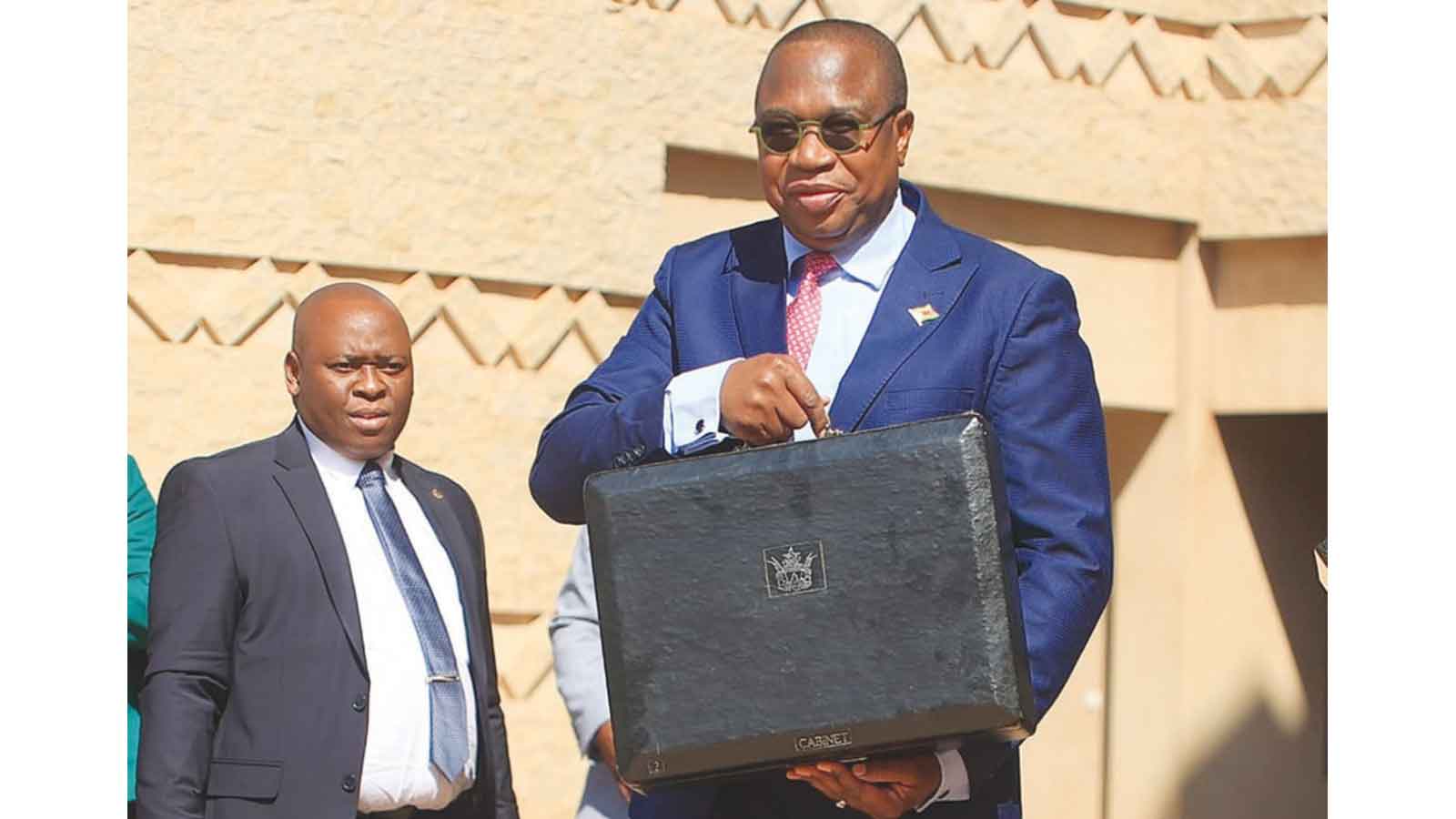
Minister Biti had initially provided US$3,4 billion for the 2012 Budget, but adjusted this after factoring in US$600 million expected from diamond sales.
This will be directed towards water and sanitation, health, infrastructure and energy sectors.
The economy, on course to achieve a 9,3 percent growth this year, will expand by 9,4 percent next year, driven by growth in agriculture and mining.
Inflation, presently at 4,2 percent, was expected to remain below 5 percent next year.
Minister Biti reintroduced duty on pre-packed rice, salt and flour by up to 15 percent while wheat flour will now attract five percent import duty.
However, bulk salt, rice and flour can still be imported duty free.
No duty will be charged for wheat imports.
Import duty on cooking oil and maize-meal will be maintained.
Zimbabwe has remained a “supermarket economy” as it plunged into a trade deficit of US$3,1 billion between January and September, having imported goods worth US$6,3 billion against exports of US$3,2 billion.
Of the total imports, finished goods accounted for US$2,7 billion while raw materials, intermediate and capital goods amounted to about US$361,4 million, US$2,5 billion and US$714 million respectively.
Vehicle imports and chemicals, including fuel, accounted for US$2 billion.
The high rate of imports against a sluggish growth in exports remained a challenge to the management of the current account.
The influx of imported goods presents unfair competition to local producers and denies them adequate latitude to recover.
Minister Biti announced a US$20 million job fund to support youths and retrenched workers which will be administered by Stanbic Bank.
About US$60 million will be disbursed under two facilities, the Zimbabwe Economic Trade Revival Facility and Distressed and Marginalised Fund. The funds will go towards revival of industry.
The minister also allocated US$100 million to the Reserve Bank of Zimbabwe to revive its lender of the last resort function.
Next year, Government will launch a three-year rolling financial package for agriculture since the budget is traditionally announced in November when the farming season would have started already.
The minister allocated US$226,7 million towards agriculture for the 2011/2012 farming season, US$50 million for irrigation rehabilitation, US$16,6 million for extension services and US$56 million for grain procurement.
Zimbabwe’s agriculture sector requires US$2 billion annually to operate at full capacity.
To improve revenue inflows from the mining sector, Minister Biti increased royalties on gold and platinum from 4,5 percent and 5 percent to 7 percent and 10 percent respectively. He noted with concern that revenue collection from mining royalties has remained low.
Between January and September this year, Government received only US$44,1 million for royalties compared to sales of US$1,7 billion.
“The resource rent collections are, thus, not commensurate with the value of the minerals extracted, especially in view of the surge in international prices of precious metals,” said Minister Biti.
The Ministry of Mines and Mining Development will soon be gazetting the new exploration fee structure to curb speculation.
In the 2011 budget, Zimbabwe received US$370,9 million in development assistance and next year pledges under the vote of credit will be US$618 million.
The money is expected to go towards the Child Protection Fund, Education Trust Fund, Health Transition Fund and Zim Fund to the tune of US$80 million.
Minister Biti said the Development Bank of Southern Africa was working on a US$1 billion fund for the country’s infrastructure development.
The education sector received the biggest allocation of US$707 million followed by health with US$345,6 million expected to go towards improving hospitals.
Minister Biti made no provision for the harmonised elections scheduled for next year but allocated US$30 million for the referendum to approve or reject the new constitution currently being crafted.
The 2012 national census was allocated US$12 million.


 Online Reporter