Chronicle Editor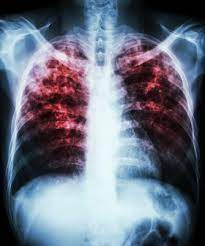
Angela Sibanda, Chronicle Reporter
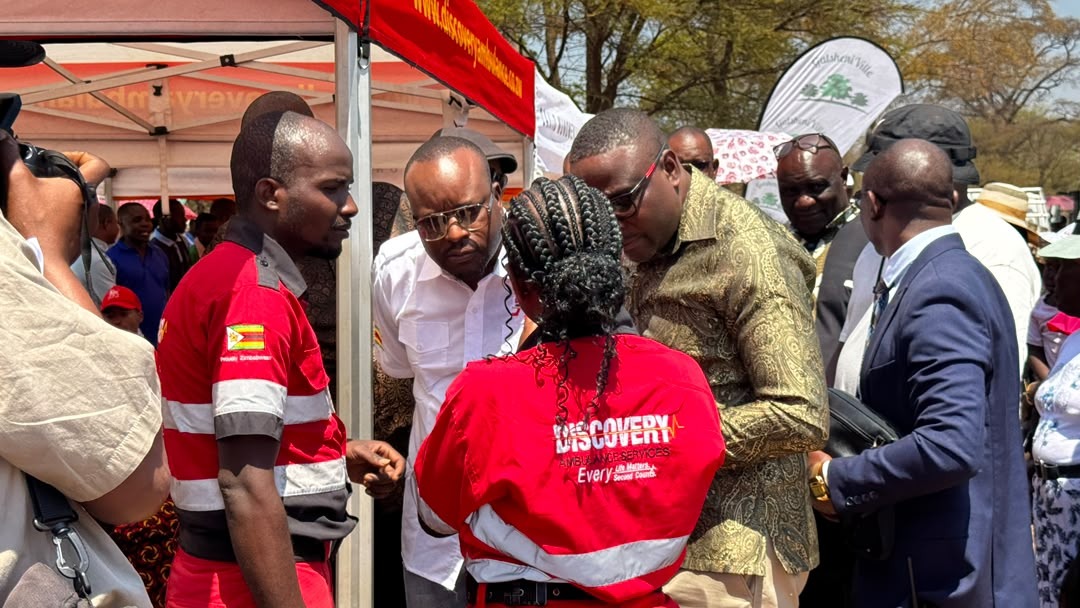
BULAWAYO residents are set to benefit from a free Tuberculosis (TB) screening mobile programme starting on Monday targeting groups which are at high risk of contracting the disease.
The groups include healthcare workers, people living with HIV, diabetic patients, miners and ex-miners, ex-prisoners, prisoners, prison workers and malnourished children as well as those who have lived or worked with someone who has TB.
The programme will be spearheaded by the Ministry of Health and Child Care in partnership with the Bulawayo City Council and ends on November 10.
In a statement, the Ministry said residents will also be offered free TB treatment during the programme.
On Monday the services will be accessible from Robert Sinyoka and then Old Pumula shops the following day.
Health teams will be at Ngozi Mine on November 3, Magwegwe on November 4, Esigodweni in Cowdray Park on November 5.
On November 6 and 7, the teams will be at Empompini and Focus area in Cowdray Park and on November 8 the team will be at Efusini Shops in Mzilikazi.
Killarney Squatter Camp will be covered on November 10.
In a statement yesterday, the Ministry said elderly people aged above 65 years and people living in crowded areas such as compounds and informal settlements will also be targeted.
“The following risk groups are encouraged to visit their nearest screening sites as per schedule to get screened for TB: healthcare workers, people living with HIV, diabetic patients, miners and ex miners (formal or artisan and small scale), ex-prisoners, prisoners, prison workers, malnourished children, those who have lived or worked with someone who has TB, elderly people above the age of 65 and people living in congregate settings (compounds, informal settlement, crowded areas),” read the statement.
TB remains one of the biggest killer diseases in Zimbabwe, especially among people living with HIV. Each day, close to 28 000 people fall ill to TB and nearly 4 000 people lose their lives to this preventable and curable disease globally.
In Zimbabwe, it is estimated that 29 000 people fell ill from TB in 2020 and about 6 300 of these succumbed to the disease.
While TB treatment and care is free in Zimbabwe, more than 80 percent of those in need of TB services face catastrophic costs in trying to access the services.
These costs include transport costs and food among others.
TB treatment can take anything from nine up to 12 months and sometimes the affected are tempted to default or delay treatment which often leads to deaths.


 Online Reporter