

 admin
admin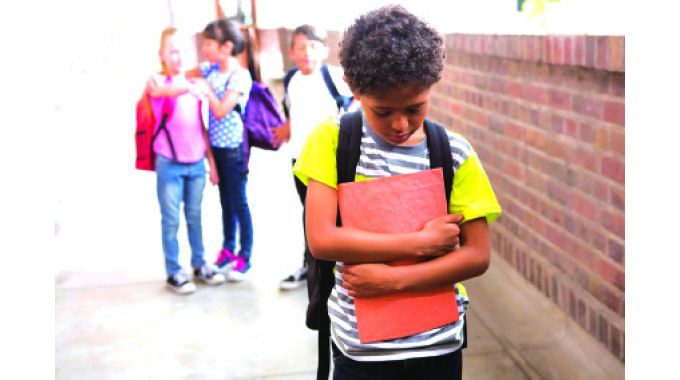
Phillipa Mukome-Chinhoi-Special Correspondent
Schools have closed and some children are so excited to be united with their families after 3 months away in boarding schools, even day scholars are happy to be away from school.
There are so many negative things which happen in schools, these kids need a break!
This year has been a painful one with a record of deaths due to bullying.
A 16-year-old schoolboy from Founders High School in Bulawayo was stabbed to death after confronting two other pupils from a neighbouring school for bullying his friend. Wayne Ndlovu, a Form 4 student, was stabbed on the neck and was pronounced dead on arrival at the United Bulawayo Hospitals.
Recently a 17-year-old Glen View student was stabbed to death in another bullying incident.
A very difficult situation for both parents. No one wants their child to be a killer and no one wants their child to be killed in such a way.
Once or twice or more times in a lifetime someone has been bullied or has bullied someone at school, at home and even at the work place.
Such behaviour has not been able to be eradicated because the perpetrators do it in places where they will not be seen and worse those who would have been bullied fail to report because of fear.
Such behaviour is repeated, or has the potential to be repeated, over time. Both kids who are bullied and who bully others may have serious, lasting problems, in most case some will commit suicide or will engage into drug use or may become very stubborn or aggressive.
Bullying is unwanted, aggressive behaviour among school children that involves a real or perceived power imbalance.
The horrible thing is its done in places where no one can even notice it.
Bullying is very common in most schools and this includes actions such as making threats, spreading rumours, attacking someone physically or verbally, and excluding someone from a group on purpose. This can be caused by imbalance of power, Kids who bully use their power such as physical strength, access to embarrassing information, or popularity to control or harm others.
Parents and teachers should always keep an eye on such behaviour because it will affect the child in class and the way they will perceive things in life. Close monitoring of children.
Our news crew visited the Rotten Row schools dropping point and met several school kids including Sheila Masamba (not her real name) from a boarding school outside Harare, who said her term was not a good one including several others as new form one students at the school.
“The first month was terrible as most senior girls came to our dorms with laundry to be washed and ironed. Those who refused would have water or mud splashed on their beds. This happened to me twice and I had to share a bed with a friend. l then decided to secretly report to the matron to avoid more trouble and after severe punishment for the culprits, the bullying stopped,” Sheila said.
One of the teachers Mrs Anna Murahwa (not her real name) said; “Bullying mostly occurred during or after school hours especially when teachers would have gone for a break or lunch. While most reported bullying happened in the dorms, study rooms, a significant percentage also happens in places like the playgrounds or at the canteen,” she said.
“Parents need to pay attention to bullying as a possible cause if their children’s behaviour changes from a positive place among their friends to be withdrawn” said Mrs Murahwa.
Parents can ask open-ended questions to help their children discuss a bullying situation. Start with questions that address the child’s environment.
Mrs Murahwa said parents should take the lead in asserting that bullying behaviour is not acceptable at school.
They should communicate with other parents, share information and talk to teachers and administrators when they suspect problems. This is getting out of hand as we are losing innocent lives,” she said
According to the World Health Organisation, bullying (including cyber-bullying) is unwanted aggressive behaviour by another child or group of children who are neither siblings nor in a romantic relationship with the victim. It involves repeated physical, psychological or social harm, and often takes place in schools and other settings where children gather, and online.
Youth violence is concentrated among children and young adults, occurs most often in community settings between acquaintances and strangers, includes bullying and physical assault with or without weapons (such as guns and knives), and may involve gang violence.
According to experts, parents are well within their rights to ask that the school take measures to address bullying and provide a safe environment. Many schools are proactive and may already have a policy in place.
Instead, parents, teachers and the school should work with their children and create a plan together to address both the immediate problem and long-term solutions.
Children should know that they can walk away or avoid bullying situations, and that they can and should talk to an adult, a teacher, parent or anyone else as soon as possible.
There should be no negative connotation or consequences associated with sharing information about a bullying incident.
It is important to remember that the pupil who bullies others has often been a victim of bullying.
Teachers should teach compassion, empathy and role-model behaviour.



 Online Reporter