Online Reporter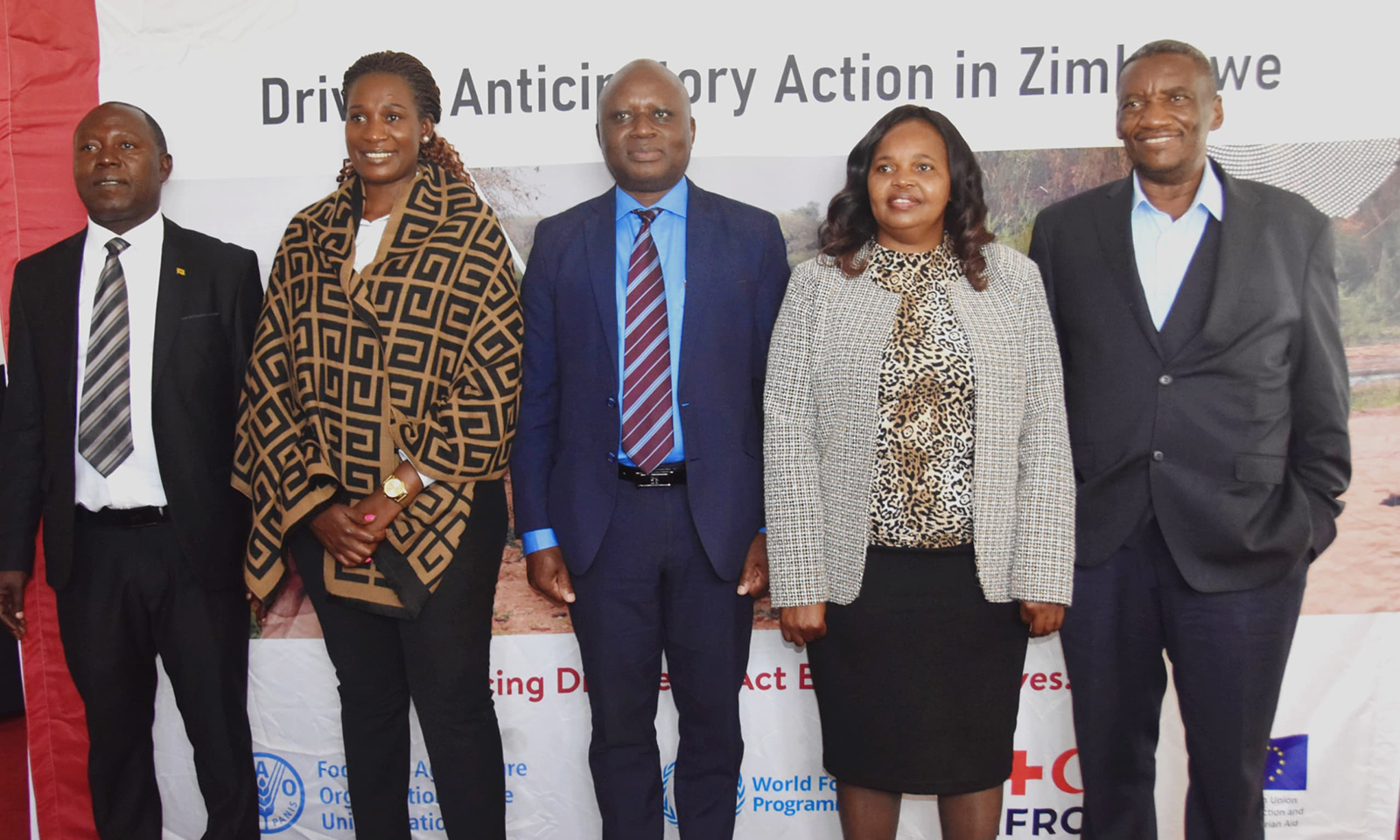
Theseus Shambare in BULAWAYO
ZIMBABWE’s disaster risk management systems are undergoing a critical transformation, with technology now central to how the nation anticipates and responds to emergencies.
In an interview on the sidelines of the ongoing two-day ‘Lessons Learned’ workshop in Bulawayo, Mr Nathan Nkomo, chief director for Disaster Risk Management in the Office of the President and Cabinet, commonly known as Civil Protection Unit (CPU), said the Government is shifting focus from simply responding to disasters to preventing them through data-driven early warning and technological innovation.
“We are moving away from disaster response and toward risk management,” Mr Nkomo said.
“This requires accurate forecasting, decentralised response teams and using tools like drones to assess and act before damage is done.”
He stressed the importance of Government leadership in this space.
“Yes, we welcome support from partners — but the Government must lead in identifying vulnerable areas and deploying resources where they are most needed,” he said.
He said that Zimbabwe’s forthcoming National Disaster Risk Management Strategy, which is expected to go before Cabinet, will be anchored on technology and local capacity building.
“Imagine where a road or a bridge is cut off — we will deploy drones to assess the area and relay data instantly to guide rapid intervention,” he said.
He added that the Government has already trained personnel to operate the drones, thanks to support from humanitarian partners under the European Union’s Humanitarian Aid Department (ECHO)-funded anticipatory action programme.
The Bulawayo meeting marked the conclusion of the two-year ECHO Anticipatory Action (AA) project, which was jointly implemented by the Food and Agriculture Organisation (FAO), World Food Programme (WFP) and International Federation of Red Cross and Red Crescent Societies (IFRC) in coordination with the Government.
Participants reflected on how anticipatory approaches — including real-time data analysis, community-based planning and multi-stakeholder coordination — are strengthening national disaster preparedness in the face of escalating climate-induced shocks.
FAO’s assistant country representative Tendai Munyokoveri explained: “Our focus was on six key areas, including risk analysis using satellite data, establishing trigger thresholds for drought and food prices and developing anticipatory action plans in districts like Matabeleland South and Manicaland.”
She said climate change is already shifting rainfall patterns in Zimbabwe and modern risk monitoring is essential.
“Communities must understand hazards in advance. Our job is to ensure that the early warning messages are not only accurate, but also accessible and actionable at the grassroots,” she said.
The programme also facilitated contingency planning and awareness campaigns, particularly in disaster-prone regions.
These interventions, Ms Munyokoveri said, helped bridge the gap between scientific forecasts and community-level decision-making.
“Imagine a world where communities are not just survivors, but prepared defenders,” she said.
“That is what anticipatory action enables — turning vulnerability into resilience.”
As part of the regional cooperation under the SADC disaster framework, Zimbabwe also contributed emergency personnel to cross-border response training, with a second cohort expected to begin in Nyanga this August.
The workshop also showcased a flood simulation exercise (SIMEX) and knowledge products developed during the project, including multimedia materials and evaluation reports.
As Zimbabwe finalises its Disaster Risk Management Bill, both the Government and partners agreed that institutionalising anticipatory action and embedding it in legislation is now not just strategic — it is urgent.