Online Reporter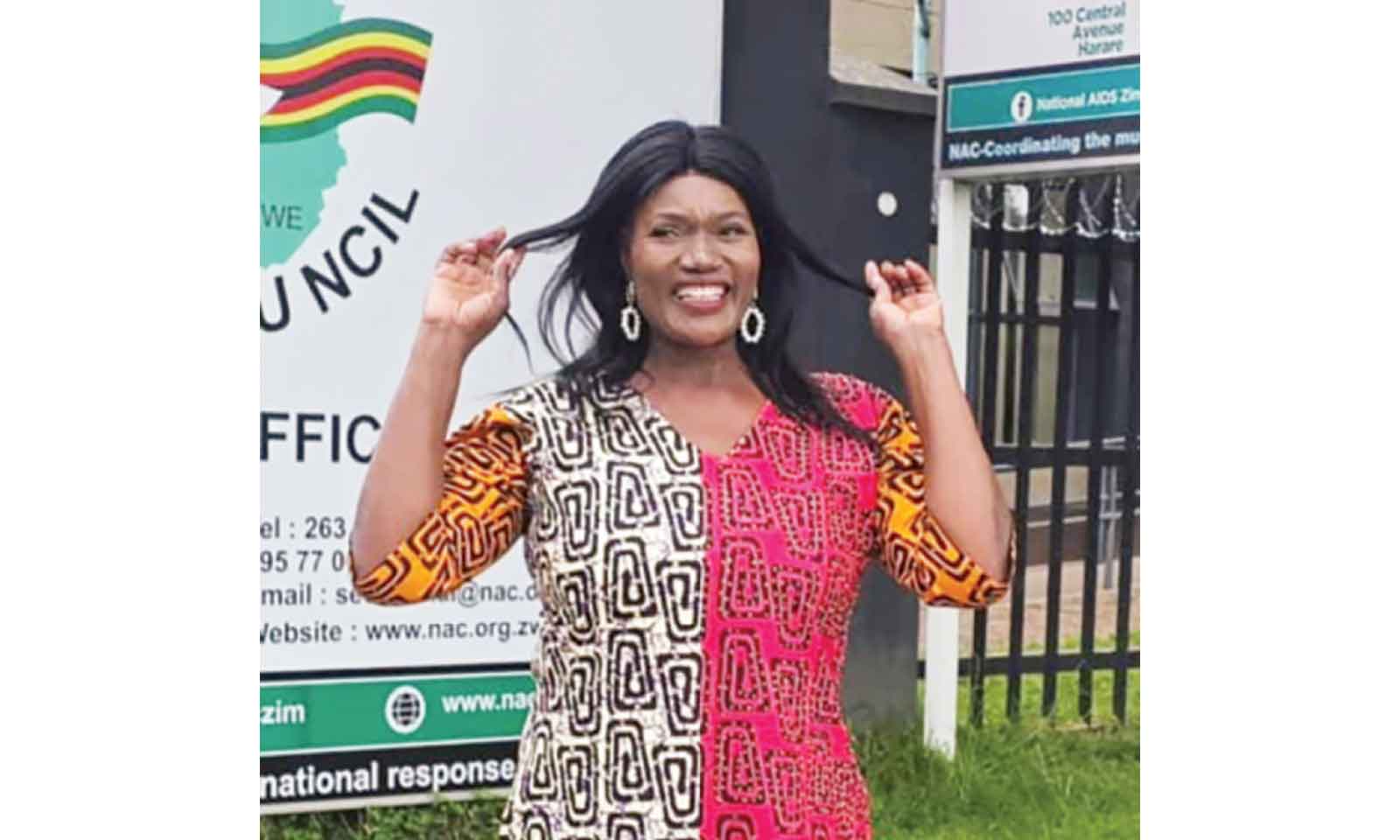
Trust Freddy
Features Writer
IN the history of Zimbabwe, the names Chidhumo and Masendeke are etched as symbols of those on death row — individuals whose end was certain, awaiting an executioner at an unknown hour.
For a long time, society unfairly cast HIV positive people and AIDS onto the “death row” category — people whose days were numbered, waiting for an executioner attacking from inside.
In the early 2000s, receiving an HIV-positive diagnosis in Zimbabwe felt less like a medical report and more like sure death.
For Tendai Westerhof, a celebrated model whose face graced the heights of the fashion industry, the news was a sudden, venomous strike.
Much like the biblical Apostle Paul on the island of Malta — who was bitten by a viper while gathering wood — the crowds around Tendai waited for her to swell up, collapse and perish.
They watched her with a mixture of pity and morbid curiosity, assuming her fate was sealed.
Her diagnosis was treated as a “death sentence”, a slow walk toward an inevitable end.
But Tendai has spent the last quarter-century tearing that script to pieces.
And 25 years later, the “venom” has failed to take her.
Today, at 60, Tendai stands not as a victim, but as a monument of resilience, proving that what was once feared as a death sentence is now a manageable chapter.
She was the face of beauty and success, which made the stigma she faced even more piercing.
While others in the spotlight chose to hide their status to protect their brands, Tendai chose a more radical path. She chose the truth.
“I just decided to reveal mine just to encourage others to know their statuses,” she says in a recent interview. “Never feel ashamed of yourself; you can help the next person.”
For nearly a year, Tendai kept her status a secret from everyone except her husband. During that time, she began a desperate search for answers.
“This was the first time I knew we had HIV service providers available in Zimbabwe,” she recalls. “I went to ask about HIV and each time I had to disclose my status. I wanted to know if I could live.”
Through counselling, she began to realise that she could live a normal life.
However, the path to survival was expensive. Antiretroviral therapy (ART) was not yet readily available, so she sourced her medication through the private sector at a high cost.
Beyond the financial burden, the social toll was devastating.
“At the family level, stigma affected me and exposed me to gender-based violence,” she shares. “I was blamed for bringing HIV into the marriage and it crumbled. Some relatives did not want anything to do with me when I disclosed my status.”
Today, Tendai has an undetectable viral load and an unshakeable sense of purpose. Her focus has shifted to Zimbabwean youths, whom she urges to protect their futures.
“There is life after an HIV-positive diagnosis,” she says. “But for youths of today, my message is: stay away from substance abuse. Too much alcohol clouds your judgment and makes you vulnerable. When you are intoxicated, you fail to use the protective strategies available to you.”
She is also a vocal advocate for youth-centred healthcare, calling for “open-door” policies where young people can access sexual and reproductive health information without judgment or labels.
“If we don’t give them information, they will get it from the internet or through AI. The youths are our future; we must invest in them.”
As Zimbabwe looks toward the global goal of ending the AIDS epidemic by 2030, Tendai is optimistic.
As of December 2025, reports indicate that Zimbabwe has surpassed the 95-95-95 targets, with data showing 97 percent of HIV positive people know their status, over 95 percent are on antiretroviral therapy (ART), and 96 percent of those on treatment have achieved viral suppression.
Tendai believes that the final milestone is within reach.
“By 2030, it is possible that if we continue to mobilise resources domestically, we can reach the next milestone — a future where every person knows their status, and every person who tests positive is immediately put on treatment,” she says.
For Tendai, her appointment to the National AIDS Council (NAC) board as a representative for HIV positive people has been a turning point.
She views her role not just as a position of authority, but as a vital link for advocacy.
“My experience adds value because I am collecting the voices of people living with HIV and bringing them to the table,” she explains.
“We are shaping the policies that ensure we stay alive, lead healthy lifestyles, and remain productive members of our country’s development.”
Tendai’s journey is also immortalised in her writing. Her semi-autobiographical novel, “Unlucky in Love”, uses the protagonist, Rumbidzai (Rumbi), as a transparent lens into Westerhof’s real-life experiences.
The book chronicles her transformation from a rural girl navigating the complexities of the city to a celebrity grappling with a public divorce from former Warriors coach Clemence Westerhof.