

 Online Reporter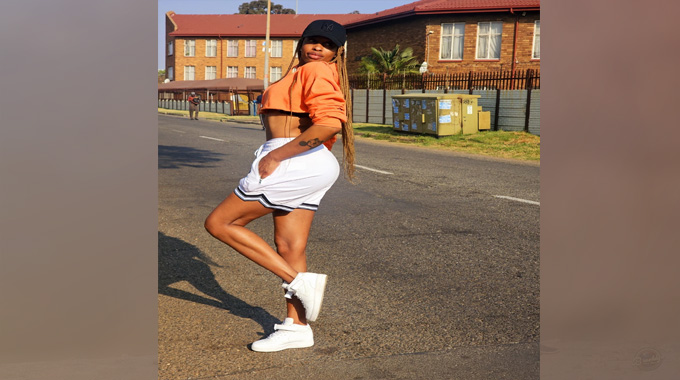
Stanford Chiwanga, Quality Editor
MOMENTS come when a music scene tilts on its axis, when a single artiste storms in and rewrites the rules. In Matabeleland, the arrival of Black Diva has been precisely that moment — a seismic blast of rhythm and bold rhetoric that has reconfigured the region’s cultural landscape. She is the daughter of insurgent spirit and melodic fire, a storm who dared to ask: “Is this Sandra Ndebele’s successor?”
Born Leslie Muleya in Insiza’s Shangani Mine, Black Diva rose like a phoenix from hardship. She walked 20 kilometres to school, juggled farm work with taking care of her grandmother, and taught herself to lead choirs despite the weight of early responsibility.
Today, she strides across YouTube like she owns it — with tracks like Thilo Lilo clocking a stunning 1,2 million views in mere months. Her channel boasts 10,9K subscribers and dozens of uploads ranging from Afro and Amapiano to rap and dancehall. This is not a cameo; this is a takeover.
Black Diva’s music isn’t just popular; it’s conversational. Thilo Lilo, featuring Slim Vevo and Rebo Dee, served not only beats but a narrative of cultural reclamation —and the people responded.
Screen captures show ecstatic fans, tearful mothers, and taxi drivers reliving their first listen. She followed with singles like Icilongo and Nyawo Zami, proving her range: gospel-infused street poetry and Basotho-laced rhythms, each earning thousands of streams and further cementing her place at the border of genres.
What really set tongues wagging wasn’t just her drop in sound, but the heat she brought in speech. In a frank and fiery social media rant, she lambasted Bulawayo fans for embracing “washed-up” South African artists while ignoring home-grown Matabeleland talent.
Her words split the region: comedian Jaro backed her call for equity, while rapper Awa Khiwe countered, sharing stories of alliances with SA acts like Sjava and Zakwe. But whether you cheered or cowered, you paid attention.
Her live performances have only amplified the buzz — and yes, invited critique. At the Honde Valley Marathon stage in the Eastern Highlands, a solo Black Diva performed without dancers or backing vocals, and sparked debate over her stage presence and attire. But rather than retreat, she leaned in — explaining that she gave all she had, told her truth, and let critics decide. The result? A mixed reception that was still hugely amplified.
There’s poetry in that: a woman who invites critique yet refuses retreat. She flies from Johannesburg into Bulawayo, the press hovers, the internet ignites, and fans pivot to watch her encore. She stands at a crossroads — will she step fully into Sandra Ndebele’s shoes as Matabeleland’s reigning stage queen, or carve a brand-new identity?
So far, the answer is clear: Black Diva is not just filling a space — she’s expanding it. Her music, her message, her momentum — they are all tangible, charged, courageous. One million YouTube views, a viral rant, and a live debut that rocked audiences and provoked conversation. In a region hungry for its own reflection, she holds up a mirror — and dares the world not only to look, but to listen.
In a soundscape driven by the safe and familiar, Black Diva is the curveball. In a scene too often muted, her voice is fierce. And in the struggle for Matabeleland’s cultural crown, one question looms larger than any lyric: Who will follow in Sandra Ndebele’s footsteps when reason alone won’t rouse the chorus?
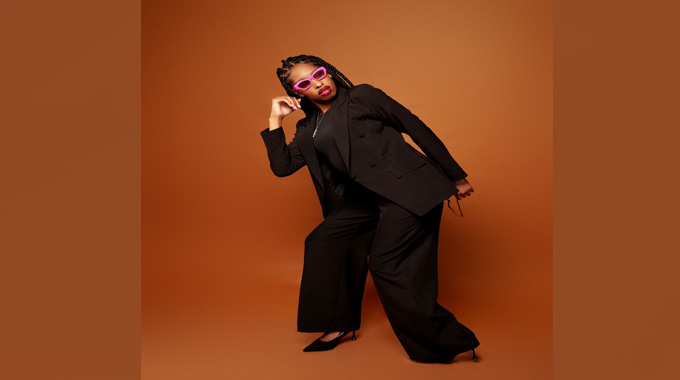
If 2025 belongs to one bold diva with the nerve to call out complacency, then Black Diva is not just her name — she’s the promise.
Her rise is not without symbolism. Sandra Ndebele once danced her way into the nation’s consciousness with flamboyant costumes and fearless choreography. Black Diva, by contrast, is a digital native — a queen of algorithms and hashtags.
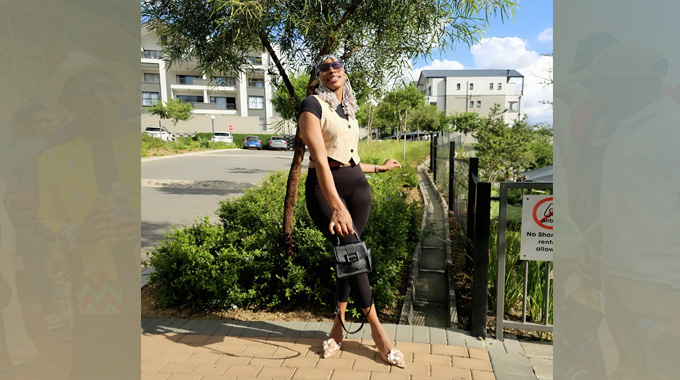
Where Sandra conquered stages, Black Diva dominates timelines. Her Instagram reels rack up tens of thousands of views; her TikTok snippets spawn dance challenges that ripple from Nkulumane to New York. She is not just performing; she is programming culture in real time.
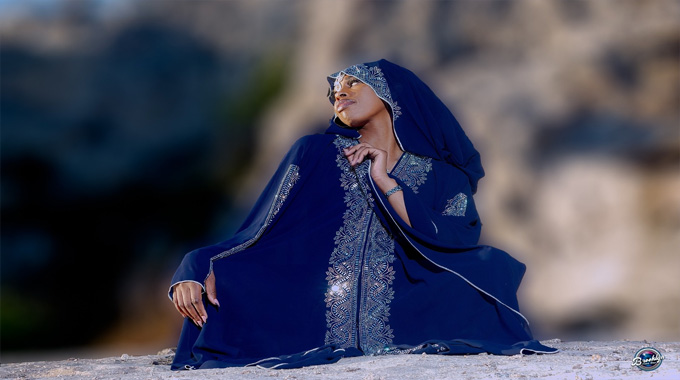
And then there’s her audacity. In an industry where silence is often mistaken for diplomacy, Black Diva speaks with the clarity of a klaxon. She calls out promoters for underpaying female artistes, questions why Matabeleland talent is treated as a sideshow, and demands that local radio stations stop recycling playlists like yesterday’s bread.
These aren’t tantrums; they are tectonic shifts. Every post, every tweet, every interview is a manifesto — a declaration that the era of polite invisibility is over.
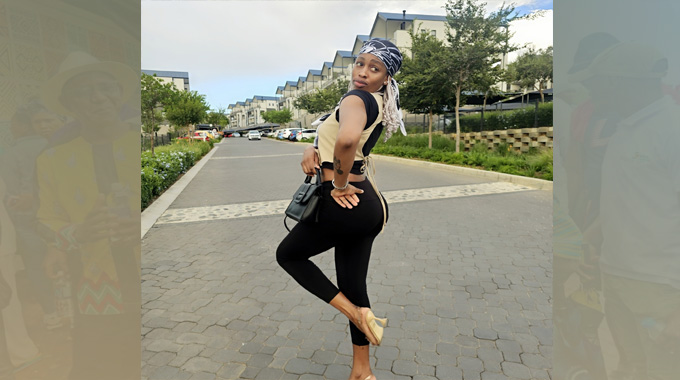
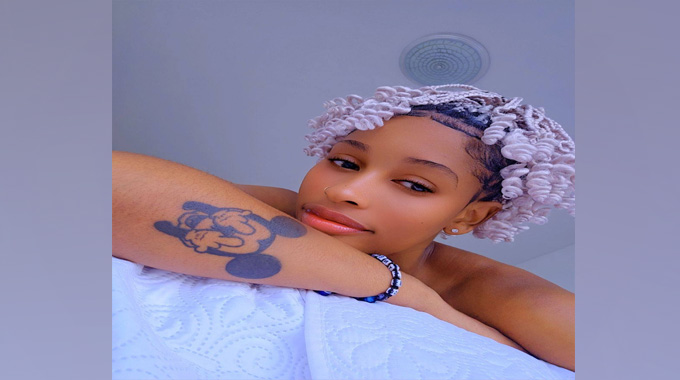
Her fashion sense deserves its own stanza. Bold prints, thigh-high boots, and hairstyles that flirt with futurism — Black Diva dresses like a headline. She understands that in the theatre of modern music, image is not an accessory but an artillery. And she fires it with precision, turning every appearance into a statement, every photo into a conversation starter.
Critics argue she courts controversy. Admirers counter that she courts change. Both are right. But in a cultural economy where relevance is the currency, Black Diva is liquid gold. She is the algorithm’s darling, the gossip columns’ muse, the fans’ obsession. And she is just getting started.



 Bongani Ndlovu