Online Reporter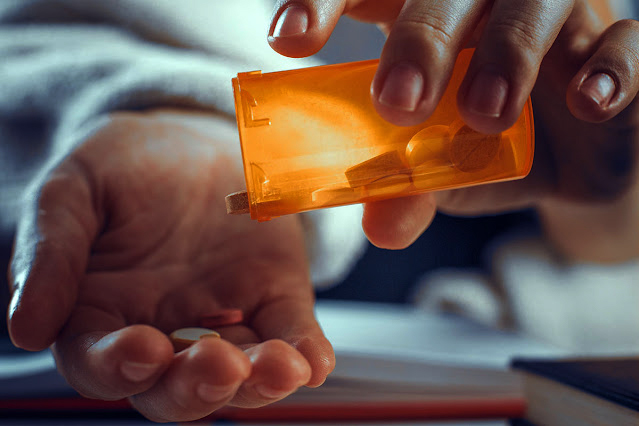
Dr Tendai Zuze
Health Matters
SELF-MEDICATION has become a widespread habit in many communities.
Faced with the pressure of daily life, long queues at clinics, and the cost of medical consultations, many people choose to buy medicines and treat themselves whenever they feel unwell.
For some, it starts with something as simple as taking a painkiller for a headache or reusing an old prescription for a cough.
For others, it involves going straight to a pharmacy or even buying drugs from the streets without any professional guidance.
Although this practice might seem convenient and affordable in the short term, it comes with serious health risks that can affect individuals, families, and even entire communities.
One of the greatest dangers of self-medication is the possibility of missing or masking a serious illness.
Symptoms such as headaches, chest pains, or persistent coughs may be warning signs of more dangerous conditions.
By treating these signs with painkillers or over-the-counter medicines, the real cause of the illness is left undiagnosed, and valuable time is lost. A patient who assumes that a stubborn cough will clear with antibiotics may, in fact, be suffering from tuberculosis or another serious lung disease. By the time they finally seek professional medical care, the disease may have advanced to a stage where treatment becomes more complicated and outcomes are poorer.
Another major problem is the misuse of antibiotics. Many people believe that antibiotics are a cure for any form of illness, including colds and flu, which are caused by viruses. This misconception leads to unnecessary use, and often, incomplete courses when patients stop taking the medicine as soon as they feel better.
Such practices fuel the global crisis of antibiotic resistance. In Zimbabwe and around the world, more infections are becoming difficult to treat because the bacteria no longer respond to commonly used medicines. What used to be simple infections are now turning into life-threatening conditions, all because of inappropriate use of antibiotics.
The side effects of drugs taken without proper supervision also pose a danger. Medicines that are safe for one person can be harmful to another. Painkillers, for instance, may seem harmless but can cause stomach bleeding, kidney damage, or allergic reactions.
Mixing drugs with alcohol, or combining several medications without knowing how they interact, can have serious consequences for the liver, the heart, and other vital organs. Sadly, many patients only learn about these dangers when complications have already set in.
Another worrying trend is the rise of drug dependence and abuse. Cough syrups, sedatives, and strong painkillers are being misused, particularly by young people. What starts off as a way to ease discomfort can quickly turn into addiction, leading to devastating consequences for health, education, and family life.
The growing number of people hooked on these substances is a silent crisis that is affecting not just individuals but the fabric of our communities.
Compounding the problem of self-medication is the mushrooming of unregistered and unregulated clinics.
Across many towns and cities, small health centres have sprung up, often run by unqualified personnel who offer cheap consultations and dispense medicines without proper checks. While these facilities may appear to fill the gap left by overburdened public hospitals, many of them expose patients to greater risks. In such settings, drugs may be counterfeit, expired, or given in the wrong doses. Patients often leave with injections or prescriptions that are unnecessary or even harmful. Worse still, the lack of proper record keeping and follow-up means that dangerous side effects or complications go unnoticed until it is too late.
The economic hardship faced by many families has certainly contributed to the rise in self-medication and the popularity of unregistered clinics. When money is tight, people often see a visit to a licensed medical practitioner as a luxury they cannot afford. Yet the cost of delayed or incorrect treatment often turns out to be much higher in the long run — both financially and in terms of health.
It is important to remember that medicines are powerful tools meant to be used responsibly. They should only be taken under the guidance of trained health professionals who can assess the patient, make a correct diagnosis, and prescribe the right treatment.
Protecting oneself from the dangers of self-medication requires discipline, awareness, and sometimes the courage to resist the temptation of taking shortcuts.
Communities should also play their part by discouraging the sale of medicines on the streets and reporting unregistered clinics that put lives at risk.
Self-medication and drug misuse may appear to provide quick relief, but the risks far outweigh the benefits.
By treating ourselves without proper knowledge, we endanger our health and increase the burden of disease in society. Medicines should heal, not harm. The safest path is always to seek advice from qualified medical professionals, because your health is too precious to gamble with.
For more on self-medication issues contact [email protected]