admin
admin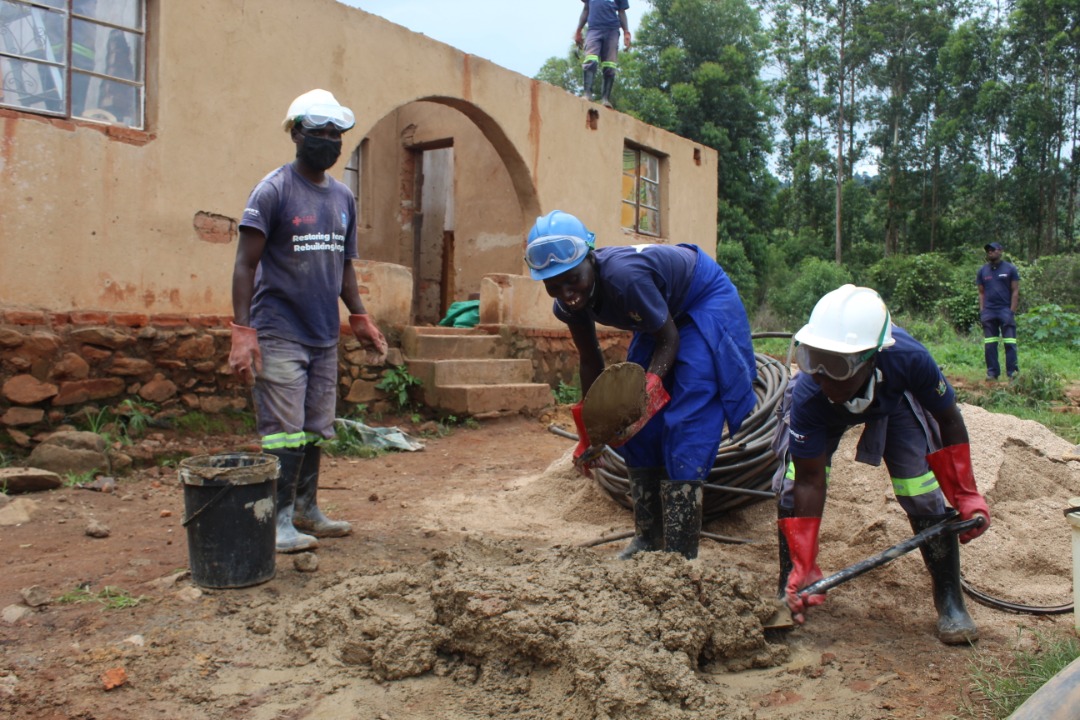
Tendai Gukutikwa
Post Correspondent
ASPIRING councillor, Ms Jane Chitsuro wipes sweat from her face before smiling as she prepares food for her surviving children just outside her temporary tent in Chimanimani.
She lost her youngest child, a year-old toddler to the devastating Cyclone Idai in 2019. Her seven-roomed house in Ngangu high-density suburb was one of the many houses that were swept away by the deadly cyclone. She has endured a lot, one might conclude.
Unlike other female survivors in Chimanimani who shun participating in politics, Ms Chitsuro had aspirations of becoming a councillor for her ward in 2018, aspirations which she still harbours for the 2023 harmonised elections.
Following the destruction of her house and loss of the bulk of her wealth, resources she believed would help her in her political journey, her aspirations are fluctuating.
The 42-year-old woman’s biggest fear is having no-one turning up to vote for her on election day if she and her family still do not have a permanent roof above their heads by 2023.
Ms Chitsuro’s family, like many other families, were still housed in tents in Chimanimani, almost two years after the disaster, until earlier this week when they were moved to evacuation centres in fear of the looming Tropical Depression Chalane.
“I still want to be a councillor and if all goes well, I have plans to contest in the 2023 elections. I know the road will be bumpy for me as I do not have enough resources to back my aspirations. Judging by the way others look at us the Cyclone Idai victims, I doubt anyone will vote for someone living in a temporary shelter. Who will vote for a tent dweller?” she asks before bursting into a raucous laughter.
She, however, believes that being one of the survivors and having experienced the disaster and staying in the tents, she will be a better candidate to represent her fellow women and those who were affected by the cyclone in the local authority.
“I believe participating in politics can empower women, especially us who were affected by the cyclone. It will also give us the platform to air our views as well as address our concerns,” she said.
Another survivor, Ms Clara Vheremu who stays in Chikukwa area, said her story is quite different.
They travel more than 15km just to get to the nearest polling station in their Ward 10.
“You cannot expect us to vote when the polling stations are far away from us. During the recently held Zanu PF District Coordinating Committees (DCC) elections, some had to travel more than 15km just to cast their votes. I did not bother travelling such a long distance because I had work to do to provide for my family,” said the 44-year-old widow.
Ms Vheremu is an assistant builder and has so far assisted in building more than 167 houses in the district.
Out of the 6 800 candidates who contested in the 92 Local Government seats across the country, only 1 156 were women and from the 1 156, only one was from Chimanimani District.
Sadly, Chimanimani no longer has a female representative in the local authority as Councillor Tendai Nyabanga from Ward 16 passed on early this year and was replaced a male candidate.
In an interview with The Manica Post, Chimanimani West legislator, Cde Nokuthula Matsikenyeri, bemoaned the absence of female representation in Chimanimani Rural District Council.
This comes at a time when the Government is tirelessly working to comply with the African Union Charter as well as the Southern African Development Committee Charter which require member states to progress towards a 50-50 gender parity.
Through the SADC Charter, member states are committed to increase and improve women’s representation in all structures of governance and decision making in all spheres to at least 50 percent.
Likewise, the African Union charter seeks to promote gender equality in political participation.
Despite Government’s efforts, Chimanimani District has 23 male councillors.
At the recently held First Women Councillors Indaba in Victoria Falls, President Mnangagwa encouraged local women to take up leadership positions in Local Government, a move that has been lacking in Chimanimani District.
“Women and girls bear the brunt of poor service delivery by our local communities. The need for participation of women in the delivery of these services through actively participating in decision making at all levels is therefore disputable,” he said.
During the indaba, women councillors called for the introduction of a system that will ensure that at least 30 percent of seats in local authorities are reserved for women.
However, Cde Matsikenyeri expressed concern on the lack of interest being displayed by Chimanimani women, both rural and urban in politics.
She called for more awareness campaigns for women to stand up for their rights and being active political players.
“They know best what is lacking in their communities and what they need. If they represent themselves say in Local Government, then we are guaranteed that their concerns will be heard and eventually addressed,” she said.
Chimanimani District Development Coordinator (DDC), Mr Joseph Manyurapasi, said to ensure that everyone participates in the harmonised elections, polling stations will be located in areas where everyone will have easy access.
“At most, three to four polling stations will be availed in each ward for the harmonised elections,” he said.
He also said as part of efforts to encourage women to participate in politics, his office encourages women to participate in development programmes in their respective areas.
“Although it is not within our jurisdiction to involve women in political matters, we are encouraging them to participate in development programmes like chairing village development committees, water centre committees and other programmes being carried out in their respective areas. We believe that ultimately if they are able to lead such programmes, they will aspire to occupy higher offices,” he said.
Ward 10 councillor, Cllr Eddie Njanji who replaced the late Cllr Musukutwa, said: “I think there is need for to have representation in local governance issues because they are usually the people on the ground. They know the challenges facing their respective communities. Their participation will surely bring the desired results.”



 Online Reporter