Online Reporter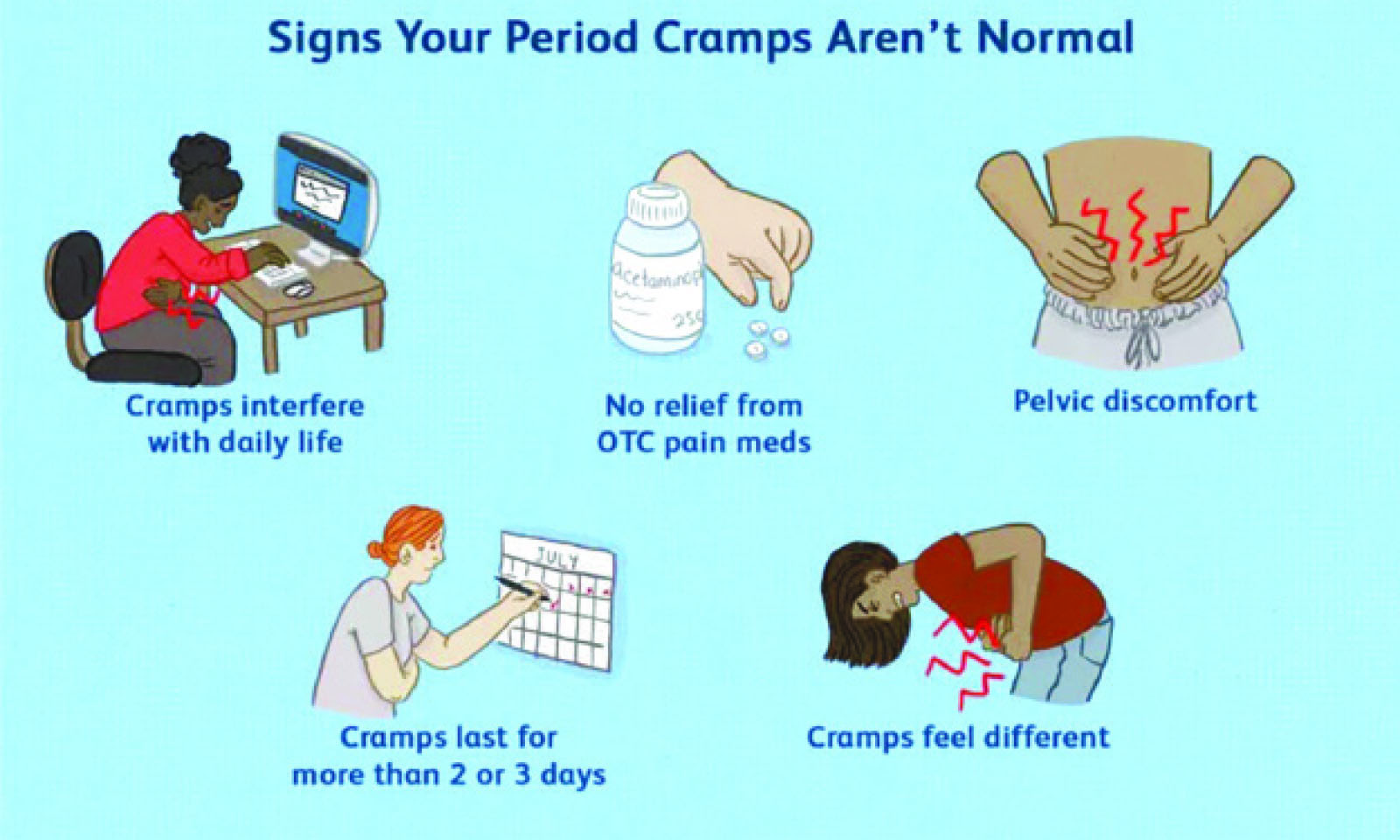
Rumbidzayi Zinyuke
Health Buzz
AT the tender age of 10, Aisha got the shock of her life when her first period suddenly came.
With little knowledge about this phenomenon, she could only sit there and wonder what was happening to her. To make it worse, the bleeding was accompanied by a sharp relentless pain that gripped her abdomen moving towards her back and thighs.
She was at school when this happened, and her teacher, seeing her distress, sent her home.
At home, her mother handed her a hot water bottle and some painkillers.
“It’s just part of being a woman,” she said dismissively.
Now aged 20, Aisha is at university and has learned to mask her monthly struggle.
She has mastered how to hide the pain that still arrives with the same cruel precision each month.
On her worst days, she skips class and spends two days in the hostel, fighting the urge to vomit. She has never been diagnosed with any specific condition, but her symptoms, chronic cramps, nausea, and fatigue, mirror those of so many other girls and women who see their monthly period.
And her quiet pain is a reflection of how society has normalised pain that would, in any other context, demand medical attention.
Period pain (menstrual cramps), clinically known as dysmenorrhea, is one of the most widespread yet misunderstood health conditions affecting women and girls who menstruate.
Menstrual cramps happen when a chemical called prostaglandin makes the uterus contract (tighten up). During menstruation, prostaglandin levels are higher, which means the uterus contracts more strongly causing the cramping and discomfort.
Studies conducted between 2002 and 2011 showed that the prevalence of dysmenorrhea varied between 16 percent and 91 percent in women of reproductive age, with severe pain in 2 to 29 percent of the women studied.
However, despite its prevalence, it continues to be downplayed, trivialised or outright ignored. For many girls, menstrual pain is not merely an inconvenience or a dull ache, it is a recurring physical assault.
The pain typically begins just before one’s period and subsides after a few days. While nearly every woman experiences some discomfort during menstruation, studies suggest that up to 20 percent suffer from pain so severe it disrupts their daily lives.
The physical symptoms, ranging from sharp cramps to back pain, nausea, diarrhoea, and migraines, are compounded by emotional distress. Hormonal shifts can induce mood swings, anxiety, and fatigue. Together, these symptoms can render even the most mundane tasks like getting out of bed, going to work or engaging in conversation unbearably difficult.
Dysmenorrhea manifests in two primary forms
The more common is primary dysmenorrhea, which typically begins in adolescence and occurs without any underlying disease. This is pain that comes back every time a woman gets their period. The pain usually begins one or two days before they get their period or when the bleeding actually starts. It is associated with pain ranging from mild to severe in the lower abdomen, back or thighs. The pain usually subsides within two or three days.
Secondary dsymenorrhea, on the other hand, is often a symptom of deeper medical issues such as endometriosis, fibroids, or pelvic inflammatory disease. Pain from secondary dysmenorrhea usually begins earlier in the menstrual cycle and lasts longer than typical menstrual cramps. The pain here is not only more intense but often more persistent, and can signal a significant underlying health concern.
These can include endometriosis, a condition where the tissue lining the uterus (the endometrium) grows outside of the uterus which bleeds during one’s period, causing swelling, scarring and pain.
Adenomyosis is a condition where the lining of the uterus grows into the muscle of the uterus. This condition can cause the uterus to get much bigger than it should be, along with abnormal bleeding and pain.
Fibroids (benign tumours) are noncancerous growths on the inside, outside or in the walls of the uterus.
Pelvic inflammatory disease (PID) is an infection caused by bacteria that starts in the uterus and can spread to other reproductive organs. PID can cause pain in the stomach or pain during sex.
Cervical stenosis is a condition where the cervix narrows due to surgery, treatment or other condition.
It can also be caused by congenital conditions, which one can be born with and can cause painful menstruation. This may include an irregularly shaped uterus or other conditions affecting the ovaries or fallopian tubes.
Anyone can have painful periods but there is a higher risk of this among girls who get their first menstrual period before age 12, women who are younger than 20 or those whose periods are heavy or last longer than seven days. Other risk factors include cigarette smoking and having a biological parent who also has dysmenorrhea.
The fact that nearly all women can experience some form of period pain has over the years made it an acceptable ‘women’s problem’.
But the impact of period pain has largely become invisible such that many women suffer in silence.
In schools across the world, girls miss valuable learning time each month, often without adequate support or understanding. A 2016 UNESCO report underscored that menstruation, and particularly menstrual pain, remains a leading cause of absenteeism among adolescent girls, especially in communities where access to menstrual products or healthcare is limited. Yet these absences are rarely treated with the same seriousness as other health-related interruptions.
In the workplace, the effects of period pain ripple quietly through professional performance and opportunities. Women, like Aisha, routinely push through their pain in silence, afraid to appear weak or unprofessional.
A Dutch study published in BMJ Open found that menstruation-related symptoms cost women an average of nine days of productivity per year. Yet few employers account for this hidden burden, and fewer still offer policies that acknowledge menstruation as a legitimate health issue.
The healthcare system, too, often fails women with chronic menstrual pain. Endometriosis, for instance, affects an estimated 1 in 10 women globally, yet it remains notoriously difficult to diagnose and treat.
Many patients report years of being dismissed, misdiagnosed, or told their pain was “normal.” It’s not uncommon for women reporting menstrual pain to be prescribed birth control as a default solution without thorough investigation, or worse, to be accused of exaggerating their symptoms.
Beyond the physiological toll, period pain has profound implications for mental health and self-worth. Living with chronic pain each month can foster feelings of helplessness, depression, and isolation.
The cyclical nature of the condition creates a looming sense of dread, as many women plan their social lives, work schedules, and even major decisions around their menstrual cycle. For some, the anticipation of pain is as crippling as the pain itself.
Adding to this burden is the societal stigma that surrounds menstruation. In many cultures, menstruation is still considered a taboo topic, cloaked in secrecy and shame. Girls grow up internalising the idea that their pain is a private matter, not to be spoken of publicly.
The silence, however, is beginning to break. In developed countries like Spain, menstrual leave policies have been introduced, sparking debate about how workplaces can better accommodate reproductive health.
Grassroots campaigns and social media movements are empowering women to share their stories, advocate for better care, and demand that menstrual health be treated with the seriousness it deserves. Closer to home in Africa, while there is some progress in recognising the debilitating effects of menstrual pain, much still needs to be done.
It is imperative for the medical community to be better equipped to identify and treat menstrual disorders. Employers must also create environments that are inclusive and understanding of menstrual health. And perhaps most critically, there is a need to change the cultural narratives that teach girls and women to equate pain with femininity, endurance with strength.
For too long, society has treated period pain as an invisible issue. But when something affects half the population every month, it’s not just a women’s issue, it’s a public health concern, a human rights issue, and a call to action.
Fast facts
Period pain, also known as menorrhoea or menstrual cramps, is a common experience characterised by pain in the lower abdomen during menstruation. It’s typically felt as muscle cramps that can radiate to the back and thighs. While mild to moderate cramps are normal, severe pain can interfere with daily life.
Causes and Symptoms:
Uterine contractions: During menstruation, the uterus contracts to shed its lining, causing muscle cramps.
Prostaglandins: These chemicals, produced by the uterus, can also contribute to pain and inflammation, leading to cramps.
Other symptoms: Along with abdominal pain, other symptoms can include lower back pain, nausea, diarrhoea, headaches, and dizziness.
Severity: The intensity of pain can vary, ranging from mild discomfort to severe spasms that disrupt daily activities.
When to Seek Help:
Severe pain: If the pain is so intense that it interferes with daily activities, consult a doctor.
Other symptoms:
If you experience heavy bleeding, irregular periods, or other unusual symptoms, it’s important to seek medical advice.
Underlying conditions: Some medical conditions, like endometriosis or uterine fibroids, can also cause severe period pain.
Management and Relief:
Over-the-counter pain relievers: Ibuprofen and other anti-inflammatory drugs can help reduce pain and inflammation.
Heat therapy: Applying a heat pack or warm compress to the abdomen and lower back can soothe muscle cramps.
Exercise: Regular physical activity can help relieve pain and improve overall well-being.
Relaxation techniques: Meditation and other relaxation techniques can help manage stress and reduce pain.
Hormonal contraception: Birth control pills and other hormonal methods can help reduce period pain and regulate menstrual cycles.
- Feedback: [email protected]