Online Reporter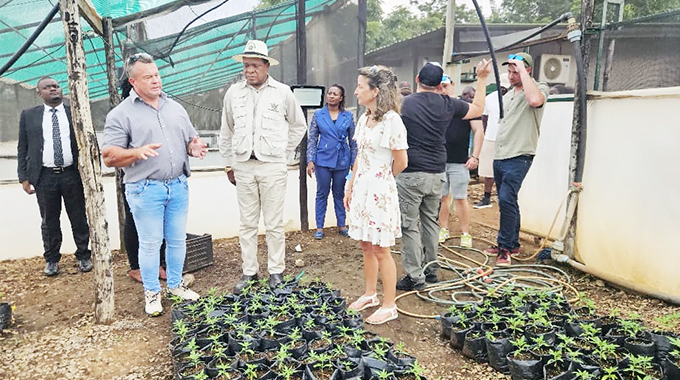
Andile Tshuma, Zimpapers Writer
ZIMBABWE’S cannabis sector is entering a new phase of industrialisation as the country positions itself strategically to tap into niche medicinal and manufacturing markets through aggressive value addition and beneficiation to unlock the crop’s full economic potential.
This comes after Lands, Agriculture, Fisheries, Water and Rural Development Minister, Dr Anxious Masuka, toured a cannabis production project in Bulawayo on Friday, where he stressed that the future of the industry lies beyond cultivation.
The minister’s visit to Thathokuhle Farm, a cannabis project run by Mr Mike Querl, highlighted the decisive shift from growing cannabis for raw flower sales to a model driven by extraction, processing and manufacturing of high-value products.
Dr Masuka said beneficiaries of cannabis licences must position themselves to produce oils, concentrates, medicinal formulations, nutritional products and industrial derivatives if Zimbabwe is to compete globally, saying primary production alone will not transform the economy.
“The intention of doing value addition rhymes with the President’s thrust under the rural food systems transformation agenda,” he said.
“Cannabis must follow a full value-chain approach if it is to contribute meaningfully to the economy. The value is at the subsequent nodes of the value chain I’ve seen here that they are also collaborating with successful enterprises in South Africa and are able to get the skills required so that they can accelerate the value addition and beneficiation.
Therefore, I look forward to coming back and seeing that progress,” said the minister.
He urged established farmers in the region and beyond to set up a training school to bring in more players into their fold, including women and youths, in order to grow the country’s cannabis sector and get more from it.
“Hemp and cannabis are new industrial crops as we call them and as the Government we have put up structures and institutions to support farmers to create the regulatory and policy environment required to catalyse the transformation,” said Dr Masuka.
“I think there’s a Statutory Instrument that is coming now. I chair the hemp and cannabis industrial working group, where we have all the Government agencies including the Medicines Control Authority of Zimbabwe, Agricultural Marketing Authority and all the other value chain actors. We have an active grower group within that so that we have this collective approach to developing the industry,” said the minister.
He warned that selling raw cannabis flower leaves farmers vulnerable to price fluctuations and middlemen, while processed products fetch exponentially higher returns, urging farmers to deepen beneficiation.
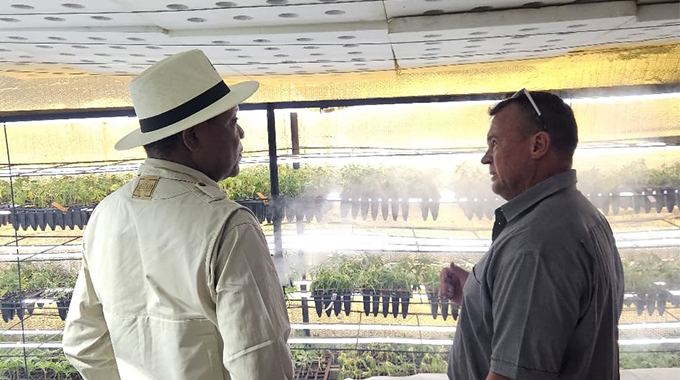
Leading the minister through his premises, Mr Querl said Zimbabwe possesses natural advantages, the perfect climate, soils and the ability to grow year-round, but the real opportunity lies in beneficiation.
“People are buying the flower cheaply, but when we extract and process it into oils and finished products, the value multiplies. That is where the real benefit lies for Zimbabwe,” he explained.
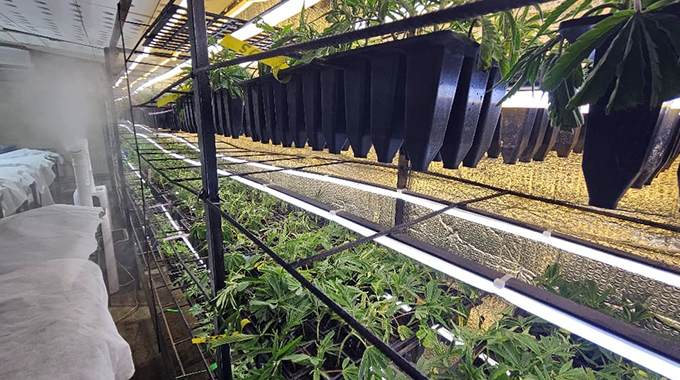
Cannabis from his farm goes through specialised nursery phases, controlled cultivation, and laboratory extraction, a process that transforms raw biomass into high-value oils used for pharmaceuticals, wellness, nutrition, industrial lubricants and cosmetics.
Industry experts highlight huge earnings potential with cannabis production and value addition in the country.
South African extraction specialist, Mr Dylan Thackwray, said Zimbabwe stands on the edge of a lucrative frontier if it prioritises processing and product diversification.
“This is a very lucrative industry worth billions. Extraction, manufacturing and value addition are where the money is,” he said.
The official added that Zimbabwe could build strong synergies with experienced regional players, enabling faster integration into global supply chains. Experts have identified cannabis production as a strategic pillar for agricultural industrialisation, with value chains cutting across the pharmaceutical industry and beyond.
Dr Masuka said cannabis value chains align with the broader national push for agricultural beneficiation, a central pillar of Vision 2030, which seeks to build rural industries, create jobs and increase export competitiveness under the second phase of the country’s economic blueprint – National Development Strategy 2 (2026-2030).
The minister also reiterated that Zimbabwe’s agricultural sector must transition from commodity trading to exporting processed goods, noting that cannabis provides one of the clearest opportunities to achieve this.
Global demand reinforces the opportunity that farmers have to transform this industry in the country. With the global cannabis industry valued at over US$60 billion and projected to surpass US$200 billion by 2033, Zimbabwe is strategically placed to capture niche medicinal and industrial markets, but only if it focuses on beneficiation.
The minister’s tour at the Cannabis farm in Douglasdale underscored a clear national message that Zimbabwe must move from just growing cannabis to manufacturing with cannabis.