

 Online Reporter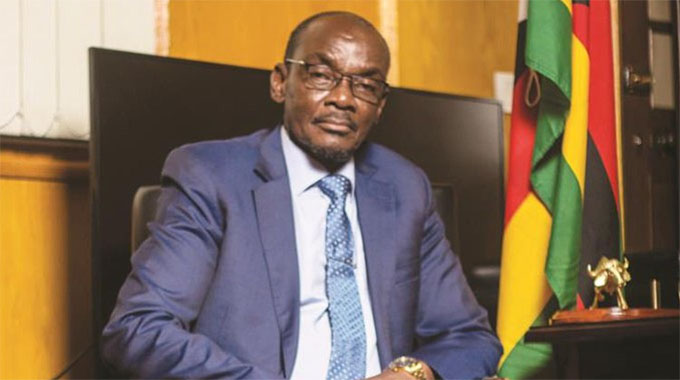
Robin Muchetu, Health and Gender Editor
ZIMBABWE’S liberation story is incomplete without honouring the heroic contributions of veteran nationalist Cde Angeline Masuku, who played a pivotal role in the fight for independence, Vice-President Kembo Mohadi has said.
VP Mohadi visited the revered liberation stalwart at her Warringham home just outside Bulawayo, after learning that she had not been feeling well.
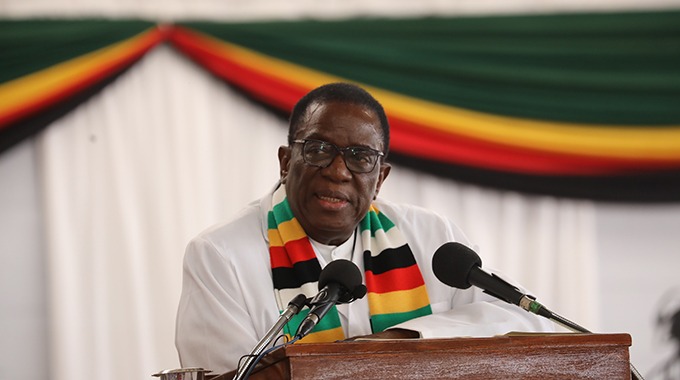
His visit follows a similar one by President Mnangagwa in 2021, during which the two discussed a wide range of issues.
Speaking during the visit last Wednesday, VP Mohadi described Cde Masuku as a living embodiment of the country’s history, a woman whose life is woven into the fabric of Zimbabwe’s freedom.
“I have come to see my sister, and I’m happy to find her in high spirits and smiling. There is no story of Zimbabwe that can be told without the mention of Cde Angeline Masuku,” he said.
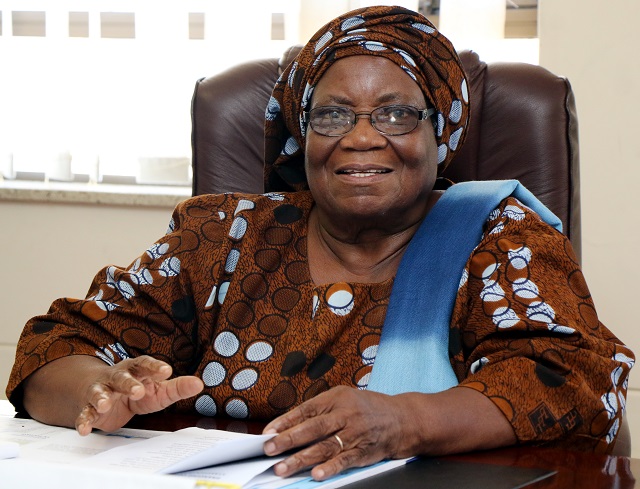
“Cde Masuku is not just part of the history of Zimbabwe, but she is the history of this country. She lived it, not read it like most of us.”
VP Mohadi reminisced about the sacrifices and shared experiences of the liberation struggle that led to the country’s independence in 1980.
“You see us all here, we are walking in her footsteps. She is our icon, a stalwart of the liberation struggle. Cde Masuku served alongside many comrades who have since departed, and we continue to cherish her wisdom and guidance,” he said.
With the nation preparing to mark Independence Day on Friday, VP Mohadi urged young people to take inspiration from Cde Masuku’s life, marked by courage, resilience and deep patriotism.
He urged young people to understand the importance of sacrifice and national pride.
“This country can only be built through the determination of its youth. You didn’t live through the pain and struggle, but because of our sacrifices, you now enjoy a free Zimbabwe,” he said.
“Ask her (Cde Masuku) what she did for this country, and she’ll say, ‘I liberated my country’. What will your generation say it did for Zimbabwe?”
Cde Masuku, visibly moved by the visit, welcomed the Vice-President with a warm smile and reflected on the long road to independence and the enduring need for unity and vigilance.
“I’m excited to have been visited by the Vice-President of the Republic of Zimbabwe. When we talk of the independence of Zimbabwe, we’re talking about the liberation of its people.”
Quoting the late Vice-President Dr Joshua Nkomo, affectionately known as uMdala Wethu, she stressed the importance of unity in diversity.
“Umdala used to say, ‘Zimbabwe is one.’ Yes, we have many cultures and languages, but we must remain united. Even when we differ, we are Zimbabweans first,” said Cde Masuku.
She urged the youth to safeguard the country’s hard-won freedom and to carry the torch of economic liberation forward.
“Let us protect our independence. It should stand as a symbol of the sacrifices made not just by us, but also by those who are no longer with us,” she said. “There’s still much to liberate, especially economically,” said Cde Masuku.
Turning to the future, she challenged young Zimbabweans to preserve the gains of independence and build a strong economy.
“We’re now talking about the economy, and that economy belongs to young people. Are you following in the footsteps of the President and other leaders, or are you straying? If we lose our way, we lose Zimbabwe.”
In a light-hearted moment, Cde Masuku presented VP Mohadi with a live chicken, which is a traditional gesture of respect and affection.
“He loves chicken. Is this the biggest one? Let me feel its weight. Yes, it’s a heavy one!” she said with a chuckle, prompting warm laughter from the Vice-President.
Cde Masuku was trained as a teacher but soon abandoned her profession to join the liberation struggle in 1963. She became politically active through PF-Zapu and quickly rose through the ranks, eventually becoming Secretary for Bulawayo District in the North-West Province during the Rhodesian era, a key role at a time when nationalist activism was being heavily repressed under the colonial Ian Smith regime.
Her passion for justice and the liberation of the black majority saw her cross the border into Zambia, where she joined the Zipra military training camps. She became one of the very few women to take up active roles in the war, often operating in administrative and intelligence units that were vital to the guerrilla war effort.
A former Politburo member and current Zanu-PF Council of Elders member, Cde Masuku was also part of the PF-Zapu delegation in the historic negotiations that culminated in the signing of the Unity Accord between Zanu (PF) and PF-Zapu on December 22, 1987, which laid the foundation for national peace and reconciliation.
After independence in 1980, Cde Masuku continued her service to the nation in various political and administrative roles. She was appointed as Governor for Matabeleland South, becoming the first woman to hold the post of Provincial Governor in Zimbabwe. She was later appointed Minister of State for Bulawayo Provincial Affairs and Devolution under the Second Republic.
Her leadership was marked by a deep commitment to grassroots development, women’s empowerment and national healing, especially during the post-conflict years following the signing of the Unity Accord.


