Siphakeme .Mnindwa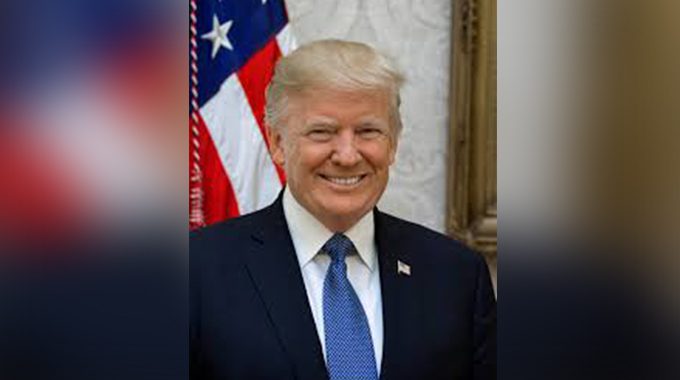
Mashudu Netsianda, [email protected]
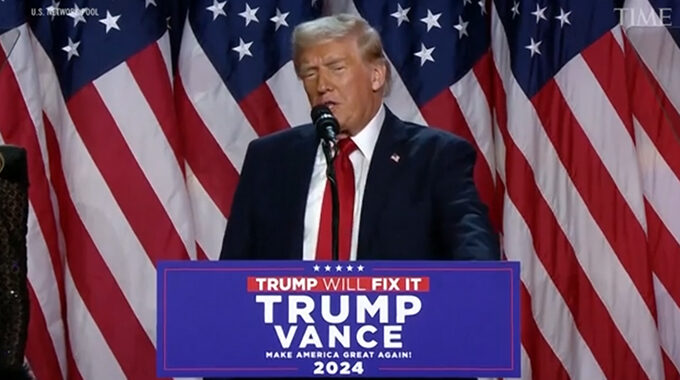
JUST hours after his inauguration on January 20, United States President Donald Trump signed an executive order beginning his country’s withdrawal from the World Health Organisation (WHO). This move marked Trump’s second attempt to pull the US out of the United Nations agency, after an initial effort during his first term was reversed by his successor Joseph Biden.
Trump has long criticised WHO for what he perceives as its failure to implement urgent reforms and for what he has described as an “onerous” financial contribution by the US. The WHO, founded in 1948, comprises 194 member states working collaboratively to combat global health challenges, improve health security, and support vulnerable populations worldwide.

The organisation’s work spans a broad spectrum, from tackling communicable and non-communicable diseases such as Covid-19, Zika, Mpox, HIV and Aids, heart disease, diabetes, and cancer, to responding to emerging health threats and pandemics. WHO also plays a crucial role in delivering vaccines, combating malnutrition, and providing technical assistance in war-ravaged regions. With a biennial budget of US$6,8 billion, the US has traditionally been one of its largest contributors, accounting for about 18 percent of total funding.
Over the years, WHO’s contributions to public health have been significant, including the eradication of smallpox, a 99 percent reduction in polio cases, and major reductions in malaria and trachoma, the leading cause of blindness. The organisation has also been instrumental in establishing landmark agreements such as the 1978 Alma-Ata Declaration on primary health care, the 2003 Framework Convention on Tobacco Control, and the 2005 revision of the International Health Regulations, which define global responsibilities in health emergency preparedness and response.
Some of the major roles that the global institution plays include detecting, monitoring, and responding to emerging health threats, pandemics, and diseases of importance, and we saw that during the Covid-19 crisis.
President Trump’s decision to withdraw from WHO will have far-reaching consequences. The biggest immediate impact will be the loss of US funding, which could cripple vital health programmes, particularly in Africa, where WHO supports disease surveillance, maternal and child health initiatives, and vaccine distribution. The withdrawal could also hinder ongoing efforts to combat malaria, tuberculosis, and HIV/Aids, leading to an increase in preventable deaths and illnesses.
The Johns Hopkins Bloomberg School of Public Health notes that the US’s decision to leave the UN agency would also have broad negative impacts on the health, security, and well-being of Americans.

The ripple effects will be felt in the US health security and pandemic preparedness. WHO plays an essential role in supporting agencies such as the Centres for Disease Control and Prevention (CDC), the National Institutes of Health (NIH), and the Food and Drug Administration (FDA) in disease prevention, pandemic preparedness, and outbreak response. The US withdrawal could, therefore, also weaken the US’s ability to respond to global health threats in a timely and co-ordinated manner, leaving the country vulnerable to emerging infectious diseases.
Beyond health, the withdrawal has wider geopolitical implications. The WHO membership enables the US to engage in diplomatic conversations with countries it may not have direct political agreements with. Health diplomacy has historically served as an entry point for global engagement, facilitating wide-ranging discussions on trade, security, and economic co-operation. Severing ties with the WHO could in the long run isolate the US, reducing its influence in shaping global health policies and responses.
Moreover, withdrawal could be economically costly for the US given that WHO plays a pivotal role in global disease surveillance and research collaboration. Without access to WHO data, US scientists and public health officials are likely to face major delays in receiving crucial information about new disease outbreaks, affecting the country’s ability to develop timely responses, which has an economic bearing on the country.

For instance, where a new disease emerges, the US would have limited visibility, restricted access to pathogen sequencing, and no role in shaping global containment and mitigation strategies. This could ultimately result in higher healthcare costs and economic losses due to uncontained outbreaks.
For Africa and the wider Global South, the US withdrawal from WHO threatens to disrupt critical health programmes. Many African nations heavily rely on WHO’s support for vaccination campaigns, epidemic response, and healthcare infrastructure development. Without US funding, these programmes may face cutbacks, leading to gaps in immunisation coverage, weakened disease surveillance, and increased mortality rates.
WHO, in a recent statement, noted with deep concern the implications of the immediate funding pause for HIV programmes in low- and middle-income countries. These programmes provide access to life-saving HIV therapy to more than 30 million people worldwide. Globally, 39,9 million people were living with HIV at the end of 2023.
A funding halt for HIV programmes is likely to put people living with HIV at immediate increased risk of illness and death and undermine efforts to prevent transmission in communities and countries. Such measures, if prolonged, could lead to rises in new infections and deaths, reversing decades of progress and potentially taking the world back to the 1980s and 1990s when millions died of HIV every year globally, including many in the US. WHO has since called on the US government to enable additional exemptions to ensure the delivery of lifesaving HIV treatment and care.
The US President’s Emergency Plan for Aids Relief (Pepfar) has been a flagship initiative of the global HIV response since its establishment over 20 years ago. The current funding pause for Pepfar will have a direct impact on millions of lives that depend on the predictable supply of safe and effective antiretroviral treatment.
Pepfar works in over 50 countries around the world. Over the past two decades, Pepfar funding has saved more than 26 million lives. Pepfar is providing HIV treatment for more than 20 million people living with HIV globally, including 566 000 children under 15 years of age. Over the past year, Pepfar and partners, including WHO, have been working on sustainability plans with countries for greater country ownership and reduced donor support up to and beyond 2030.
WHO further noted that a sudden and prolonged stop to programmes does not allow for a managed transition and puts the lives of millions at risk.
The Zimbabwean Government has since acknowledged the potential impact of the US’s withdrawal from WHO on the country’s health sector and assured the nation that domestic resource mobilisation efforts will be intensified to bridge the gap. The move, which also includes a freeze on new spending for foreign aid projects, threatens to disrupt the supply of antiretroviral drugs (ARVs) and other essential resources for Zimbabwe’s HIV, tuberculosis (TB) and malaria programme.

Finance, Economic Development and Investment Promotion Minister, Professor Mthuli Ncube, speaking during the recent World Economic Forum in Davos, Switzerland, proposed earmarking specific taxes, such as a sugar content tax and a proposed levy on fast foods, to bolster health funding.
He emphasised the urgency of preparing for reduced external support, particularly for critical programmes like Pepfar, which has yet to issue an official update on its funding status.
According to UNAids, Zimbabwe has made remarkable strides in combating HIV, achieving the UNAids “95-95-95” targets alongside Botswana, Eswatini, Rwanda, and Tanzania. These targets ensure that 95 percent of people living with HIV know their status, 95 percent of those diagnosed are on treatment, and 95 percent of those on treatment have suppressed viral loads.
However, the country remains heavily reliant on donor funding.
Globally, the withdrawal raises concerns about leadership in global health governance. The US has historically played a leading role in global health initiatives, and its departure from WHO could create a vacuum that other nations, such as China, may seek to fill. This shift could also alter the balance of power in global health decision-making, with long-term consequences for international health co-operation and crisis response. China has already increased its contributions to WHO, and a diminished
US presence may cede leadership to Beijing, shifting the priorities and strategic direction of global health efforts. In the broader context, the US’s withdrawal could also embolden other nations to disengage from multilateral health efforts, weakening the global response to pandemics and health crises.
The Covid-19 pandemic demonstrated the necessity of international co-operation in managing outbreaks, and WHO played a central role in coordinating vaccine distribution and public health measures. A fragmented global health landscape could leave humanity less prepared for future crises.
If President Trump believes US contributions to WHO are too costly, the alternative could be far more expensive in the sense that the US would lose its influence in critical global health decisions, face greater challenges in responding to international disease threats, and risk increasing health disparities both domestically and abroad.
Health security is not just a national issue, but a global imperative. Disease outbreaks do not respect borders, and the US’s absence from the WHO discussions could leave it blindsided by emerging health crises. While the financial cost of membership may seem high, the cost of disengagement could be even greater in terms of both human lives and economic consequences.
The decision to withdraw from WHO is not just about dollars; it is about diplomacy, security, and the fundamental principle of global solidarity in the face of shared health challenges. Reconsidering this decision may be in the best interests of both the US and the world at large.


 Online Reporter