Online Reporter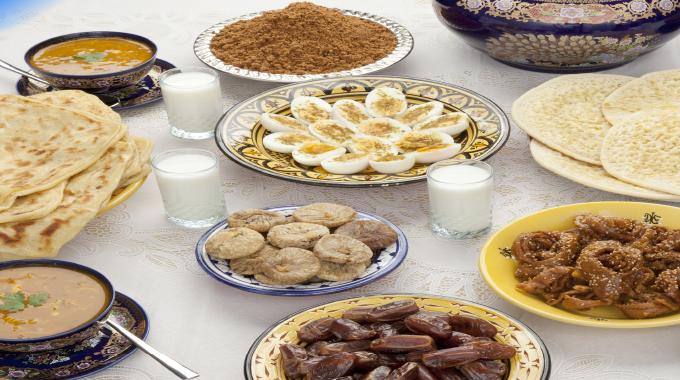
EID UL FITR, often referred to as the “Festival of Breaking the Fast,” is one of the most significant celebrations in the Islamic calendar. It marks the end of Ramadan, a month dedicated to fasting, self-discipline, spiritual reflection, and acts of charity. Eid ul Fitr is not only a joyous occasion but also a deeply meaningful one, symbolising renewal, gratitude, community, and compassion.
The arrival of Eid ul Fitr is determined by the sighting of the new moon, which signals the end of Ramadan and the beginning of the new Islamic month of Shawwal. This transition from fasting to celebration is itself symbolic. Throughout Ramadan, Muslims abstain from food and drink from dawn until sunset, using the time to deepen their faith and strengthen their moral character. Eid represents the successful completion of this spiritual journey. It is a moment of triumph, reminding Muslims of their ability to exercise patience, self-control, and empathy.
A central aspect of Eid ul Fitr is gratitude. Muslims begin the day with special prayers held in mosques or open grounds, praising God for giving them the strength to complete Ramadan. These prayers instil a sense of humility and thankfulness, reinforcing the idea that spiritual success is a blessing rather than a personal achievement alone.
The emphasis on gratitude extends beyond the prayer ground, as families gather to share meals, exchange greetings, and express appreciation for one another.
Charity is another cornerstone of Eid ul Fitr. Before the Eid prayer, Muslims are required to give Zakat al Fitr, a form of charity intended to help those in need participate in the celebrations. This act ensures that no one is left behind during a time of joy. It highlights the social dimension of Eid, encouraging generosity, community support, and social equity. In this sense, Eid ul Fitr strengthens communal bonds and reminds Muslims that compassion and responsibility towards others are essential elements of their faith.
The festive atmosphere of Eid also plays an important cultural and social role. Families prepare special meals, wear their best clothes, and visit relatives and friends. For many, it is a time to reconnect, resolve misunderstandings, and strengthen family ties. Children, in particular, look forward to receiving gifts or money, known as Eidi, which adds to the happiness of the occasion. These traditions contribute to a sense of belonging and continuity, bridging generations and creating lasting memories.
Beyond its religious duties and cultural traditions, Eid ul Fitr carries a universal message. It celebrates hope, renewal, and the triumph of good intentions. It reminds people of the importance of empathy, self-improvement, and generosity — values that resonate far beyond the Muslim community. In a world often marked by division, the spirit of Eid encourages harmony, understanding, and kindness.
In essence, Eid ul Fitr is far more than a festive holiday. It is a profound expression of faith, unity, and human compassion. Through its prayers, charity, and celebrations, it reaffirms the values that lie at the heart of Islam and inspires millions around the world to strive for a more thoughtful, generous, and peaceful way of life.