

 Online Reporter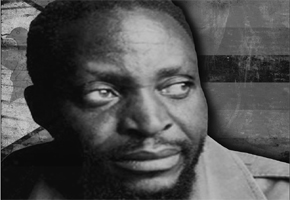
Remember Deketeke, Correspondent
THE legacy of the late ZANLA commander, General Josiah Magama Tongogara (pictured left), remains a guiding pillar of Zimbabwe’s liberation ideals, national unity and post-independence development, as the country continues to consolidate the gains of the liberation struggle.
Information, Publicity and Broadcasting Services Minister Dr Jenfan Muswere said this during the memorial service of the late liberation icon at the National Heroes Acre yesterday.
He said the commemoration was a moment of deep national reflection on the sacrifice, commitment and foresight that underpinned Zimbabwe’s fight against white settler colonialism.
Dr Muswere said the 46th commemoration of the liberation struggle was not only about remembering fallen heroes, but also about regenerating the revolutionary consciousness that inspired young men and women to rise against a racially oppressive and economically exclusionary system.
“The liberation struggle was fought against a white, racist, imperialist settler regime that had entrenched itself through unjust policies and legislation such as the Land Tenure Act and the Land Apportionment Act, which dispossessed indigenous black people of land, wealth and freedom,” he said.
Dr Muswere described the late Gen Tongogara as a leader who embodied sacrifice and selflessness, noting that his commitment to the liberation of Zimbabwe transcended personal ambition.
“As we commemorate the late chairman of the Command Defence Forces Zimbabwe, we also commemorate the supreme sacrifice paid by our gallant sons and daughters,” he said.
“General Tongogara led from the front. He mobilised thousands of young men and women to commit themselves to the liberation of this country.”
Dr Muswere said the late commander was among the pioneers of the armed struggle, whose leadership helped shape the direction and discipline of the liberation forces, working alongside other senior cadres, including President Mnangagwa.
He said historical records and interviews revealed that General Tongogara and his contemporaries travelled to countries such as China, not in search of personal fortune, but to acquire the technical and military expertise necessary to free Zimbabwe from colonial rule.
“Their explicit objective was clear, to liberate the country so that all Zimbabweans, black or white, young or old, could enjoy the fruits of freedom in a sovereign nation,” he said.
Dr Muswere said land repossession was central to Gen Tongogara’s vision, adding that the struggle for land was inseparable from the broader quest for self-determination and economic justice.
He said the late liberation commander also championed unity, stressing that the eventual unification of ZANLA and ZIPRA into the Zimbabwe National Army reflected a shared national purpose that transcended political and military divisions.
“Unity was a strategic pillar of his thinking. His diaries and historical accounts show that the major objective was not personal power, but the creation of a democratic, free and prosperous Zimbabwe,” he said.
Dr Muswere said Gen Tongogara’s selflessness was evident in his expressed willingness to forgo positions in the post-independence governance structure, as long as the country attained freedom and democracy.
Linking the liberation legacy to present-day developments, Dr Muswere said the Government, under the leadership of President Mnangagwa, was advancing the unfinished business of the liberation struggle through land reform, food security and economic empowerment.
He said the success of the land reform programme had transformed Zimbabwe’s agricultural production, citing increased wheat output from about 90 000 tonnes to over 600 000 tonnes, achieving national food security sufficiency.
Dr Muswere said mechanisation had also expanded significantly, with the number of tractors increasing from about 2 500 to more than 16 000, strengthening agricultural productivity and rural development.
“These achievements are directly linked to the objectives of the liberation struggle, the reclamation of land and the empowerment of indigenous Zimbabweans,” he said.
Dr Muswere said the Government was now finalising the land reform chapter through the issuance of title deeds, a move aimed at cementing land ownership and unlocking further economic value for beneficiaries.
“As young people born after independence, we are beneficiaries of the sacrifices made by General Tongogara and his generation. It is our duty to defend, advance and protect the gains of the liberation struggle,” he said.
Dr Muswere said the memorial service was a reminder that the values of sacrifice, unity and commitment to national development remained relevant as Zimbabwe forges ahead in its journey towards inclusive growth, leaving no one and no place behind.



 Bongani Ndlovu