Vusumuzi Dube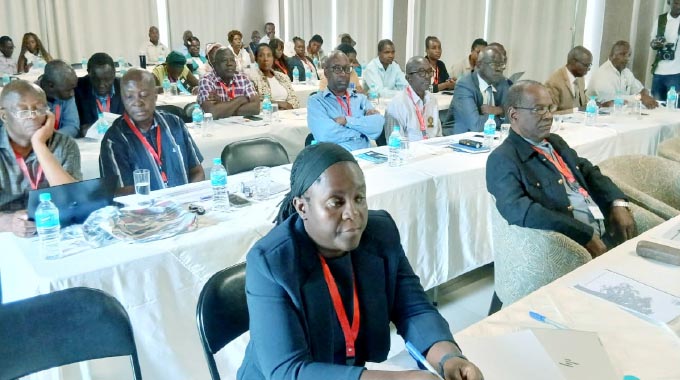
Fairness Moyana, [email protected]
THE University of Zimbabwe (UZ), in partnership with the International Alliance for the Protection of Heritage (ALIPH), has embarked on a three-year project to conserve key heritage sites in Hwange.
The initiative, running from 2026 to 2029 under UZ’s Archaeology Unit in the Faculty of Humanities, focuses on three major dry stone-walled sites — Bumbusi, Matowa and Shangano — all recognised as significant components of Zimbabwe’s historical architecture.
The project began with an inception workshop attended by Chiefs Whange and Mvuthu, community elders, conservation experts and national heritage partners, including NMMZ, Zimparks, Nambya traditional leadership and local residents. Participants discussed the importance of safeguarding the sites, emphasising their cultural value.
Bumbusi, located in the Sinamatela area of Hwange National Park, features extensive stone terraces and historic structures. Shangano, in the Chilanga communal lands, is regarded in Nambya history as the first capital of the pre-colonial Nambya state. Matowa, closer to Main Camp, later became another political and spiritual centre before the seat of authority shifted to Bumbusi. Together, the three sites form a significant heritage landscape.
Project director Professor Plan Shenjere Nyabezi outlined the purpose of the initiative.
“The workshop aims to bring all stakeholders together so that we can start together, we can be reading from the same hymn and be able then to run smoothly for the successful implementation of the project, as well as sustainability during and after the project,” she said.
The three sites fall under the Zimbabwe Tradition, known for its dry stone architecture and linked to the broader Great Zimbabwe civilisation, which spanned several centuries. According to Nambya oral traditions, Shangano preceded Matowa, which in turn preceded Bumbusi, forming a historical timeline of political and spiritual authority.
NMMZ deputy director Kundishora Chipunza highlighted the national importance of conserving the sites.
“The Nambya monuments actually mark the extension of the Great Zimbabwe Civilisation to north-western Zimbabwe, and that’s very critical. The maintenance, management and restoration of these monuments will enhance Zimbabwe’s understanding of the extent of the Zimbabwe Civilisation, particularly as it pertains to its expansion into the north-western region,” said Chipunza.
He added that the project aligns with the institution’s mandate under the National Museums and Monuments Act and supports national development goals under NDS1 and NDS2.
The first phase of the project will focus on community engagement. Prof Shenjere Nyabezi said the team will begin by consulting residents and assessing the impact of climate change on both built and cultural heritage.
“We are going to get into communities to conduct research on climate change impact on built heritage and other heritage in the area,” she said.
In April, selected community members will receive training in restoration techniques and beekeeping, linking conservation with income generation. Restoration work is scheduled to begin in June and July, starting with Shangano before extending to Matowa and Bumbusi.
The project builds on more than eight years of archaeological and ethnographic research in Hwange funded by the Volkswagen Foundation in Germany.
Zimparks chief ecologist (Entomology), Dr Jeremiah Chakuye, welcomed the project’s community-focused model.
“In Zimbabwe we are making sure that communities are capacitated and supported in conservation. This project will help to empower youths and men through tourism projects which can allow tourists to visit communal areas and access national parks,” he said.
One of the project’s key innovations is the use of bee fencing — beehives placed as ecological barriers to deter wildlife from damaging heritage sites, while also providing honey production and income streams.
“A bee project will help create employment and food security for the communities,” Chakuye said. “If someone is having a thriving business in beekeeping, they will not think of going to poach.”
He added that employment opportunities could help address drug and substance abuse among youths while supporting anti-poaching efforts.
Hwange’s tourism economy is currently dominated by wildlife attractions, but project leaders hope that restored heritage sites will broaden the area’s appeal. Prof Shenjere Nyabezi said cultural tourism could complement wildlife tourism.
“At the end of it all, when these sites are restored, visitors will then enjoy both wildlife and cultural heritage tourism. We hope the sites will be included in tour packages by tour operators, the Ministry of Tourism, National Parks and other players in the tourism industry, leading to community beneficiation and contributing to the country’s GDP and economic development,” she said.
Community leaders expressed strong support for the initiative, viewing it as an opportunity to reclaim and preserve cultural identity.
“I’m pleased with this project, which seeks to restore our heritage not only as Nambya people but as a nation. I’m particularly happy with the involvement of traditional leaders who play a critical role in the protection and preservation of our culture and heritage,” he said.
The project aims to ensure the long-term preservation of the three sites while creating sustainable livelihoods for surrounding communities.



 Online Reporter