Liberty Dube
Tourism Correspondent
TUCKED deep within the lush expanse of Honde Valley, in Mutasa District, lies a mountain that is more than just a geographical marvel, but a sacred witness to history, custodian of culture, and sanctuary of biodiversity.
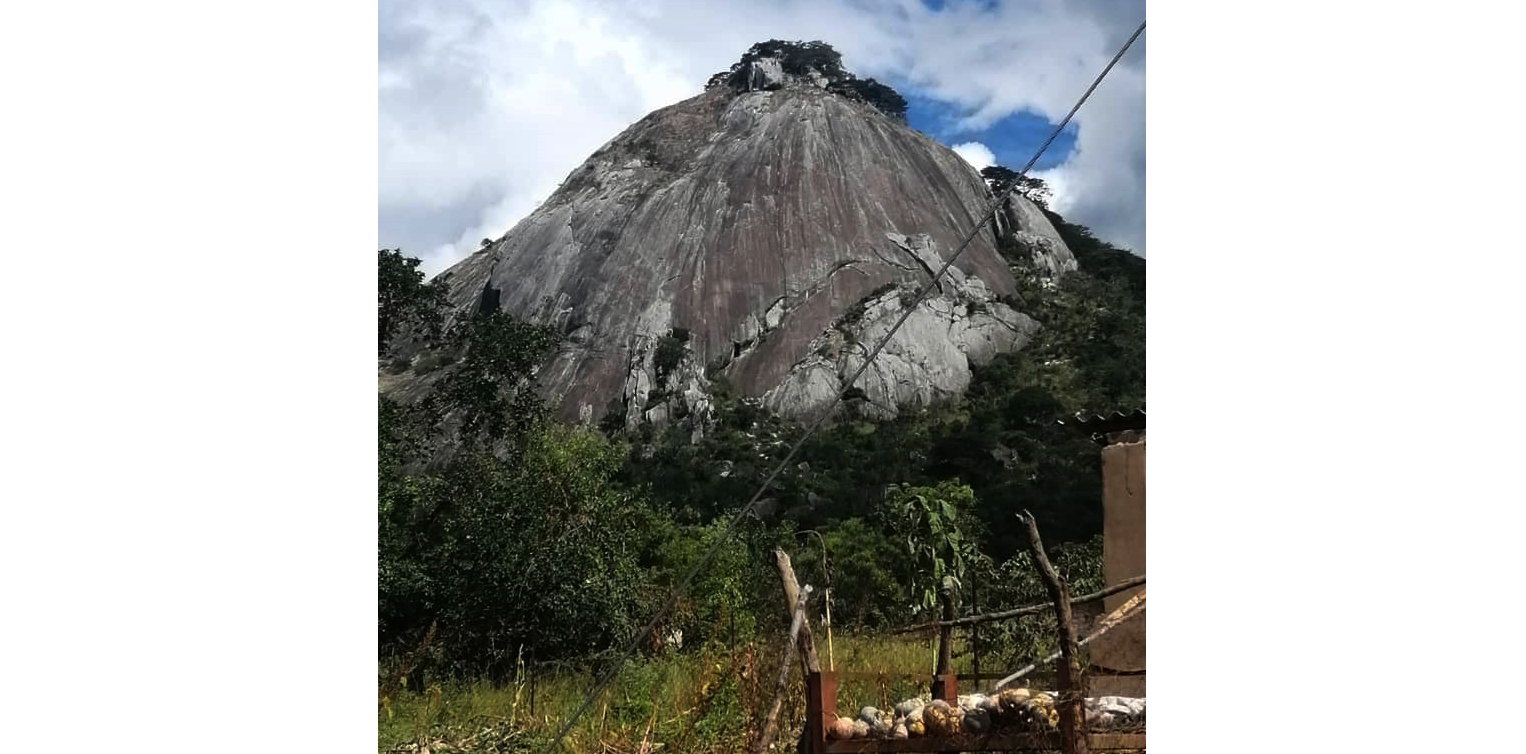
Hwahwazira Mountain is a mystical, towering presence that rises quietly above the valley, bearing untold stories of valor, tradition and reverence.
Though largely untouched by modern development, Hwahwazira’s serene slopes once echoed with the thunder of war.
In mid-November 1976, amid Zimbabwe’s liberation struggle, this mountain became the site of a brutal 12-hour battle between the Zimbabwe African National Liberation Army (ZANLA) fighters and the Rhodesian forces.
The confrontation lasted from 6am to 6pm, as liberation war fighters, infiltrating through the porous Mozambican border, engaged in a fierce clash against an enemy backed by aerial helicopter support.
But nature had other plans.
Just as the helicopters closed in, a thick mist suddenly enveloped the entire mountain, obscuring visibility and rendering the Rhodesian air advantage useless. Under this natural cloak, the freedom fighters held their ground, which was a defining moment in the region’s war-time history.
“That mist was, not just weather, but it was a sign. It felt like the spirits of our ancestors were protecting the fighters. We still talk about it today. That battle was, not only for freedom, but it was fought on sacred ground,” said Mr Aaron Chemvura, a proud elder from Masere Village, of the Nyere totem.
Indeed, Hwahwazira Mountain is no ordinary hilltop.
It holds deep cultural and spiritual significance to the local people, especially the Nyere Clan, whose spiritual leaders among them Shemvura, Samaringa, Ngwende, Manyonho, and Nyabadza are buried there.
To this day, the mountain remains a sacred space, with restricted access.
Visitors are only allowed to climb it during traditional ceremonies and rituals, guided and permitted by local elders.
Despite its historical and spiritual gravity, Hwahwazira is also a haven of natural beauty.
The mountain’s natural vegetation has been carefully preserved by the surrounding communities. Locals do not cut down trees or collect firewood from the mountain, a form of respect passed down through generations.
Towering Msasa, Mupfuti, Mutondo trees, vibrant birdlife, and a variety of indigenous fruit trees blanket the slopes, offering a peaceful retreat into nature. Visitors are welcome to taste the wild fruits, a small but delightful gesture of the mountain’s hospitality.
From the summit, a stunning panoramic view unfolds — offering a bird’s-eye glimpse of Honde Valley, stretching all the way to the distant ridges of the Eastern Highlands.
At dawn, the sun breaks through the mist, illuminating the rolling hills, green plantations, and mosaic of rural homesteads nestled below.
By visiting surrounding villages like Saruwaka, Samaringa, Ngwende, Manyonho, and Nyabadza, one can see how the mountain watches over a traveller, like an elder looking after his children.
The preservation of Hwahwazira Mountain is a community-driven effort, rooted in tradition and mutual respect for the land. The flora and fauna are allowed to thrive, and even the stories of the liberation war are passed down orally, with reverence and pride.
For travellers seeking more than just a scenic hike, Hwahwazira offers a layered experience and a breathtaking journey into the soul of a people, the memory of a nation and the spirit of a mountain that once stood as both battleground and guardian.
For a nature lover to a cultural explorer the sacred mountain provides soothing sounds of chirping birds while a chat with the locals, especially the elderly, one will enjoy stories etched into its rocks and remembered by its people.
The majestic, iconic Hwahwazira Mountain