

 admin
admin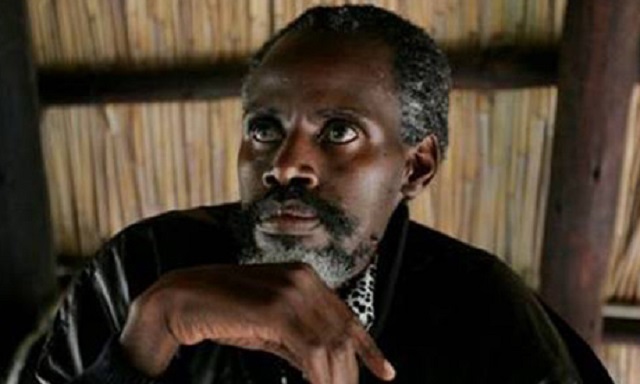
Langalakhe Mabena
Music is a universal language which can be understood by anyone from different age, race, colour and class.
Zimbabwe’s independence was won through the resilient continued spirit of fighting by the country’s gallant sons and daughters of the soil.
In all the things they did during the war, music somehow played a pivotal role in the liberation struggle in either motivating guerillas to continue fighting, giving them hope and cheering them up before going to war.
As a way of passing the liberation struggle knowledge, Zimbabwe Broadcasting Corporation (ZBC) though its radio broadcaster Power FM, is running a Chimurenga Music Competition.
The competition saw artistes aged between 16 and 40 sending their composition submissions to the station with the deadline being on 23 November.
The adjudicators are selecting music that was voted by the listeners as eligible for the competition with the adjudication starting on Tuesday 24 to 30 November.
The competitors were supposed to recompose the Chimurenga songs and remake them to an urban appealing feel to the younger generation so as to pass the Chimurenga knowledge to the younger peers.
“The music piece should either be Urban Grooves, Hip Hop or Zim Dancehall,” reads a statement from Power FM’s website.
With all being said and done, it has to be questioned which Chimurenga songs have to be remade and what impact they will have on the younger generation?
“The songs that should be used for the competition are Gwindingwi Rine Shumba, Chitima Cherusununguko both by Thomas Mapfumo, Zimbabwe by Oliver Mtukudzi, Chachimurenga by Stella Chiweshe, Ropa ReZimbabwe by Flavian Nyathi, Ndega Ndega by Madhuve and Nzira Dzemasoja.
“Other songs are Emoyeni Kubuhlungu and Bafundiseni all by LMG Choir, Sendekera by Mukoma Chakanyu, Maruza Imi by Comrade Chinx, Mbuya Nehanda by Harare Mambos, Zimbabwe Yakauya Nehondo by Chitungidza Mbira Sounds and Cephas Mashakada’s Ndarangarira Gamba,” said Power FM in a statement.
In light of the competition and the list of songs that were given by Power FM to be redone, arts practitioner Cont Mhlanga said that there should be a fair tribal balance in retelling the Zimbabwean history.
He said the younger generation must not be inspired by the competition to embrace the Zimbabwean history, instead they must be willing to pass the message willingly.
“Firstly, the idea of a competition is wrong because the competitors are driven by winning the grand prize to participate, secondly, the competition mainly benefits the organisers, the idea of passing the liberation/ Chimurenga knowledge comes second to them, it’s a profit-making initiative.
“The younger generation needs to repackage history in their own compositions and expressions coming from the heart. It was not a good idea to provide a list of songs to be remade because if one is going to check properly, a certain group will be favoured, either Zipra or Zanla,” said Cont Mhlanga.
He continued: “When we sat and agreed on the Unity Accord in 1987, we agreed to unite nationalist political parties in Zimbabwe as a way of ending ethnic violence which had marred the country since independence.
“This objective has to be maintained so as to continue embracing and enforcing unity in Zimbabwe. At least, the young artistes were supposed to be allowed to remix liberation songs of their choice instead to be given possible choices because at the end of the day imbalance will appear,” said Mhlanga.
Meanwhile, the first phase of voting will begin on 1 until 8 December and the second phase will begin on 9 ending on 16 December.
The winner of the competition will pocket US$2 000, a brand new car and a recording contract.
The first runner up will win a car and US$1 000 with the second runner-up pocketing US$500.



 Online Reporter
 Blessing Chizhande