Sundaymail Editor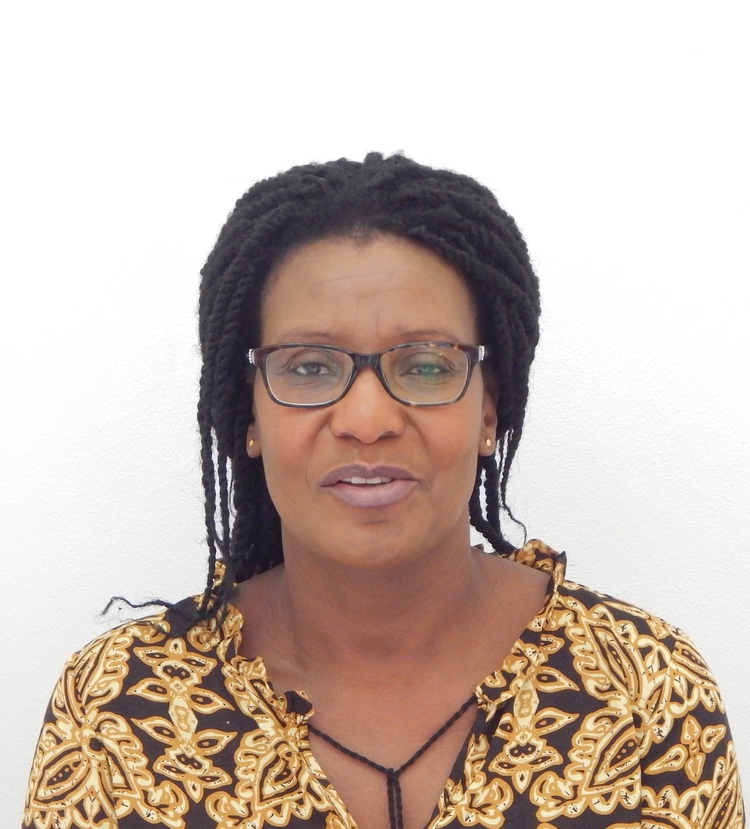
Disability Issues
Dr Christine Peta
ZIMBABWE, like many other countries, will commemorate World Creativity and Innovation Day tomorrow.
This day, designated by the United Nations, is aimed at raising awareness on the crucial role of creativity and innovation in all aspects of human development.
This article focuses on the intersection of disability and creativity.
The relationship between disability and creativity is complex yet profoundly enriching.
Certain disabilities can offer a unique perspective for artistic expression and the creative process itself can provide therapeutic benefits, enabling individuals to process experiences and communicate feelings that are otherwise difficult to articulate.
People with disabilities frequently demonstrate unique perspectives and innovative approaches to problem-solving.
Their life experiences, often distinct from those of non-disabled individuals, can lead to unique insights and perspectives that inform their creative work.
Navigating a world that may not be fully accessible encourages innovative thinking.
Artistes and creators with disabilities often approach projects in unconventional ways, resulting in original solutions and concepts.
Many develop adaptive techniques to create art or engage in creative endeavours, frequently experimenting with materials or methods that accommodate their specific needs.
The life experiences of people with disabilities, including their joys and struggles, can foster resilience and motivate individuals to express their feelings and thoughts constructively through art, thus enriching their creative pursuits.
Some people with disabilities engage in collaborative projects, drawing on the strengths and insights of others, resulting in richer and more multifaceted works.
Engaging in creative practices often fosters connections with others, building supportive communities that encourage ongoing creativity and collaboration.
Many artistes use their work to challenge societal norms and perceptions about disability, advocating greater understanding of diverse lived experiences and inclusivity through their art.
By highlighting their experiences, disabled creatives often push boundaries regarding traditional definitions of beauty, talent and what is considered “normal”.
However, people with disabilities are not a homogenous group; hence, the impact of specific disabilities on creative processes can vary widely.
For example, some blind individuals may develop a heightened sense of hearing or touch, leading to innovative approaches in music composition, tactile art or descriptive writing.
The experience of navigating the world without sight can introduce unique themes or concepts into their work.
Some deaf individuals may have heightened vibrational awareness.
Musicians may focus on vibrations or the visual aspects of music, leading to new forms of expression in sound and performance. Some artistes may use sign language or visual elements in storytelling, enhancing communication in novel ways.
People with physical disabilities, such as wheelchair users, can develop creative tools and methods that cater for their mobility needs, influencing their art forms or performance styles.
Persons with mental disabilities may employ unconventional thinking patterns that lead to original ideas and innovative problem-solving.
Ultimately, each individual responds uniquely to their circumstances.
Way forward
Embracing the intersection of disability, creativity and mass entrepreneurship provides new momentum towards achieving the Sustainable Development Goals, expanding opportunities for all, including women and youths with disabilities.
Mainstreaming disability in creative industries, including audio-visual products, design, new media, performing arts, publishing and visual arts, will help us leap into highly transformative sectors of the world economy, in terms of income generation, job creation and export earnings.
There is also a need to strengthen the reshaping of our policies for disability inclusion and creativity, and to put forward policy recommendations to foster creative ecosystems that contribute to a sustainable world by 2030 and beyond.
Support systems, as well as access to resources and inclusive environments, play a crucial role in nurturing disability inclusion in creativity.
Indeed, human creativity and innovation, at both individual and group levels, have become the true wealth of nations in the 21st century.
Dr Christine Peta is a disability, public health, policy, international development and research expert. She can be contacted on: developafrica2020@ gmail.com


 Online Reporter