Bongani Ndlovu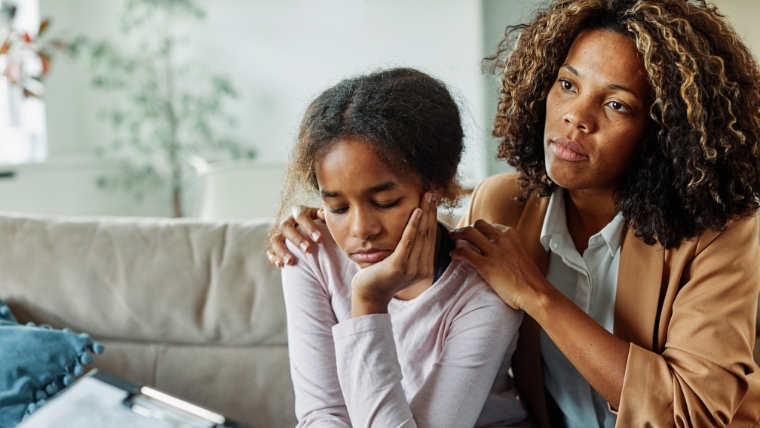
Sheron Gomera
WORDS carry weight, especially in the life of a child.
They do more than describe behaviour; they shape identity. When we attach labels to children, we are often not just commenting on what they have done, but quietly defining who they are.
By calling a child lazy, naughty, rude, shy, stupid, retard, liar or stubborn, we may unknowingly be doing more harm than good. While we may believe we are guiding or correcting them, we could in fact be limiting their growth.
In psychology, labelling refers to the process through which people classify or describe others, particularly those who are seen to fall outside what is considered normal or acceptable.
There is always a fine line between guiding a child’s behaviour and condemning them.
It is important for parents and caregivers to pause and reflect on whether their words encourage growth or build unnecessary barriers.
Many labels are given casually, without much thought, yet they often stay with a child for life. Nicknames picked up in childhood – based on appearance or behaviour – can easily become permanent identities.
Names like ‘headmaster’ for a child with a big head, Sdudla for a bigger child, teaspoon for a small one, or chimsoro, all seem harmless at the time, but they can shape how a child sees themselves.
Children listen more carefully than we often realise, and what parents say carries particular weight.
A child who shows certain behaviour at a particular time should not be defined by it. If a child lies occasionally, for example, that does not mean they should be labelled a liar.
Dangers of labelling – self-fulfilling prophecy
Labels such as picky eater, obsessed with food, or sdudla (obese), can easily become self-fulfilling prophecies.
A child may begin to believe the label and act in ways that confirm it.
A child called a ‘dunderhead’ may grow timid, lose confidence and struggle academically. In the same way, a child labelled a ‘pig’ may develop unhealthy eating habits and eventually become obese.
Labelling affects the way children see themselves
The words used by parents and other adults can leave a lasting mark on how a child views themselves.
Once a label is attached, it often becomes part of their identity. Labels tend to confine children to fixed roles, limiting how they see their own potential.
A child who is repeatedly called lazy may begin to feel that effort is pointless, even in schoolwork or daily activities.
Labelling influences the way children are treated by others
When a child is labelled, it does not only affect their own self-image but also how others respond to them. Labels can lead to unfair treatment from teachers, peers and society at large.
They may even form the foundation for bullying at school. Terms of endearment such as ‘bambino’ may seem harmless when a child is young, but as they grow older, the same name can be used in a negative way, opening the door to ridicule and exclusion.
Labelling limits children’s potential
Even labels that appear positive – such as “shy”, “kind”, “athletic” or “creative” – can restrict a child.
While they may seem encouraging, they can quietly set boundaries around what a child believes they can or cannot do.
Children should be free to explore different interests and abilities without being boxed into one identity, whether it is “engineer”, “baker” or “maths genius”.
When children are allowed to believe that possibilities are open, they are more likely to take risks and discover their full potential.
The child grows with low self-esteem and inferiority
Repeated negative labelling can damage a child’s confidence over time. If a child constantly hears phrases like “you’re so slow” or “you always get it wrong”, those words become part of how they see themselves.
This can shape their behaviour, reduce their motivation and lead to feelings of inferiority that are difficult to reverse later in life.
It contributes to stigmatisation
Labelling can also limit a child’s opportunities, particularly in education and social settings. When society focuses on the label rather than the individual, children are often judged unfairly.
In Bulawayo, for example, children with intellectual or developmental challenges are often referred to as ‘Sibantu’, a name linked to Sibantubanye School, which caters for special needs learners.
The term is used broadly and unfairly, labelling any child with disabilities or learning difficulties. Other terms such as ‘Zimcare’, ‘isiyelele’, ‘chiduruvazi’ or ‘retard’ carry negative connotations and lead to stigma.
As a result, these children may be ridiculed, excluded and, in some cases, discouraged from attending school.
Labelling reflects more about the adult’s insecurities
Often, the labels we give children say more about us than about them. For instance, when a child does not greet a visitor, it may make adults uncomfortable.
Instead of understanding the child, we quickly explain it away: “Oh, he’s just shy.” In doing so, we protect our own feelings while overlooking the child’s needs.
Labelling becomes a way of managing our insecurities rather than supporting the child.
What we say about others often reflects what we fear or feel unsure about ourselves.
Labels are permanent
Children are naturally self-centred in their thinking, especially when they are young. This means they tend to accept what adults say about them as truth.
If a child is repeatedly told, “You’re so shy,” they may come to believe that shyness is a permanent part of who they are. Unlike emotions, which can change, labels feel fixed and unchangeable.
This can limit how children grow, as they may struggle to see themselves in new or different ways.
Reframing Labels
Instead of labelling a child, it is more helpful to address the behaviour directly. Parents should separate the child from the action.
For example, instead of saying, “You are a naughty child,” one could say, “Do not be naughty.”
This simple shift helps focus on correcting the behaviour without defining the child by it. By reframing the way we speak, we address the problem without turning the child into the problem.
Sheron Gomera is a registered psychologist, child behavioural specialist and educational therapist


 Online Reporter