Online Reporter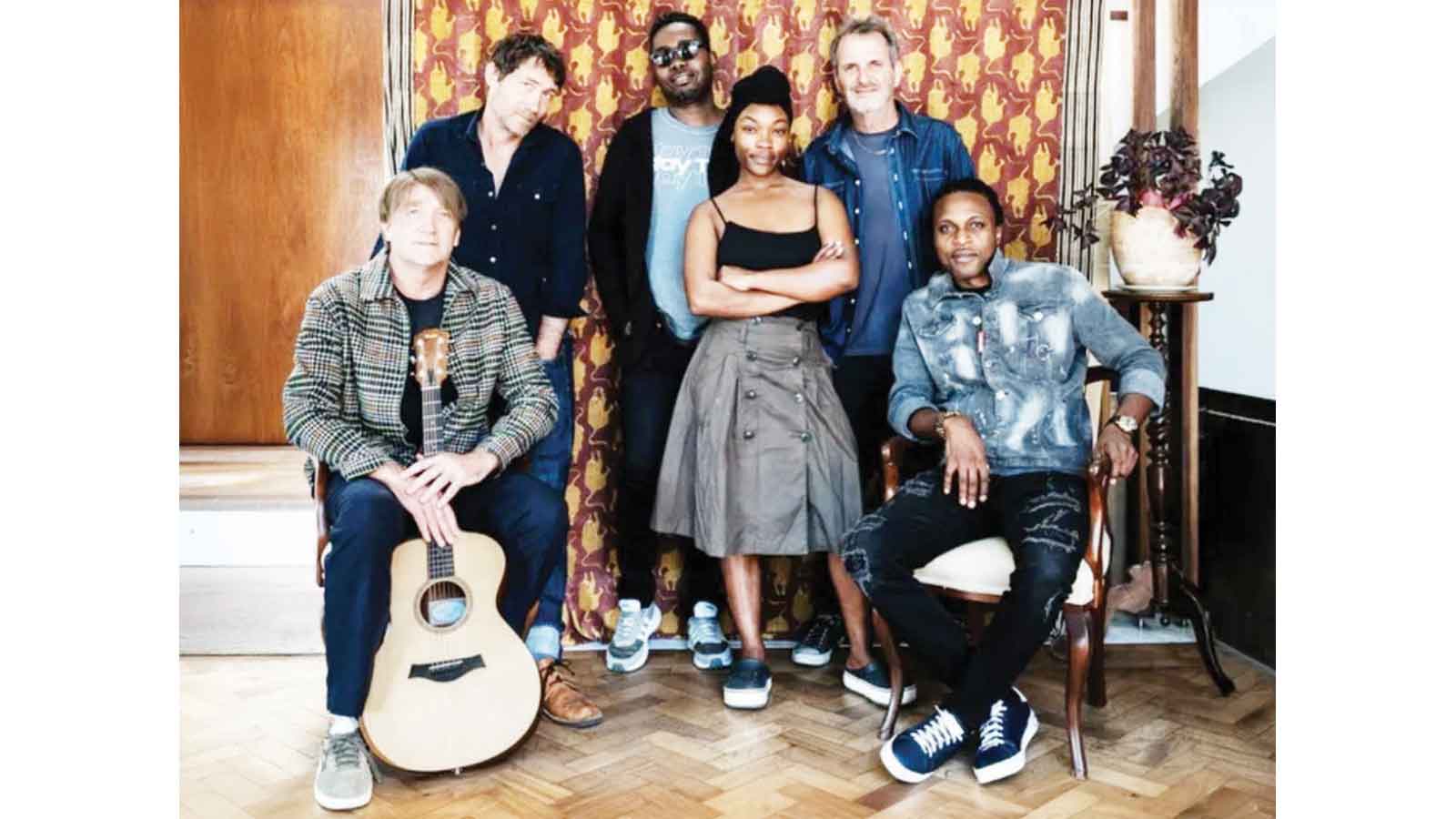
Multi-award-winning band Freshlyground have returned with their first album since 2018, with “Take Me Home” marking a new phase after a seven-year recording break.
The eight-track collection sees the group reunite with Grammy-winning producer JB Arthur, who worked on their earlier albums “Nomvula” and “Ma’Cheri”. The project reflects a return to their sound while opening space for growth.
At the end of 2019, the band reached a pause as lead vocalist Zolani Mahola stepped into a solo path. The future of the group was uncertain, but the connection between members remained.
“It soon became clear that we still loved playing together and we missed it,” the band said.
They continued to meet and play, reconnecting with the sound that shaped their identity. Audience demand remained strong during this period.
“People kept asking when we would be back,” they said. “That told us that the music still mattered.” That response played a role in their decision to continue.
Their return is built on a shared purpose.
“We are not trying to recreate the past,” the band said.
“We are building from it.” This approach defines the direction of Take Me Home, which balances familiarity with change.
The band described their current process as open and collaborative. Writing sessions allow ideas to move freely, with each member contributing to the final sound. “Our respect for each other shows in the music,” they explained.
“It gives us the freedom to explore without losing who we are.” This dynamic has shaped the tone of the album and the stories within it.
A key part of this chapter is the introduction of Mbali Makhoba as lead vocalist.
Her presence has influenced the group’s direction and added a new voice to their sound. The songs reflect both the band’s history and its development.
Beyond the music, Freshlyground continues to focus on purpose. “For us, music is not just entertainment,” they said. “It is medicine. It is healing. It brings people together.” They emphasise storytelling, especially around themes of empowerment and identity.
“We want to tell stories that have not always been heard,” they explained.
“Especially stories about women, strength and identity within South African culture.”
The band believes authenticity is central to their global reach. When you stay true to where you come from, people everywhere can feel it,” they said.
“That is how something local becomes something global.” Their live performances have helped affirm this new phase, connecting audiences to both their past and present sound. — IOL