Online Reporter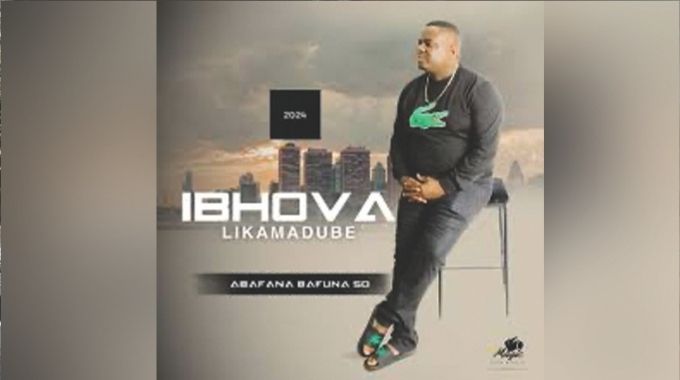
Mthabisi Tshuma, [email protected]
FOR many musicians from Matabeleland, rhumba music is more than just entertainment. It is a way of telling stories about village life, love, struggle and identity. Among the growing list of artistes carrying that tradition is Dudline Dube, better known by his stage name, Ibhova likamadube.
Born 39 years ago in the quiet village of Bhembenene under Chief Manguba in Bulilima District, Ibhova likamadube has slowly built a name for himself in Zimbabwe’s rhumba circles through music that reflects everyday life in rural communities.
Although he loved music from a young age, he only began taking it seriously around 2013. Since then, he has gone on to release several albums and singles that have earned him loyal followers in Matabeleland and beyond.
Today, his music is a regular feature on both national and community radio stations, especially during the festive season when many people return to their rural homes. From weddings in Plumtree to all-night celebrations in Mangwe and Bulilima, his songs have become part of the soundtrack of family gatherings and village parties.
What makes his journey even more interesting is the company he kept while growing up. Ibhova likamadube was once classmates with popular musician Mxolisi “Mr Bones”, with the two sharing not only school benches but also an early passion for performing.
While Mr Bones later found success in Amapiano and dancehall-inspired music, Ibhova likamadube chose a different route and remained loyal to rhumba music, a genre known for its flowing guitars and storytelling style.
“We used to sing in class and at school functions and back then we didn’t know we would both end up making music professionally,” he recalled with a laugh.
Those childhood performances planted the seed that would eventually shape his future. Years later, in 2013, he finally stepped into the studio to record his first songs.
The Matabeleland rhumba scene welcomed him warmly and he quickly found his place among artistes keeping the genre alive in the region. His music combines traditional rhumba guitar melodies with relatable Ndebele storytelling that resonates strongly with ordinary people.
Most of his songs focus on themes that many Zimbabweans can identify with — relationships, rural life, respect, family values and perseverance. His style is simple, direct and deeply rooted in village experiences.
Some of his supporters say his music reminds them of home, especially those living and working outside the country. Others say his voice carries the warmth and honesty of rural Matabeleland.
Over the years, he has continued to grow his catalogue, releasing multiple albums and singles that regularly gain popularity during the festive season.
“When December comes, people want music that speaks to home. Rhumba does that. It reminds us of where we come from,” he said.
Like many musicians from Matabeleland, Ibhova likamadube has had to work hard to keep his music career alive. While some of his recordings are done in larger studios in Bulawayo and Harare, his music remains firmly connected to village narratives and everyday experiences.
Besides performing locally, he has also travelled to neighbouring countries such as Botswana and South Africa where Zimbabweans in the diaspora continue to support his music.
For many people living outside Zimbabwe, rhumba music offers comfort and nostalgia, reminding them of family gatherings, home villages and traditional celebrations.
“They request my songs at every show in Francistown and Johannesburg,” said Ibhova likamadube.
Now celebrating more than a decade in music, the artiste says he still has the energy and passion to continue producing more songs.
He revealed that he already has eight albums to his name, together with four singles, and is currently working on another project which he hopes will dominate playlists during the festive season later this year.
“I have eight albums and these include Pleasure, Alwehlanga lungehlanga, Six point two, Iphepha labelungu, Ngyatshisa bhe, Ukhona owesine, Sceliflag eTsholotsho and Abafana bafuna so. I also have four singles.
“This year I will be releasing my new album in November by the title eCalton centre. We are already in the studio and working to produce something that will be a banger for the festive season,” said Ibhova likamadube.
The upcoming album is expected to continue his trademark rhumba sound, driven by guitars and storytelling inspired by daily life and social realities.
Apart from growing his own catalogue, the musician also dreams of working with some of the region’s established artistes. One of those is South African musician Freddy Gwala, whom he greatly admires.
He said he was inspired by Gwala’s recent song Bayinkinga Omkhaya Kabazwakali and hopes they can collaborate in future.
“I wish to collaborate with Freddy Gwala because we are too close and he is famous. His latest track depicts the love lives of women from Zimbabwe. My new song speaks of how women from our country when they come to Zimbabwe, they date whoever they deem fit to them or to satisfy their needs. This may be seen as derogatory but it’s the truth as shown with how they end up with criminals, living abusive lives and also living lives that put them in danger.”
Despite the challenges faced by many local musicians, especially those working outside mainstream genres, Ibhova likamadube remains optimistic about the future of rhumba music in Zimbabwe.
He believes the genre still has a strong following because it speaks directly to ordinary people and preserves cultural identity through language and storytelling.
As younger generations increasingly embrace fast-paced modern sounds, artistes like Ibhova likamadube continue to provide a bridge between tradition and contemporary entertainment.
For now, the Bulilima-born musician is focused on expanding his music catalogue, growing his fan base and ensuring that rhumba music from Matabeleland continues to be heard both at home and beyond Zimbabwe’s borders.
Follow on X: @mthabisi_mthire