Online Reporter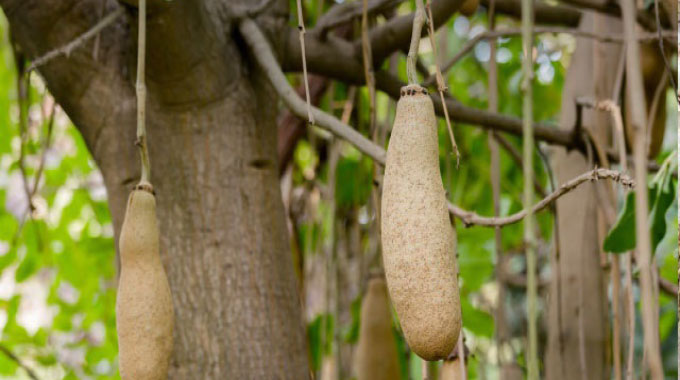
Arron Nyamayaro
Herald Reporter
THIS year, the Sausage Tree, known as Mumvee in Shona and Umvebe in IsiNdebele, has captured the attention of communities across Zimbabwe.
The Forestry Commission is championing this remarkable species as the Tree of the Year, emphasising its ecological significance and cultural heritage.
Each year, the Forestry Commission distributes seedlings, coordinates planting events and engages stakeholders to restore degraded landscapes.
This initiative serves as both a practical and symbolic action for environmental stewardship.
The commission’s communications officer, Ms Violet Makoto, said: “This year, we are taking a devolved approach to encourage community involvement and ownership.
“On National Tree Planting Day, which falls on the first Saturday of December and on December 6 this year, communities, institutions, and leaders will unite to combat deforestation and promote sustainable livelihoods,” she said.
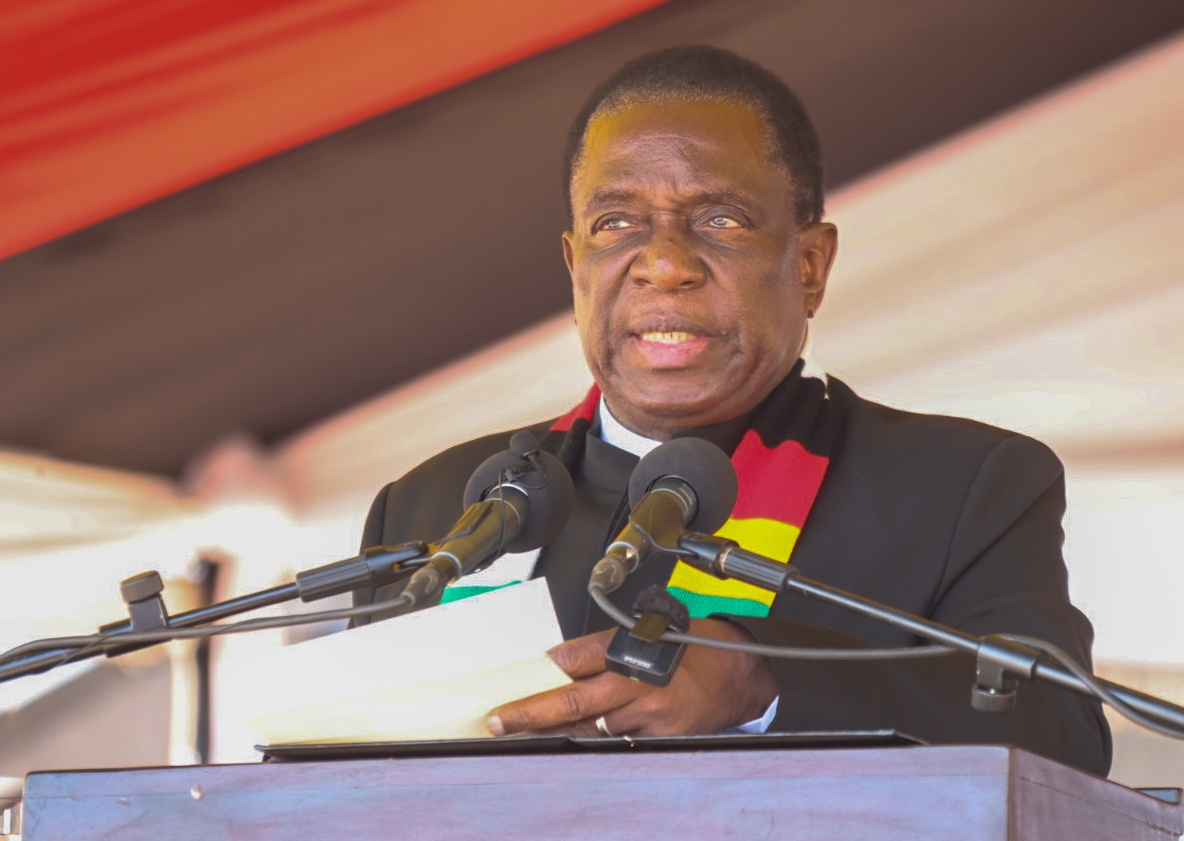
“The event traditionally features the President, Dr E.D. Mnangagwa, who will plant a tree to inspire citizens nationwide.”
The Sausage Tree is indigenous to Zimbabwe and other Southern African countries, offering numerous ecological and social benefits that have supported local communities for generations.
However, its rising popularity for medicinal uses has led to over-harvesting, raising sustainability concerns.
“The Government urges communities to participate in planting more Sausage Trees while research on their medicinal efficacy continues,” Ms Makoto said.
“This will help ensure the tree’s sustainability and maintain its benefits for local populations.”
She said the devolved approach to National Tree Planting Day fosters deeper community connections to environmental issues, encouraging ongoing engagement beyond the event.
“By expanding the programme across provinces, we can enhance forest coverage, promote biodiversity, and improve resilience to climate change,” she said
“This year’s event also supports the Presidential Legacy Forests Programme, a commitment to reversing the degradation of Miombo woodlands.
“This programme addresses the urgent challenges posed by agricultural expansion, unsustainable harvesting, and climate change, which threaten the livelihoods of millions who rely on these ecosystems.
“The Presidential Legacy Forests Programme adopts an integrated landscape approach based on four key pillars: Governance and Coordination, sustainable land and resource use, community empowerment and livelihoods, financing and partnerships.”
The theme for this year’s National Tree Planting Day is “Trees and Forests for Ecosystem Restoration and Improved Livelihoods.”
This aligns with the National Development Strategy 1 (NDS1), which emphasises the integration of cross-cutting issues such as gender, youth involvement, and environmental protection into all thematic programs.
By identifying the crucial role of trees and forests in ecosystem restoration, increasing awareness of their significance, and promoting extensive tree planting, we can work towards a greener, more sustainable future.