Chronicle Editor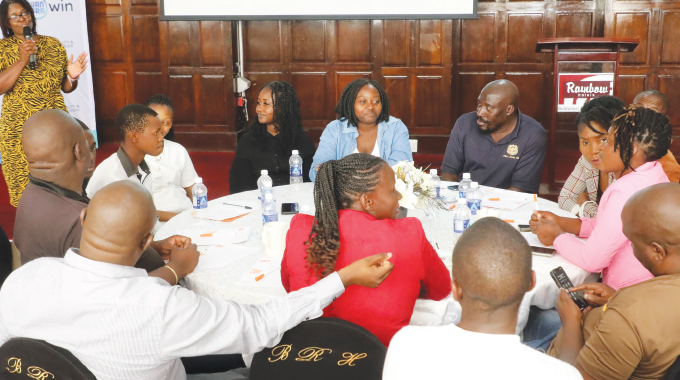
Raymond Jaravaza, [email protected]
A MEDIA industry workshop organised by Wan-Ifra, the World Association of News Publishers, highlighted the issue of sexual harassment in the workplace and the importance of safeguarding employees.
It emerged at the Indaba that the three distinct forms of sexual harassment — verbal, non-verbal and physical — can cause deep psychological or physical damage to their victims.
Organisations must establish sexual harassment policies that protect employees while taking punitive measures against offenders.
Participants from Zimpapers and other media industry players attended the workshop aimed at educating them about the various aspects of sexual harassment and how to manage and prevent it in the workplace. They also learnt about the responsibilities of employees and employers in this regard.
According to Wan-Ifra, Women in News deputy executive director, Ms Jane Gocha, the signs of sexual harassment include repeated social invitations, sexually suggestive remarks, sexual texts or emails, making kissing sounds and asking personal questions about sexual history or fantasies.
“Sexual harassment is defined as unwanted and offensive behaviour of a sexual nature that violates a person’s dignity and makes them feel degraded, humiliated, intimidated or threatened and comes in three forms, namely verbal, non-verbal and physical,” she told participants.
“Verbal sexual harassment is when someone gives another person unwanted sexual attention through verbal, written comments or conversation. Non-verbal is when someone gives another person unwanted sexual attention through noises or actions at a distance.
“Physical sexual harassment is when someone uses physical pressure or force to have sexual contact with another person against their will,” she explained.
She urged organisations to develop a comprehensive policy that clearly outlines expected behaviour and utilises accessible language to combat the systemic issue of sexual harassment in the workplace
The policy must be legally sound and tailored to the national context, which requires the review and approval of a legal professional. Furthermore, it is essential that senior management is fully invested in the development and implementation of the policy.
She said the negative impact of a culture of sexual harassment in the workplace cannot be overlooked. It not only inflicts physical and psychological harm on victims, but it also impedes their ability to perform effectively and poses a threat to their safety and security.
“Sexual harassment usually happens between two people in unequal relationships in the workplace and it is usually not about sex but about power.
“It happens mainly to women, but it can happen to men as well and is committed by superiors, co-workers, peers and non-employees of an organisation,” Ms Gocha added.
When a culture of sexual harassment festers in an organisation, the lack of complaints might mean people are too frightened to come forward or there are no mechanisms that allow them to come forward, she said.
“Sexual harassment can escalate to sexual assault when a perpetrator forces the victim to engage in sexual activity which includes rape, molestation and indecent assault,”
According to research done by WIN Research Zimbabwe, 83,1 percent of women and 15,3 percent of men have experienced sexual harassment. The survey also found that 5,6 percent of men experienced verbal sexual harassment and zero percent physical sexual harassment.



 Online Reporter