


 peter
peter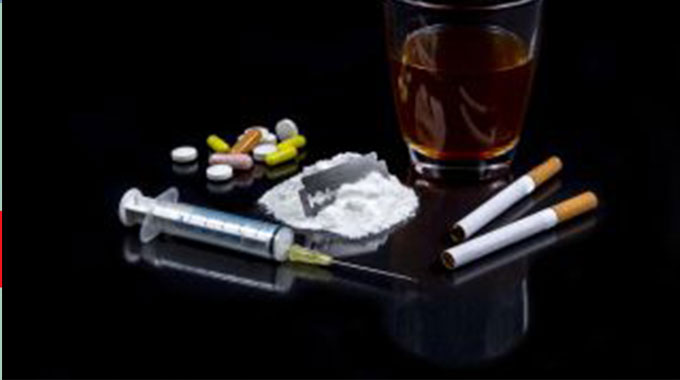
The country and the rest of the world is grappling with drug abuse, and the problem had crept into schools, putting all children at risk. Here are some warning signs your child might be using drugs or into alcohol abuse.
Loss of interest in hobbies or
social activitiesIf a teen quickly loses interest in their favourite activities such as sports, hobbies, or social gatherings, it could be a strong warning sign. Look out for phrases such as “I don’t like that anymore” or “I don’t have time for that.” The less they are willing to talk about it or explain their reasoning for the change in priorities, the more likely there is to be a problem.
Changes in friends
Drugs and alcohol are a common reason for changes in social groups among teenagers. Users may become uncomfortable or disinterested in spending time with non-users.
They also might begin to spend time in different places. If a teen chooses to spend time with other teens who also show warning signs for substance abuse, that is a good indicator that they may be using
Unexplained need for money
It is common for teenagers to ask for money, but the way in which they ask for it can give you information on whether they might be using it for drugs. Teens who need money for drugs will often ask their parents for money without explaining what it will be used for.
Or they will inflate the prices of things they need and then spend the extra money on drugs. They may also insist on being given the money to buy things for themselves rather than allowing their parents to buy them. This is a strong indicator that they are lying about how they will use this money.

Changes in appetite, sleep or
personal hygieneBoth an increase and decrease in a teen’s appetite or the amount they sleep could indicate substance abuse. Some drugs make teens want to sleep or eat more, and some reduce the desire for food and rest dramatically. Any sudden gain or loss in weight or change in energy level should be noted.
Likewise, teens often begin to neglect their physical appearance as their dependence increases. They might stop brushing their teeth or hair, putting on their makeup, carefully choosing their clothing, or even bathing or showering altogether.
Sudden changes in mood
Adolescence is a time of change, so changes in mood are to be expected. However, there are certain clues that the problem may be drug related rather than just a matter or hormones. The most telling sign is if a teen suffers from sudden and dramatic mood swings.
They might also become unusually irritable, fidgety or anxious. Any strong change in temperament or personality that happens within a short span of time is a good indicator that something might be wrong.
A drop in academic performance
As substance abuse increases, priorities change. Grades are often one of the first priorities to fall by the wayside. Others include the neglect of other responsibilities.
Teens who use drugs may stop doing their homework, taking out the trash when they are supposed to, or attending family, school, or church functions. The more quickly this happens, and the greater the change from their previous behaviour, the stronger the warning sign.
An increase in secrecy or paranoia
It is a cliché that teenagers lie to their parents and other authority figures, but it may also be a sign of substance abuse. They will start to lie frequently about where they have been, what they have been doing, or who they are spending time with.
Or they will refuse to speak of these matters at all. Often they will engage in paranoid behaviours such as refusing to let anyone into their room or touch their bags or any objects they carry around with them.
Physical symptoms
Different drugs cause different symptoms, but the following could be indicators of substance abuse: loss of motor control and coordination, bloodshot eyes, slurred speech, or coughing or nausea that lasts longer than you would expect from an illness.
Even one or two of these signs might mean it is time for parents to sit their teens down for a conversation, or take further action. The sooner a teen gets help, the more likely it is to prevent the problem from turning serious, and the easier it is to assist them in getting to the root of the problem that led them to substance abuse in the first place.
Many of these warning signs are also indicators of possible depression or other mental health issues. Even if the teen in question isn’t using drugs, these signs are strong evidence that they probably do need some kind of help.
(Source: How to Counsel Teens with Drug and Alcohol Problems – Dan Britton)



 Bongani Ndlovu
 Online Reporter