Vusumuzi Dube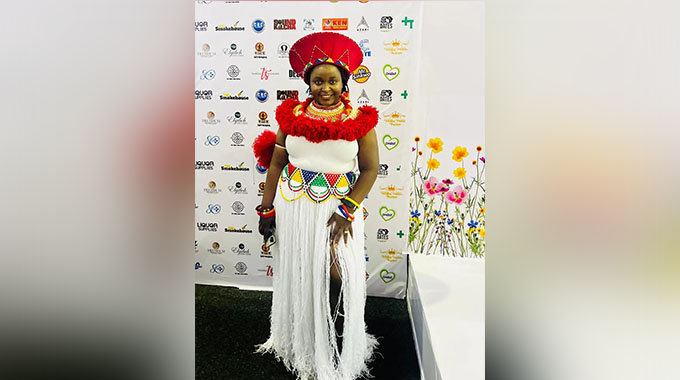
Gift Moyo, [email protected]
Tucked inside an office at the Bulawayo Theatre, a gleaming National Arts Merit Awards (Nama) trophy for Best Female Actress commands immediate attention in the arts administrator’s office. It sits proudly on the desk, a silent yet powerful testament to the talent and dedication of its owner.
And it does not belong to just anyone. The coveted accolade belongs to energetic actress, content creator, arts administrator and production enthusiast Thando Nkiwane, whose star continues to rise on Zimbabwe’s creative scene.
The Zimpapers Arts and Entertainment Hub recently caught up with the Ipi Intombi actress and Nama 24 winner to learn more about the woman behind the award. Below is the interview.
Q: What inspired you to become an actress?
A: Honestly, it all started by chance. In high school, I was more interested in basketball and, like most young people, I was still figuring out what I was good at. One day after basketball practice, my friends and I walked past a group of students rehearsing songs. They were still practising, so we decided to join in for fun. My friend and I were in Form One at the time. When we started singing, the drama teacher noticed us and said she had found new people who could sing. As we were about to leave, she stopped us and said, “You’re not going anywhere, you’re staying here.”
Even when we told her we were late for a football match, she insisted we remain. From that day on, whenever I went for basketball, she would come and fetch me and take me back to the drama room.
Eventually, I left basketball and fully committed to drama. Looking back, I also realise that performance runs in my blood. My late father was very dramatic and loved entertaining people. He would sometimes place a radio in the middle of the shops and start dancing and cracking jokes, drawing a crowd.
When my family watches me perform today, they say I remind them of him, not in appearance, but in spirit. In many ways, I think the talent was always inside me. I just needed someone to recognise it and help nurture it.
Q: How important is family in your life and career?
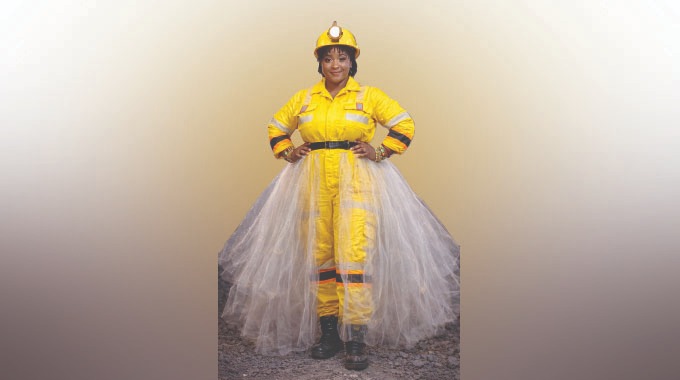
A: Family has played both challenging and supportive roles in my journey. Early on, like many African parents, mine struggled to understand my choice of drama over conventional careers. I had to rely on myself, especially after losing my father at four and moving between foster homes and relatives. I earned a scholarship to study at the Zimbabwe Theatre Academy in Harare, and after volunteering at the Bulawayo Theatre, my work began to pay off. Only then did my family realise drama could sustain me, and their support grew. Today, I have a strong support system, especially my husband, who motivates and cheers me on every day. Together with my best friend, they support me through every performance, allowing me to fully embrace my craft.
Q: Please tell us more about your career and how you landed a role in Ipi Ntombi.
A: I’ve been on stage most of my life, but for a long time, I focused more on arts administration, noticing a gap in leadership within the sector. Acting took a backseat, but at my core, I’ve always been an actress.
Today, I channel my creative energy both on stage and behind the scenes.
I now serve as chairperson of the Zimbabwe Theatre Association and became the first black theatre secretary at the Bulawayo Theatre, helping build structures and opportunities for others in the industry.
When Ipi Ntombi began, I was the production secretary, helping cast roles alongside director Sandra Bradnick. My appearance on stage wasn’t planned; a missing character in one song meant I stepped in to sing, and eventually, one thing led to another. It was my first time submitting work for the Namas, and I was truly recognised as a performer. Before that, I had been deeply involved in productions like Aladdin, mainly behind the scenes with marketing and co-ordination. Theatre has always been my life, whether in the spotlight or behind it.
Q: In Ipi Ntombi, you played multiple roles. Can you tell us more about them?
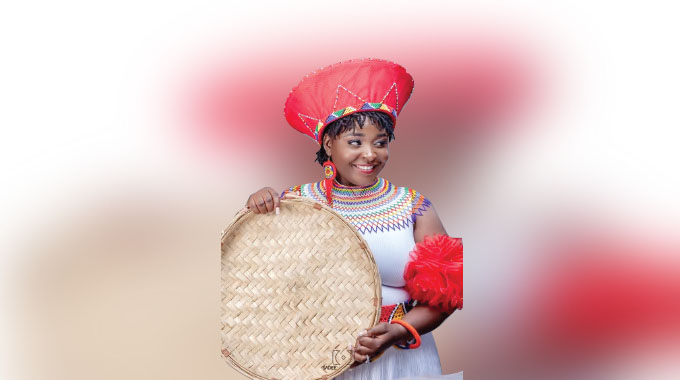
A: I played two characters: a church sister and a prostitute. At first, I wasn’t fond of the prostitute role, but it quickly became the audience’s favourite, and their energy made me love it too. The church sister’s role was equally rewarding — there’s a wedding scene where I dance, lead songs, serve guests, and support the bride. Both roles were thrilling, and because Ipi Ntombi is a musical with minimal dialogue, each character had to come alive through song, dance, and movement, which made performing even more exciting.
Q: How important is it for actors to add their own flair to a character?
A: Adding your own flair helps the audience connect emotionally with the character. Without it, lines can feel flat, and viewers may just watch without truly engaging or reacting to the performance.
Q: What does winning a Nama mean to you?
A: It means a lot because it’s national recognition for the work that I do. It reminds me that my efforts in the arts are being seen and appreciated, which is both motivating and encouraging. As an arts director who runs the Young Artists Development School, it also makes me excited for the future. I look forward to the day one of my students wins a similar award and maybe even gets nominated in the same category as me. That would be incredibly fulfilling as a mentor.
Q: What’s next for you in terms of content and productions?
A: Awards may come and go, but I’ll never stop acting. One of my biggest goals each year is to confidently say that I’ve trained more than 120 young people in the arts. Helping them discover and pursue their talents is incredibly rewarding, and if recognition doesn’t come my way, I hope it comes to them.
At the moment, I’m also very active on social media as a content creator. On the theatre side, I’m part of a production called The Play That Goes Wrong, which is a comedy where everything on stage hilariously falls apart. We’re planning to stage it around mid-May, and who knows, it might even bring another nomination.
Q: How do you hope to be remembered in the Zimbabwean arts and theatre scene?
A: I want to be remembered as someone who helped pave the way for others. There was a time when spaces like the Bulawayo Theatre were not easily accessible to Black creatives and audiences, but today, more people are able to come and enjoy theatre as they should. I hope to be remembered as someone who contributed to breaking those barriers and improving the arts sector in Zimbabwe.
Q: How important are collaboration and support in the arts, especially here in Bulawayo?
A: In Bulawayo, everyone wants to do their own thing, but if we joined forces, we could elevate existing projects together. Working with other content creators, like my recent collaboration with Langa Ndimande, raises the standard of both our work and benefits everyone involved.
Q: What message do you hope to leave through your work?
A: I want to inspire people to find their voice. Figure out what it takes for you to be great, explore different paths if needed, and keep pushing until you discover it. Once you know your voice, own it and go after it.



 Online Reporter