Online Reporter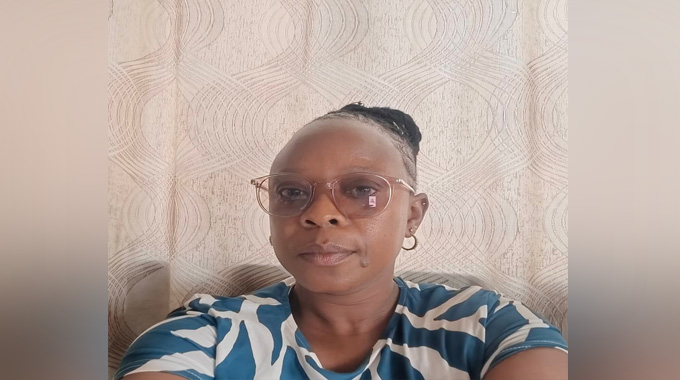
Tanaka Nkala, [email protected]
AS the world marks International Women’s Day, a small but powerful sanctuary in Beitbridge is silently transforming pain into protection for women and children escaping abuse.
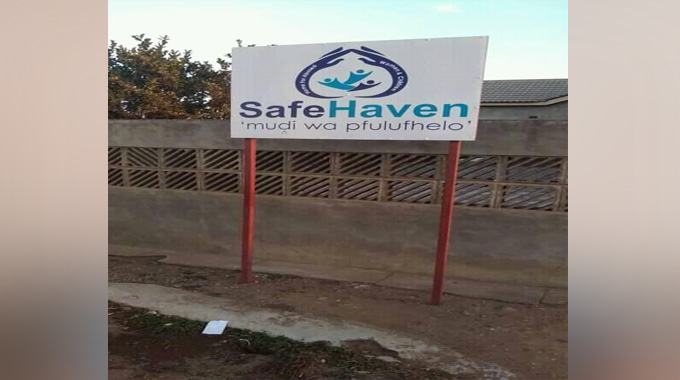
For survivors of sexual and gender-based violence (SGBV), the Safe Haven Rehabilitation Centre — also known as Mudi Wa Pfulufhelo — represents more than just shelter. It is a place of safety, healing and renewed hope for those whose lives have been shattered by violence.
The centre was founded in February 2019 by social worker Mrs Babongile Gora and her husband, Mr Claude Gora, after they realised that, despite the presence of institutions responding to gender-based violence in the district, there was no dedicated shelter where survivors could immediately seek refuge.
“We realised that although service providers were addressing gender-based violence, there was no shelter where survivors could go for immediate safety and support,” said Mrs Gora.
What initially began as a modest idea to establish a counselling centre soon evolved into a full rehabilitation facility after the couple discovered the magnitude of the problem and the urgent need for a safe space.
Determined to make a difference, the couple combined their strengths to bring the vision to life. Mrs Gora contributed her professional expertise as a trained social worker, while her husband provided the financial resources needed to establish the initiative.
Since its establishment, the centre has assisted more than 7 000 survivors of sexual and gender-based violence, offering them shelter, counselling and rehabilitation support.
Beyond providing temporary refuge, the centre also empowers survivors with practical life skills to help them rebuild their lives and regain independence.
Behind the numbers, however, are deeply painful stories.
Mrs Gora said the youngest survivor the centre has assisted so far was just four years old, while the oldest was 70, reflecting the devastating impact of gender-based violence across generations.
“Each case reminds us how urgent this work is and how widespread the problem of gender-based violence remains in our communities,” she said.
Running the centre has not been without challenges.
Mrs Gora said the growing number of survivors seeking assistance often places a huge strain on the centre’s limited resources.
“Sometimes the numbers are overwhelming. The biggest challenge we face is the lack of resources because the demand for services is very high,” he said.
Despite these obstacles, Safe Haven continues to open its doors to survivors who have nowhere else to turn, offering them dignity, care and a pathway towards recovery.
For many women who arrive traumatised and broken, the centre becomes the starting point of a new chapter in their lives.
The work of the centre resonates strongly with the spirit of International Women’s Day, which is commemorated annually on March 8 to celebrate the social, economic, cultural and political achievements of women while also advocating for gender equality.
The day also serves as a global call to action to accelerate efforts aimed at ending discrimination, violence and inequality faced by women and girls.
Originating from early 20th century movements advocating for women’s labour rights and suffrage, International Women’s Day has grown into a worldwide platform for highlighting the challenges women continue to face, including gender-based violence, economic exclusion and limited access to opportunities.
For Mrs Gora, the significance of the day goes far beyond celebrations.
“It is a day to celebrate women’s achievements, raise awareness about gender equality and call for action on women’s rights,” she said.
“But it is also a time to reflect on the painful realities many women still face and renew our commitment to protecting and empowering them.”
For the thousands of survivors who have passed through its doors, the centre has become more than just a shelter — it is a lifeline, offering safety, dignity and the hope of rebuilding a future free from violence.