admin
adminfarmers score an average yield of two tonnes per hectare.
This simply means that all things being equal and with all farmers establishing seedbeds using all the seed and planting all of it before astutely managing it to the time of marketing, Zimbabwe will be looking at yield of more than 216 million kilogrammes of the golden leaf.
But there are many factors to consider before proclaiming that there will be a bumper tobacco harvest.
In fact, such a feat remains a dream silhouetted against the horizon, as some of the farmers who purchased the seed may not be able to use it effectively.
Some may even decide not to establish the seedbed for reasons of their own while some may proceed to establish seedbeds, but fail to give the seedlings the necessary care to enable them to grow into commercially viable plants.
There is also the other group that may establish the seedbed and even plant the crop, but then fail to give it the proper agronomic attention it deserves to produce the best results.
Usually, many farmers face challenges when it comes to maintaining the crop properly and where they manage, they may come unstuck after harvesting, a process that is followed by some of the most delicate steps such as grading and baling.
It is also a fact that not all of the farmers who bought the seed will have the correct input requirements to produce the best out of it.
Due to financial constraints, some farmers have come to use other basal fertilisers in place of Compound C that is specifically manufactured for tobacco, as it is not easy to lay hands on and when they chance to get it, the price is normally deterrent.
A tonne of Compound C is currently selling for US$700 while that of Compound D is going for US$620 at Zimbabwe Fertiliser Company, one of the country’s leading fertiliser manufacturers.
That discrepancy in charges forces farmers to go for the cheaper option and forget about the implications of using substitutes on the quality of the final product.
This is one of the factors that many farmers readily choose to ignore, but have serious bearing on the yields. Tobacco fertiliser is usually priced a little bit higher than other brands, which pushes it out of the reach of many farmers.
This means that farmers have to look for affordable substitutes and this has often been in the form of Compound D.
Some farmers have also tended to take a lot of pride in establishing vast hectares of the crop against very little capacity to procure the maximum required inputs in the form of fertilisers and other chemicals.
This has often seen the farmers trying to thinly spread resources over big tracts of land, which in the end does not make an impact on the nutritional requirements of crops and compromising yields and quality in the process.
One other pleasing thing to note is that the number of debutantes in the industry is now 19 903 — a rise that is easily attributable to the good prices that that merchants were offering last season.
Though many believe there could have been some conspiracy among buyers to keep the prices below US$5 per kg, the highest and commonest price of US$4,99 per kg has still been enough to attract many new players.
This may also explain the surge in seed purchases while that may also mean more learners and ultimately more errors, which will impact negatively on production. The big quantities of seed purchased may also fail to reflect what the hectarage or yields may look like come the end of the season because there are also new players most of whom will still be trying to come to terms with the new crop’s requirements.
This group of farmers will need more extension services, a situation that may also easily upset the current farmer-to-extension officer ratio.
Then there is the issue of the electricity power cuts that seem to be continuing unabated.
This of course is despite pledges by the power utility Zesa that supplies for critical crops such as tobacco and wheat can be improved if the farmers approach them and work out a farmer-friendly load shedding schedule.
In the past seasons many irrigated tobacco farmers have failed to maintain their irrigation cycles due to random and rampant power cuts, which in the end grossly affected the quality of the leaf.
Some of the farmers even failed to do proper curing of the crop, as they could not use their electric powered barns in the wake of the power cuts last season.
If that happens again this time around, then there are very high chances yields may fail to rise or may further decline.


Online Reporter
- Herald
- July 31, 2026
- 24 views
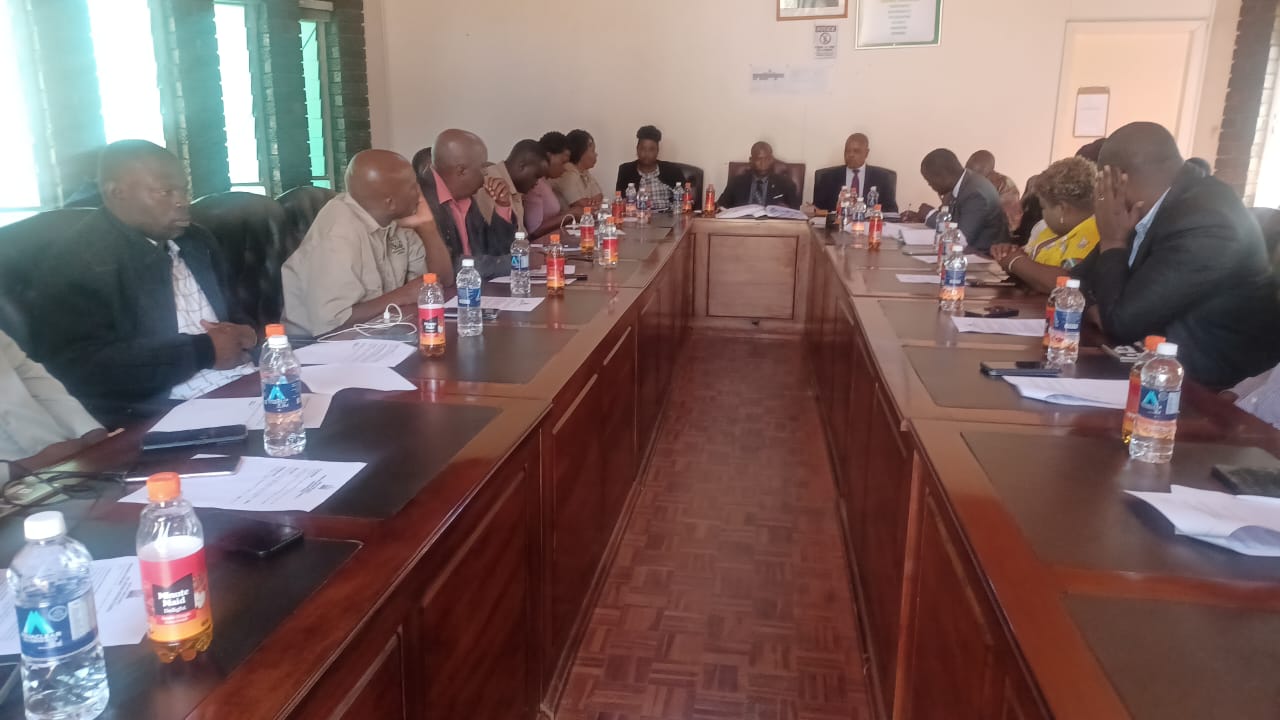
Norton Town Council renews integrity pledges
Diana Nherera Norton Town Council councillors and management on Thursday renewed their integrity pledges as part of the local authority’s commitment to promoting ethical conduct and combating corruption. Speaking…