admin
admin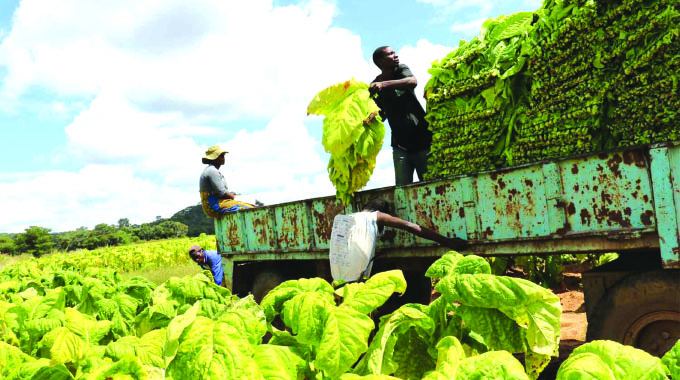
Elton Manguwo
GOVERNMENT, in partnership with the Tobacco Industry and Marketing Board (TIMB), will be carrying out farm inspections to ensure farmers have adequately destroyed stalk from the previous season in line with the Plant Pests and Diseases Act (chapter 19:08).
In a statement, TIMB said it would work with Government to conduct inspections on all fields and compile a list of all non-complaint farmers.
The Plant Pests and Diseases Act requires that tobacco stalks be destroyed by May 15 of every year.
In light of this, tobacco growers are being reminded that all tobacco stalks should have been destroyed by now to avoid carrying over diseases and pests to the next crop.
TIMB has introduced measures to ensure destruction of stalks, a move that will ensure compliance with set rules for the development of the sector.
With the transplanting of tobacco for the coming season set for September 1, farmers are warned to destroy the stalks before planting commences.
TIMB said if 10 percent of the contracted farmers are non-compliant, the responsible contractor will be penalised or suspended from operations until they fully comply.
The statement said farmers who do not destroy their stalks will pay a fine not exceeding US$100 or local currency equivalent for each hectare.
Any grower who has not destroyed tobacco stalks and has been contracted will be de-contracted from the scheme, read the statement.
Zimbabwe has a long history of tobacco production and is ranked as one of the world’s largest tobacco producers therefore effective cooperation between industry players is key for growth.
In this current marketing season, over 280 million kilogrammes of tobacco have been sold, setting the record for the highest volume of tobacco produced in the country.
Given that production has increased, TIMB is urging industry players to take all the precautions to sustain the production volumes and ensure the country reaches the target of 300 million kilogrammes by 2025.
The board urged the Government to increase focus on programmes on sustainable tobacco growing and curing practices.
The Government and the private sector have been rolling out trainings to tobacco growers for quality control.
TIMB is keen on supporting training programmes in current best practice as advised by agronomists and other stakeholders.
TIMB is also partnering with Tobacco Research Board (TRB) to improve sustainable production in the sector by providing tobacco farmers with free gum tree seedlings and support as they push farmers to plant trees this farming season.


 Online Reporter