Business Reporter
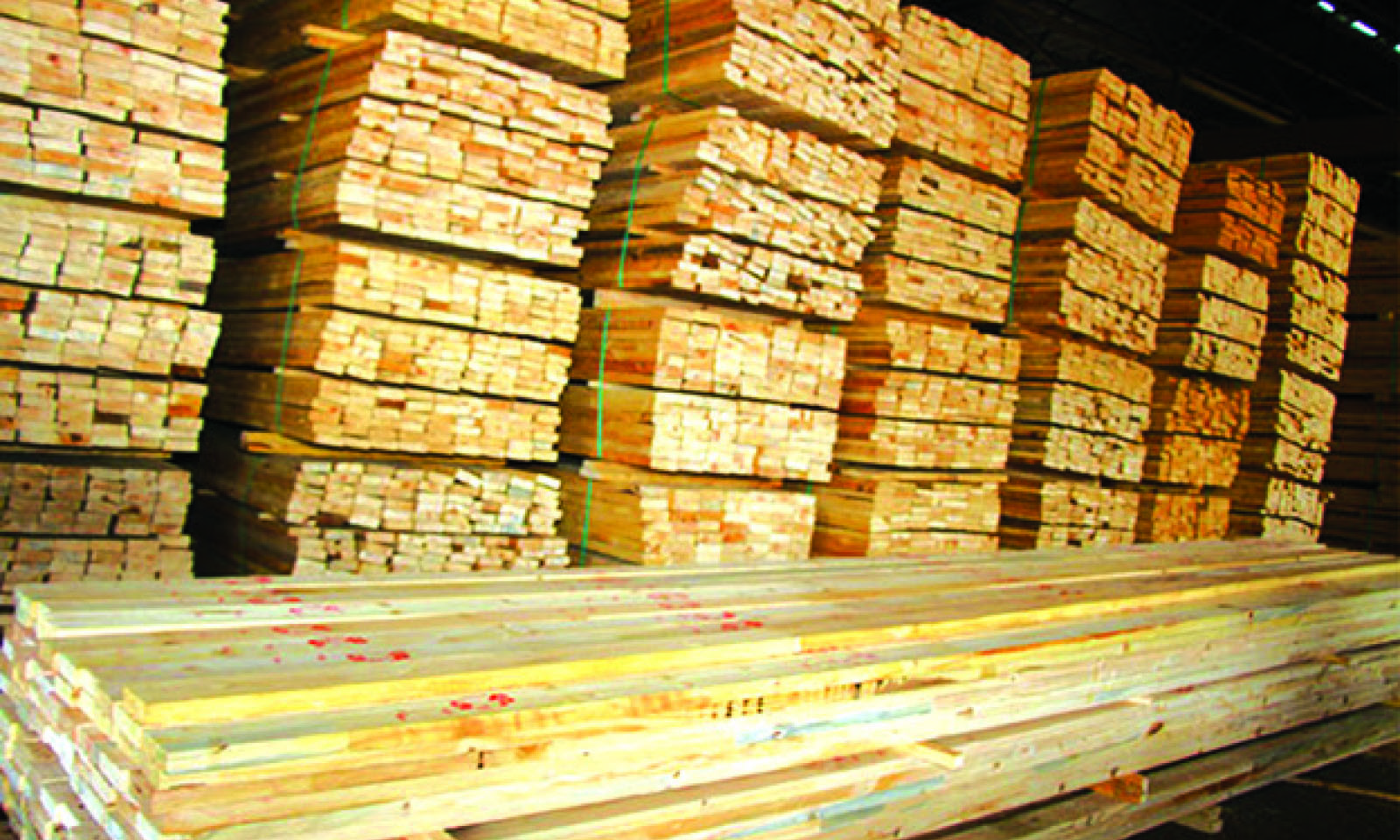
ZIMBABWE is grappling with commercial timber shortages that are forcing traders to import from regional countries like Mozambique and South Africa.
This reliance on foreign supplies is pushing up prices of construction and building materials, threatening to slow down the current construction boom.
The country’s timber resources are primarily located in the Eastern Highlands.
Current shortages are the result of decades of overharvesting without corresponding replanting and a shortage of investment in long-term forestry initiatives.
This has been exacerbated by illegal timber harvesting, wood poaching and destructive veld fires attributed to illegal settlers clearing land for agriculture and unsanctioned mining activities.
By 2022, Allied Timbers estimated that thousands of illegal settlers had taken over more than 50 percent of its total available area.
In its 2023 annual results, Border Timbers identified plantation fire damage, especially arson, as the primary business risk.
According to the Forestry Commission, the direct drivers of forestry depletion include firewood, settlements, agriculture, tobacco curing, charcoal, brick-making, logging, overstocking, construction, mining and brushwood.
The commission found that between 1990 and 2000, Zimbabwe lost an average of 312 900 hectares (ha) of forest per year, an annual deforestation rate of 1,41 percent, which then accelerated to 1,64 percent per annum between 2000 and 2005.
As of last year, the annual deforestation rate had slowed to about 262 000ha per year.
Despite this reduction being attributed to reforestation and enhanced law enforcement, the overall depletion of forest resources is now coinciding with a massive spike in demand from the construction sector.
“Most of the lorries you see are coming from Mozambique. That is why the prices are going up, and this could be just the beginning since demand is so high,” said Mr Peter Karwe, a timber trader at the Glen View 8 home industrial complex.
Major timber producers in Zimbabwe include Allied Timbers, Wattle Company of Zimbabwe and Border Timbers.
Some have been heavily relying on contract milling due to limited milling capacity.
However, as a result of the depletion of mature trees, these contractors are reportedly moving to Mozambique.
Mr Karwe said over the past few weeks, average prices have increased by 20 percent for different cuts and dimensions of timber.
With the rainy season approaching, he added, prices could go even higher as production will be constrained by wet conditions.
However, construction activity also tends to slow down during the rainy season, which could help offset the impact.
Experts warn that even if the country immediately embarks on aggressive replanting campaigns, the commercial timber species essential for construction require an extended maturation period of between 20 and 25 years.
This lengthy growth cycle means the scarcity is structurally embedded for the foreseeable future, effectively locking the country into prolonged reliance on expensive timber imports.
Because of the shortage of timber from established forestry companies, some traders have resorted to buying from households with small plantations.
The resulting timber quality is questionable, as the undocumented age of some trees makes it difficult to verify the quality of the final product.
Zimbabwe Timber Federation chairperson Mr Darlington Duwa said companies are now forced to import timber to maintain operations.
“The horizon for mature timber is about 25 years,” Mr Duwa explained. “This long maturation period means the damage done over the past two decades has locked us into a prolonged period of scarcity, irrespective of our efforts today.”
With the industry now reeling, Mr Duwa stressed that the only immediate mitigation strategy is the “efficient use of the remaining resources”.
The Ministry of Environment, Climate and Wildlife has since announced a nationwide blitz against illegal woodcutting and logging.
The strategy includes increased surveillance, deployment of forest rangers and law-enforcement officials to high-risk areas, and a multi-agency operation.
It seeks to balance immediate conservation efforts with the long-term needs of the economy.