

 Online Reporter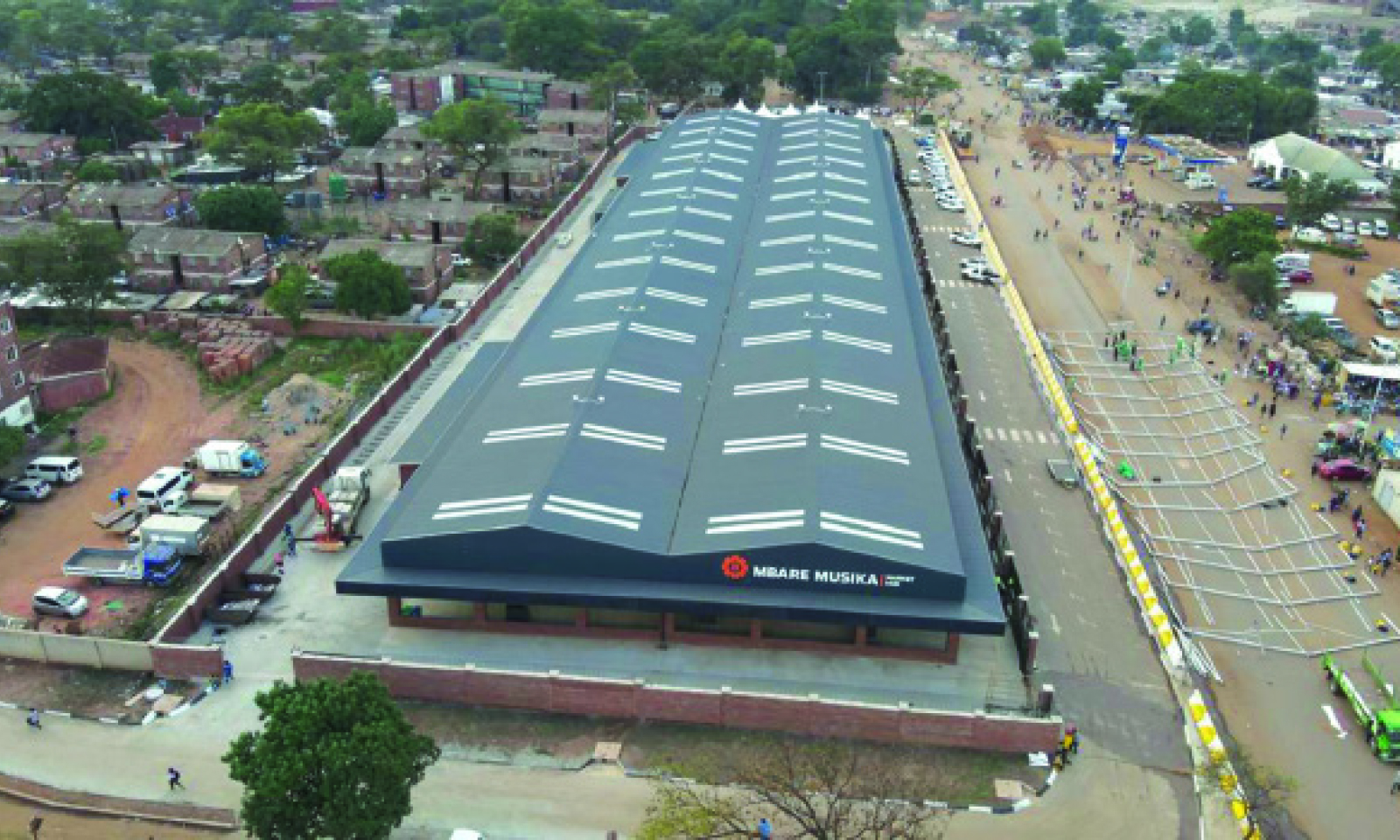
Obert Chifamba
Agri-Insight
SITTING on an imposing 12,5 hectares, according to Zimpricecheck, Mbare Fresh Produce Market stands as a bustling hub of commerce accommodating over 5 000 traders daily.
This vibrant marketplace is a testament to the entrepreneurial spirit, where you can find a treasure trove of goods — from fresh produce to unique local crafts.
For decades, this dynamic market has fuelled a multi-million, if not billion-dollar economy, serving as a vital lifeline for countless citizens across Zimbabwe.
Here, trade is not just a transaction; it’s a way of life that sustains communities and showcases the rich tapestry of culture and commerce.
Recent developments at this cauldron of commerce have, however, temporarily brought life to a stop in the wake of a devastating fire that consumed merchandise and infrastructure alike, leaving thousands of stall owners stranded. The Government quickly moved in to pacify the situation and has since constructed a state-of-the-art market to accommodate the thousands of affected traders.
It is, however, the rate at which the affected traders are taking up space that is worrisome with the bulk of them still stuck at their old place that is devoid of shelter and proper floors. I was there recently to get an appreciation of their new life at the new market and was surprised to notice that they are yet to move. I talked to some who told me that the new rentals of US$80 a month were unaffordable and would rob them of the little profits they make on daily, weekly and even monthly basis.
The most painful sight I caught on the visit was a heap of avocadoes decaying on the muddied floor with the traders saying they could not do anything to salvage the situation in the absence of proper storage structures and a roof to stop the rains from continuously creating the mess. It would make a lot of sense if council was to make regular visits to the old site and see how the traders are surviving under those conditions and if necessary come up with a way to make them move to the new market.
This, however, requires the local authority to also understand the Mbare Musika ecosystem and appreciate the need for order in the marketing process and not the haphazard way of doing business that is currently marking the order of the day at this gigantic market. There is just no order in the way the traders are positioned and for a consumer to easily locate the commodities they may be looking for is literally nightmarish. In an organised market, traders will be positioned in such a way that prices of the same category have their section and so forth and so forth.
It will also be easy even to improve drainage issues that have for years plagued the place because stalls will be properly placed with correct labelling. There is this symbiotic relationship between clothes and food that planners will need to understand. Buyers are naturally attracted to markets where the two are found close to each other because they normally want to get these in one trip.
Maybe this is the point at which the local authority might consider giving incentives and subsidies to traders so that they can see their pending move differently in a positive manner. It is a fact that they both – council and traders need each other because they will all benefit from a properly functioning market. As it is, neither party is benefiting optimally because there is not much happening in terms of business.
Council may also help the situation by offering lower initial rental rates or subsidies for the first few months to make the new market more appealing or even provide tax incentives or exemptions for traders who relocate to the new facility.
The current trader is modernised and would be happy to work in a market environment that also has modern facilities, including clean sanitation, adequate lighting, and storage options. There should be improved access to essential services such as water, electricity, and waste management to improve the trading environment, which I guess is also addressed at the new market.
One other way through which can demonstrate the advantages of moving to the new market would be by launching marketing campaigns highlighting the benefits, for example, safety, cleanliness and convenience. It is important to even organise events, such as market days or festivals, to draw attention and create a buzz around the new location.
The advantage with the new market is that it is just a few metres from the main tarred road in and out of town, which makes it an added benefit to do business there for farmers, traders and consumers alike. It is also important for council to enhance security in and around the market so that both traders and consumers feel relaxed and free, as they do their business. The installation of surveillance cameras and engagement of on-site security personnel to create a safe trading environment may not be a bad idea too.
It will not also require rocket science to realise that council has to ensure and enforce health and safety standards to safeguard the welfare of traders and customers alike. Traders and customers naturally need assurance that they will be doing business in a clean and safe environment given the nasty experiences that came with cholera outbreaks in recent times.
The other important observation is that traders are naturally comfortable with flexible trading options that may even include stall customisation to suit their needs and preferences and making the space more personal and inviting. They also want flexible trading hours to accommodate different types of traders and customer preferences. I have always been engaging farmers who bring their produce to the market and their complaint every time is that the trading hours are very rigid because they do not get adequate time to sell all their commodities.
Their complaints are genuine to me because council always wants them out before midday under the pretext that they (council) would be preparing the place for the next day of trading yet if one is to go there the following day, trash from the previous day would still be littering the place. This idea of farmers also having to re-book produce that would not have been finished reeks of intentions that are not so favourable to farmers because if there were proper storage facilities they would just the surplus safely stowed away.
The kind of reluctance traders are demonstrating is a sure way of reminding council that they needed to have been involved in the planning process for the new market so that they would give their input on what they expected to be included in the new structure.
Their input was crucial especially for the designing of the new market and how it would operate. This would have made them feel they are a part of the process.
Going forward, council needs to regularly hold sessions with traders to get their feedback on how business will be going and how certain issues would need to be handled and with what expected results when the market is operating at full throttle. Traders need to see that their opinions are valued and acted upon.



