

 admin
admin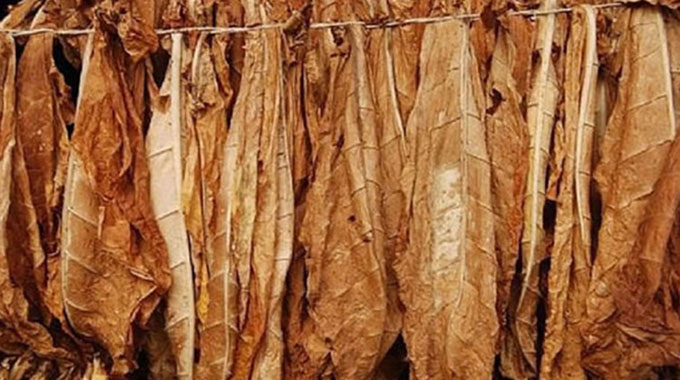
The Rhodesia Herald,
November 7, 1967
RHODESIA’S tobacco growers want full payment of £15,4 million for the flue-cured crop to be marketed next year, irrespective of the actual size of the crop.
In addition, they want compensation for the extra costs involved in applying the new cultural technique recommended by the Tobacco Research Board.
A resolution to this effect has been accepted by the council of the Rhodesia Tobacco Association following consideration of representations made by Trelawney, Darwendale, Nyabira, Banket and Ayrshire growers through their district organisations.
Earlier this year, the Minister of Agriculture, Mr George Rudland, announced that the Government had set a flue-cured crop target of 132 million pounds for the 1967-68 season.
If the target volume is reached, growers will get £15.4m but, if not, their total combined income may be less.
Growers consider that the more expensive cultural methods which they have voluntarily adopted in the national interest for the current season could absorb whatever small profit there might have been at an average price of 28 pence.
The resolution accepted by the RTA council also calls upon the Government to make a statement by November 11, detailing its future policy towards the tobacco industry.
LESSONS FOR TODAY
Agriculture remains the country’s major currency earner with tobacco on the top slot. The 2020-2021 season has been very good for farmers across board.
By day 27, farmers had sold 90,2 million kilogrammes worth US$240 million through both auction and floors at an average price of US$2,66 per kg. Contracted growers have sold 84 million kilogrammes worth US$223 million since the opening of the marketing season last month.
According to experts, there are three types of tobacco curing methods traditionally used: air-cured, fire-cured, and flue-cured. Each of the different curing methods results in a tobacco product that is distinguishable by both its aroma and nicotine content and its aroma.
The term “flue-cured” tobacco refers to the type of curing barn used to dry, or cure, the tobacco leaves. Originally, tobacco stalks were hung from tobacco sticks on long tier poles that ran the length of a curing barn.
Flue-curing barns contained a chimney-like flue with an externally fed tinder box that allows the tobacco to dry out slowly without exposure to smoke.
Issues of afforestation need to be seriously addressed in the tobacco business value-chain since this method has resulted in the destruction of vast woodlots.
The use of coal should also be encouraged so as to save trees and make tobacco production an environmentally friendly business venture.



 Online Reporter