Online Reporter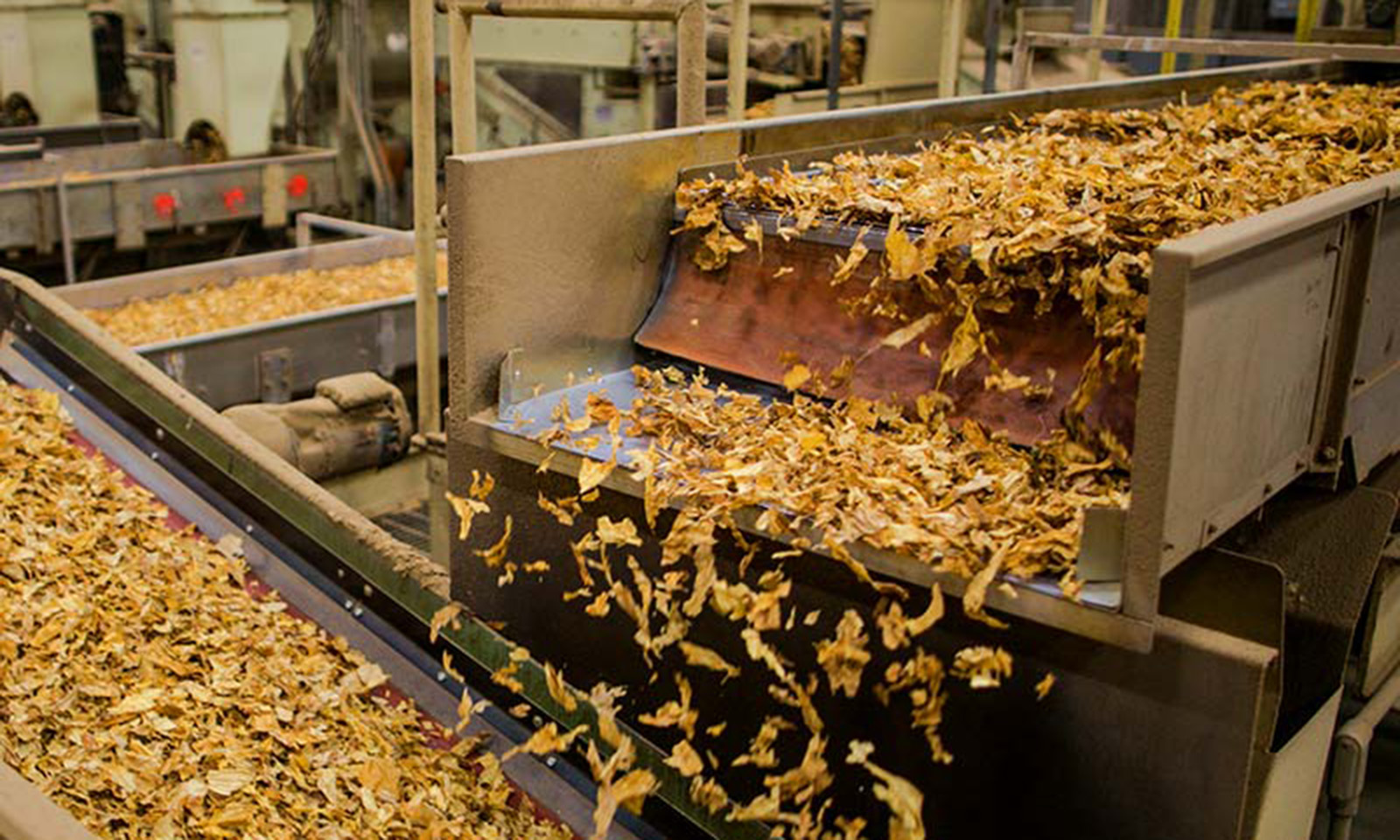
Doris Mpala
Agriculture Correspondent
FARMERS have called for investment in tobacco processing and beneficiation so they can participate in the entire value chain and boost earnings from the crop.
The bulk of the tobacco is exported in raw or semi-processed state and farmers are not benefiting from the whole value chain.
Zimbabwe Tobacco Growers Association president, Mr George Seremwe, said local beneficiation of tobacco could strengthen the relationship between production, processing and the prices received by farmers.
“It is important that farmers do not remain at the production stage of the tobacco value chain. Farmers should be encouraged to participate in processing and beneficiation other than simply producing tobacco and selling the leaf,” he said.
Mr Seremwe said this would require greater encouragement from Government, the private sector and farmers themselves.
“I think for that we need better encouragement from the Government side and all stakeholders and farmers to get organised and put our funds together to be able to do some beneficiation among ourselves.
“Farmers can organise themselves and contribute funds towards owning a share in tobacco processing plants. This will allow farmers to participate in the value chain beyond growing and selling the crop,” he said.
Mr Seremwe argued that farmer-owned processing facilities could allow farmers to retain a greater share of the profits generated further along the tobacco value chain.
“Currently all the processing plants are owned by private players and their profit margins are quite high, so if we have our own, we will be eating into that as part of our profits as well,” he said.
He also proposed that farmers could collectively own some of the equipment required for tobacco processing.
According to Mr Seremwe, owning equipment could help farmers reduce production costs and improve their participation in the value chain.
He said the Government had an important role to play in making farmer participation in tobacco beneficiation possible.
He suggested that authorities could introduce incentives encouraging farmers to save and pool their resources for investment in processing. Mr Seremwe also linked beneficiation to the need to reduce the cost of producing tobacco.
He said farmers could collectively own equipment used in tobacco production and processing, which could reduce their reliance on privately owned facilities and potentially lower costs.
He argued that reducing production costs, combined with local processing and farmer participation in beneficiation, could make tobacco production more attractive to farmers.
“If we reduce the cost of production and processing is done locally and the value addition and the farmers participate in all that, that will encourage more farmers to produce,” he said.
Mr Seremwe said if Zimbabwe increased local processing while maintaining access to global markets, the country could benefit from increased demand and greater economic activity.
Tobacco is one of Zimbabwe’s major foreign currency earners.
The country has developed a strong tobacco-growing sector, with production reaching record levels in recent years.
This marketing season, farmers sold 358.9 million kilogrammes of tobacco, which is the highest in the history of the country. The major concern, however, has been that more than 90 percent of the tobacco is exported as raw leaf and semi-processed crop instead of finished goods.
The country has the potential to earn about US$15 billion from tobacco if the country exports finished products.
According to the Tobacco Industry and Marketing Board, progress has been made by the Government and the private sector towards promoting value addition of tobacco.
The target was to increase value addition and beneficiation of tobacco into cut rag and cigarettes from 2 to 30 percent by 2025, and to date 10.15 percent has been achieved.
More than 10 cigarette manufacturers are operating in the country with a combined production capacity of around 4.4 billion cigarette sticks per annum.
Zimbabwe is among the top five major producers of flue-cured tobacco globally, and the leaf is popular because of its flavour.